


What Is SEO? A Complete Beginner's Guide to Search Engine Optimization
By Josh Ternyak

March 29, 2026
SEO is the single most valuable long-term traffic channel available to any website — but most explanations make it sound more complicated than it is. This guide breaks down exactly what SEO is, how it works, and how to start.
The Traffic Channel That Keeps Paying After You Stop Working
Every business that operates online eventually confronts the same reality: you can build a beautiful website, write compelling content, and have a genuinely excellent product — and still get zero organic visitors if nobody can find you in Google. Traffic doesn't happen by default. You have to earn it.
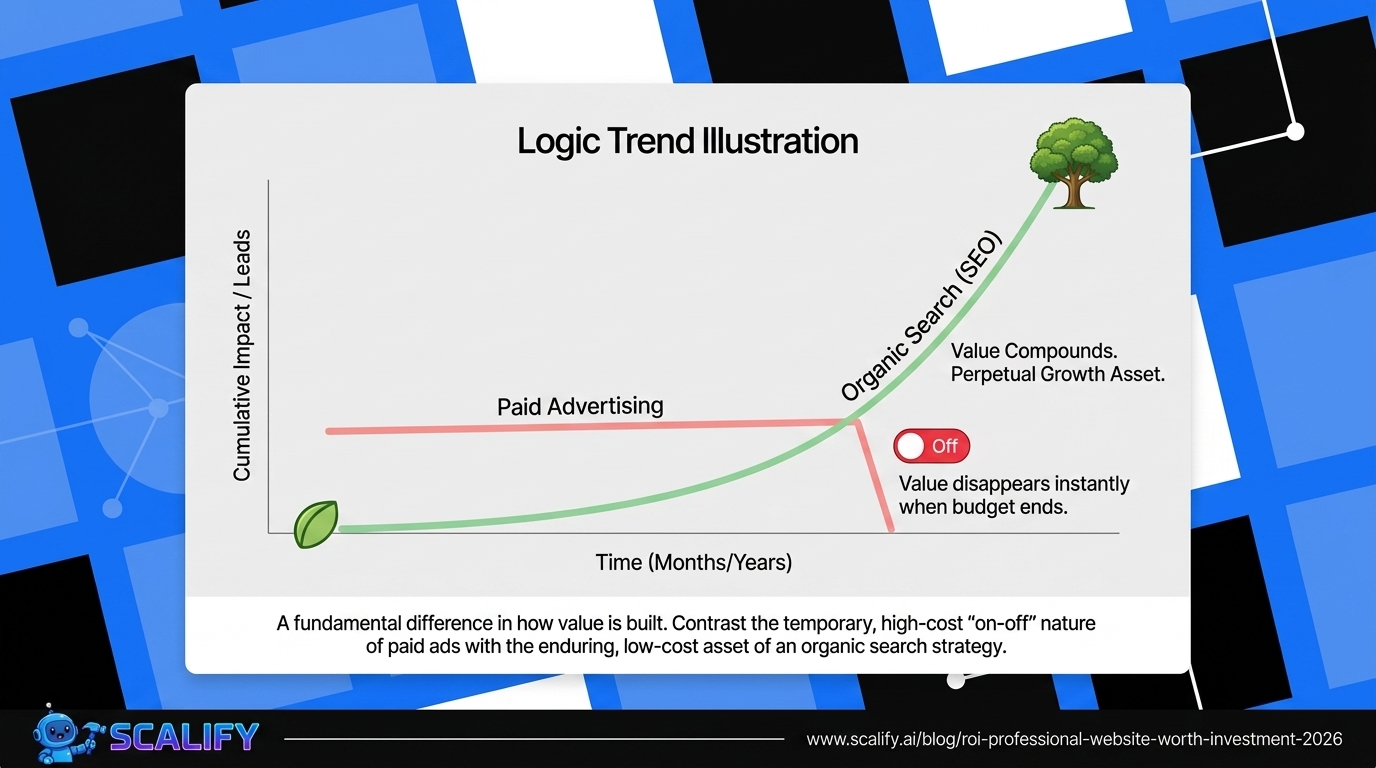
There are two broad ways to earn traffic from search engines: you pay for it (search ads, where you appear at the top of results for a fee every time someone clicks) or you optimize for it (SEO, where you work to appear organically in results without paying per click). Both have their place. But SEO has a quality that paid advertising doesn't: it compounds. A piece of content that ranks on page one of Google for a valuable query can generate thousands of visitors per month for years — long after the work that produced it is done.
This guide explains exactly what SEO is, how search engines work, why some pages rank and others don't, and what you can actually do to improve your site's visibility in search results.
What SEO Is
SEO stands for Search Engine Optimization. It's the practice of improving a website's visibility in search engine results — specifically organic (non-paid) results — by making the site more relevant, trustworthy, and accessible to search engines and their users.
The goal of SEO is to appear in Google (and other search engines, though Google holds roughly 92% of the global search market and is the primary focus for most SEO work) when people search for things related to your business, products, services, or areas of expertise. The higher you appear in results, and the more relevant queries you appear for, the more organic traffic your site receives.
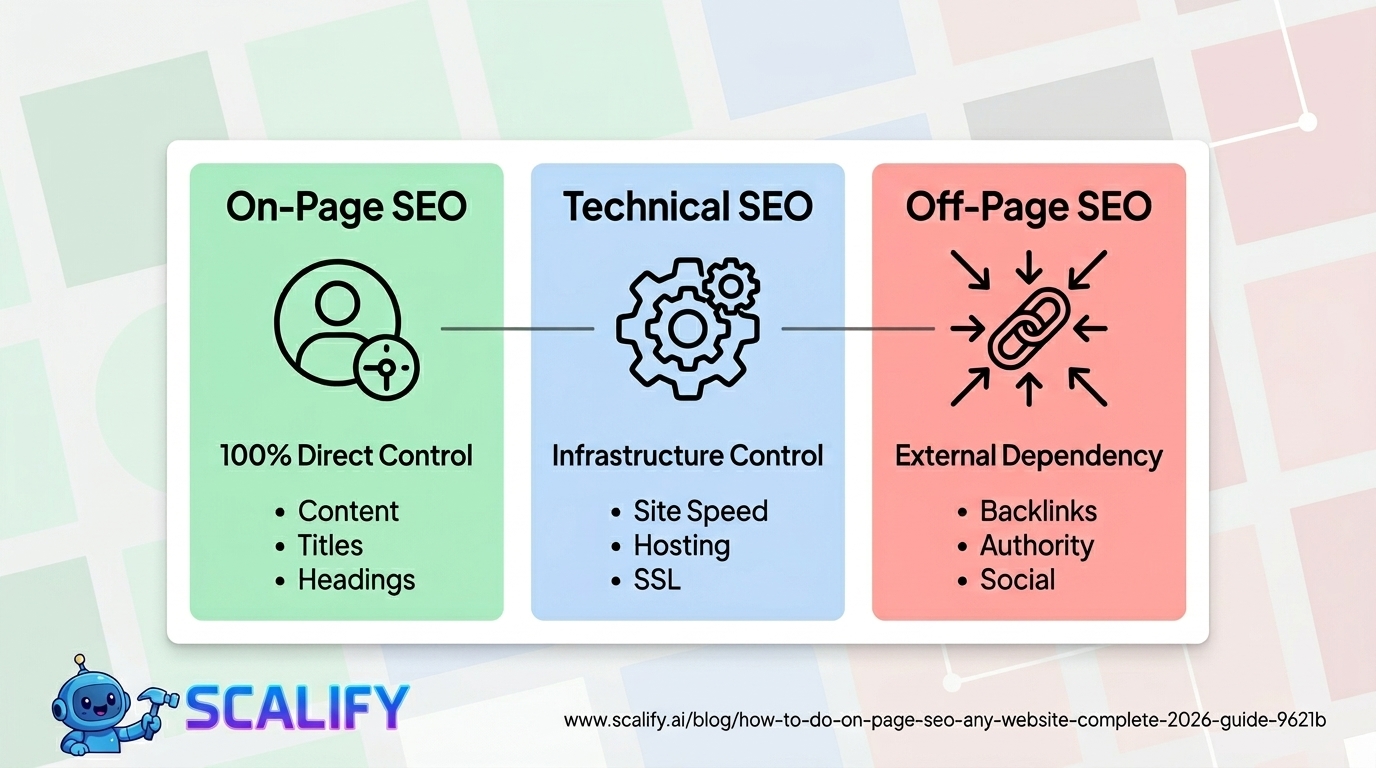
SEO is not a single activity — it's a discipline that spans technical work (making sure search engines can access and understand your site), content work (creating the pages and articles that rank for relevant queries), and authority building (earning signals that tell Google your site is trustworthy and worth recommending to searchers).
How Search Engines Work
To understand SEO, you need to understand what search engines are actually doing when they decide which pages to show for a given query.
Search engines operate in three phases:
Crawling
Search engines deploy automated programs called crawlers (or spiders or bots — Google's is called Googlebot) that systematically browse the web by following links from page to page. When Googlebot visits a page, it reads the HTML, follows the links on that page, queues those URLs for future crawling, and adds the page's content to its database.
Crawling is how Google discovers new pages. A page that no other page links to — an orphaned page — may never be discovered by Googlebot unless you submit it directly through Google Search Console. A page that's blocked by your robots.txt file won't be crawled at all. Understanding crawling helps you ensure Google can actually find all your important content.
Indexing
After crawling a page, Google processes and stores its content in the Google index — a massive database of the web's content. Not every crawled page gets indexed. Google makes quality judgments: is this page unique? Does it offer value? Is the content thin or duplicated from elsewhere? Pages deemed low quality may be crawled but not indexed — they simply don't appear in search results at all.
You can check which of your pages Google has indexed through Google Search Console. The Coverage report shows indexed pages, excluded pages, and errors. Understanding indexing helps you diagnose why pages that should appear in Google search results aren't showing up.
Ranking
When someone searches, Google retrieves relevant pages from its index and ranks them in order of expected usefulness to the searcher. This ranking process applies hundreds of signals and factors, evaluated by algorithms that have been refined over decades of engineering. The core question Google is trying to answer: given this specific query from this specific person, which page would best satisfy their intent?
The highest-ranking page for any query isn't just the page that mentions the query terms most frequently. It's the page that Google believes — based on all available signals — will best answer the question, solve the problem, or provide the information the searcher is looking for.
The Three Pillars of SEO
SEO is commonly described through three interconnected categories, each addressing a different dimension of what Google evaluates:
Technical SEO
Technical SEO ensures that search engines can find, crawl, index, and understand your website. It's the foundation that everything else builds on — a technically broken site can't rank regardless of how good its content is.
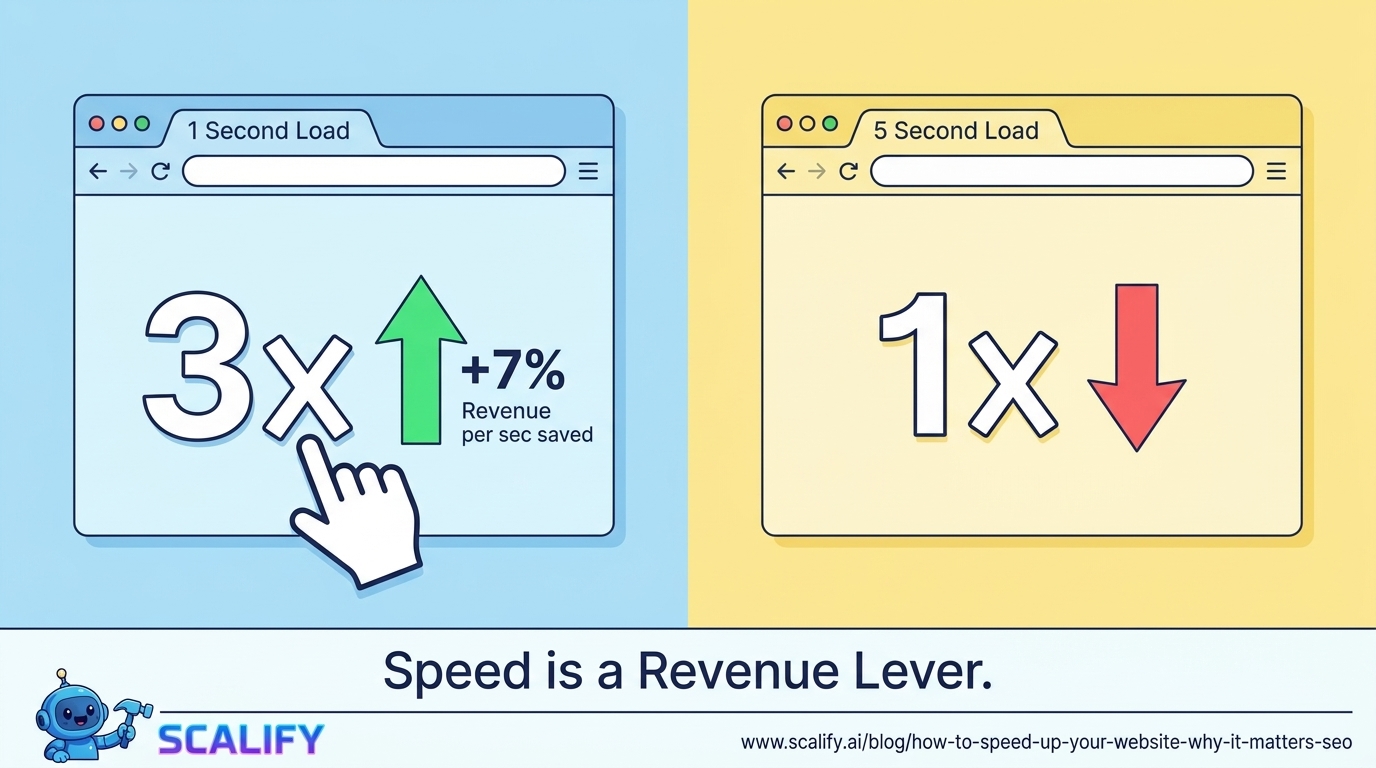
Technical SEO includes: ensuring your pages load quickly (page speed is a ranking factor), making your site mobile-friendly (Google uses mobile-first indexing), implementing HTTPS security, creating and submitting a sitemap, using proper canonical tags to avoid duplicate content issues, structuring internal links effectively, using structured data markup for rich results, and ensuring your robots.txt file isn't accidentally blocking important pages.
Technical SEO issues aren't usually what prevents a site from ranking — they're usually what prevents an already-good site from ranking as well as it should. Think of technical SEO as removing obstacles rather than building advantages.
On-Page SEO
On-page SEO is the optimization of individual pages — the content, structure, and HTML elements that tell Google what a page is about and signal its quality and relevance to specific queries.
The most important on-page elements:
Title tags: The most heavily weighted on-page SEO element. Appears in browser tabs and search result headlines. Should include the primary keyword for the page, be unique, and be compelling enough that searchers want to click it. Keep it under 60 characters.
Meta descriptions: Not a direct ranking factor, but influences click-through rate from search results. A compelling meta description that accurately summarizes the page and includes relevant keywords (which Google bolds in results matching the search) can significantly increase the percentage of searchers who click your result. Keep it under 160 characters.
H1 tag: The main heading of the page. Should clearly describe what the page is about, typically including the primary keyword. One H1 per page.
Content quality and depth: Pages that comprehensively address a topic — covering it in more depth, from more angles, with more specific and useful information than competing pages — tend to rank better. Google's ranking algorithms have become increasingly sophisticated at evaluating content quality. Thin, vague content that barely addresses the searcher's actual need ranks poorly; comprehensive, specific, genuinely useful content ranks well.
Keyword use: Your page needs to use the terms and related concepts that searchers use when looking for the topic you're covering. This doesn't mean keyword stuffing (repeating keywords unnaturally until the copy reads badly) — it means writing naturally about the topic using the vocabulary real people use when discussing and searching for it.
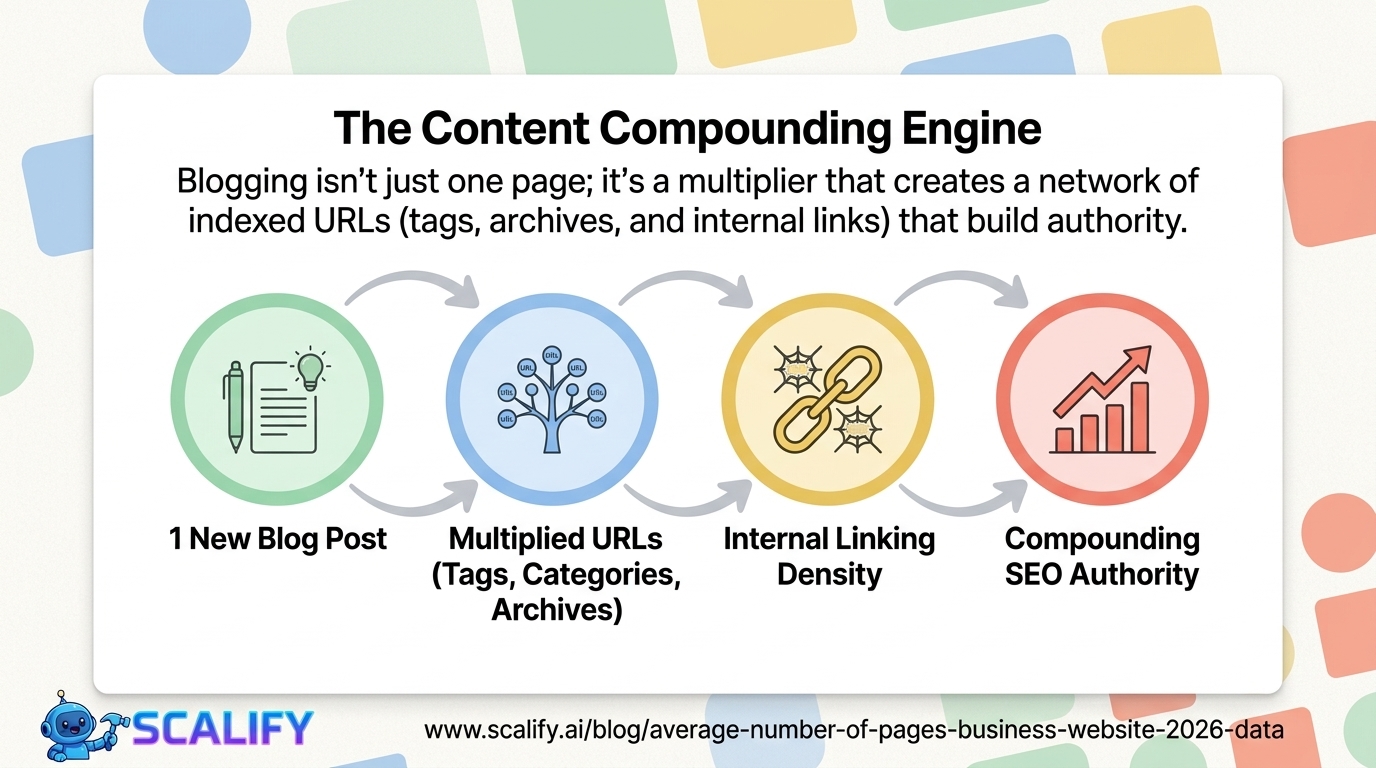
Internal linking: Linking from one page on your site to other relevant pages passes link equity between pages, helps Google understand your site's content hierarchy, and helps visitors find related content.
Off-Page SEO (Link Building)
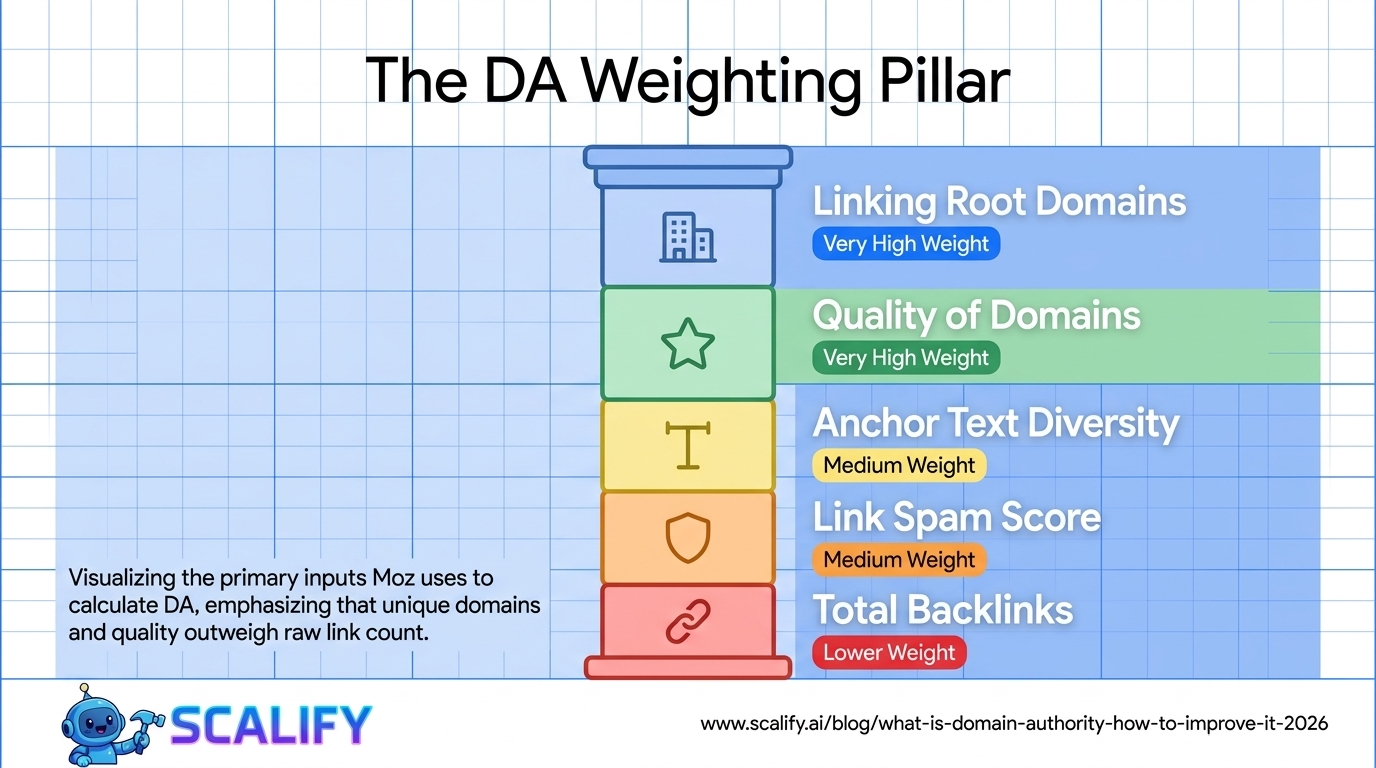
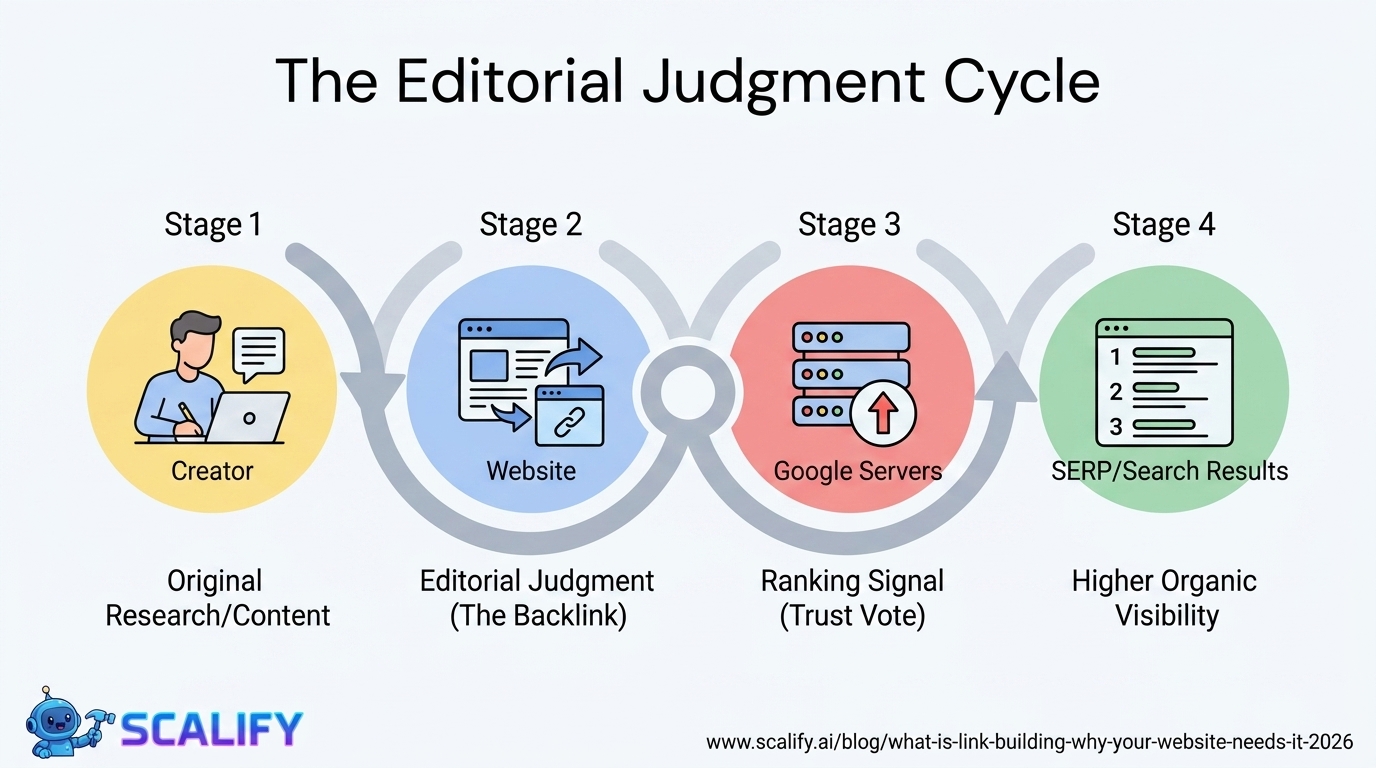
Off-page SEO primarily refers to link building — the process of earning links from other websites to yours. When other sites link to your pages, Google interprets those links as votes of confidence: signals that other people on the web find your content valuable enough to reference.
Not all links are equal. A link from a highly authoritative, relevant website in your industry is worth dramatically more than a link from a low-quality, unrelated site. Google's PageRank algorithm (the foundational concept behind Google search, named after Larry Page) essentially treats each link as a vote and weights those votes by the authority and relevance of the linking site.
Building links ethically — by creating content worth linking to, earning mentions from relevant publications, and developing relationships in your industry — is genuinely hard and time-consuming. It's also the factor with the most direct correlation to ranking improvements for competitive queries. Pages that rank #1 for valuable keywords almost always have significantly more and higher-quality links than pages ranking lower.
Keyword Research: The Foundation of Any SEO Strategy
Keyword research is the process of identifying the search terms and phrases your target audience uses when looking for what you offer. It's the starting point of every effective SEO effort.
Good keyword research answers three questions about any potential keyword:
Search volume: How many people search for this term per month? A keyword with 50 monthly searches might not be worth targeting on its own, but might be part of a cluster of related terms that collectively represent significant opportunity. A keyword with 10,000 monthly searches is worth substantial effort if the competitive landscape allows it.
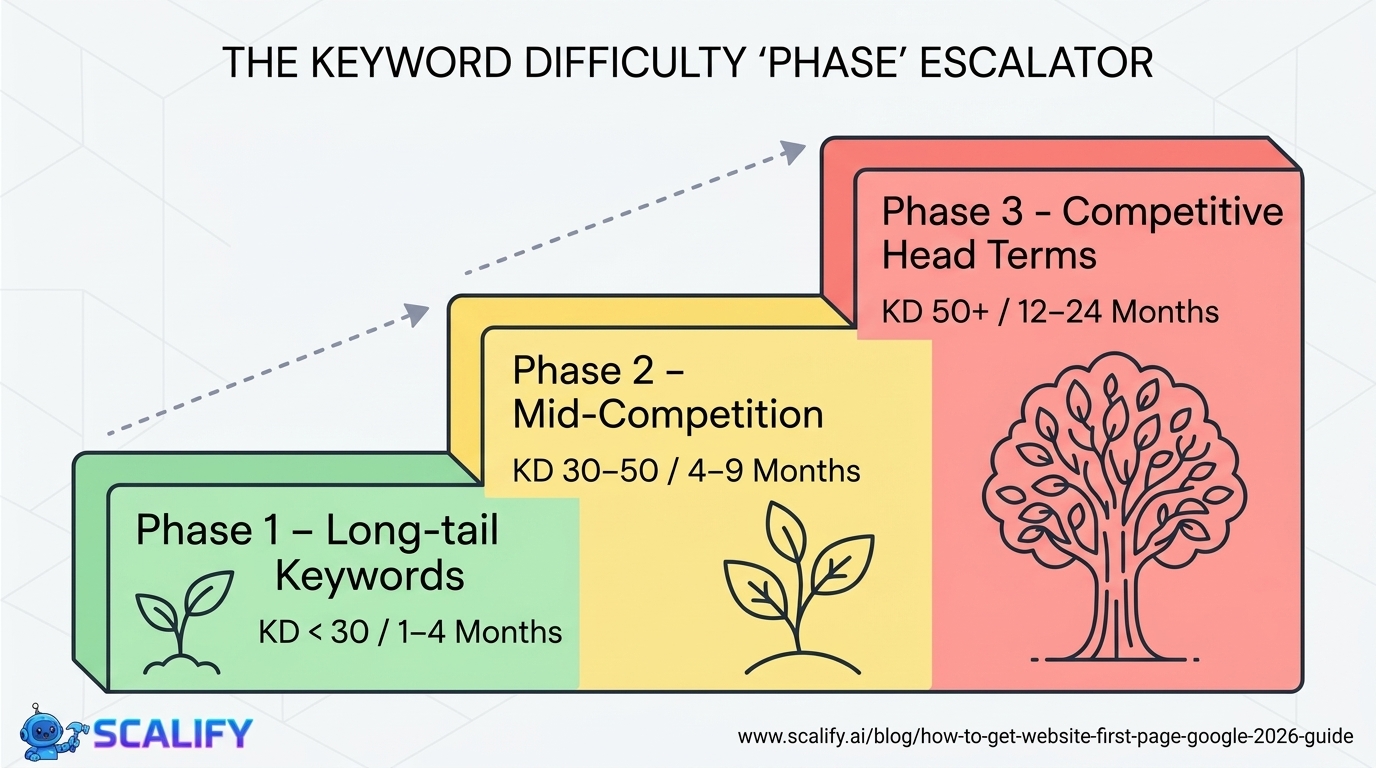
Keyword difficulty: How hard would it be to rank for this term? Determined primarily by the authority and quality of the pages currently ranking for it. A keyword dominated by WebMD, Mayo Clinic, and NIH is practically impossible to rank for as a new health information site. A keyword where the top results are mediocre small business sites represents a real opportunity.
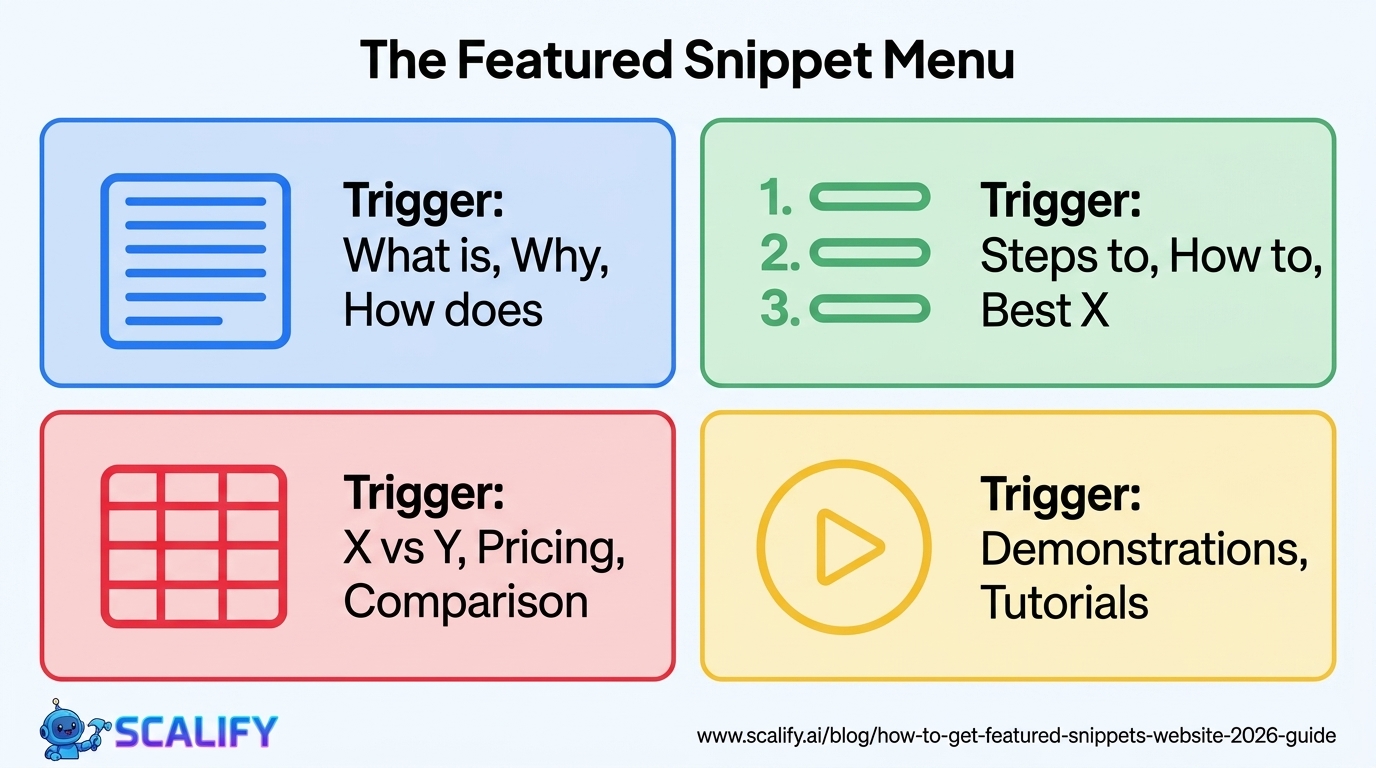
Search intent: What are searchers actually trying to accomplish when they use this term? Informational intent (I want to learn something), navigational intent (I want to find a specific site), commercial intent (I'm researching options before buying), transactional intent (I want to buy something now). The content you need to create and the page type that will rank depends entirely on the intent behind the query.
Tools for keyword research: Google Search Console (shows what you're already appearing for), Ahrefs (comprehensive paid tool with search volumes, difficulty scores, and competitor analysis), Semrush (similar to Ahrefs), and Google Keyword Planner (free, originally designed for Google Ads but useful for SEO research). For initial research on a budget, free tools like Ubersuggest, Keywords Everywhere, or simply Google Autocomplete suggestions provide a solid starting point.
Search Intent: The Most Important SEO Concept You're Probably Ignoring
Of all the factors in SEO, search intent is the most frequently misunderstood and the most critical to get right. Creating excellent content optimized for the wrong intent will not rank — Google is remarkably good at identifying what type of content satisfies a given query and ranking that type above others regardless of other quality signals.
The four main intent categories:
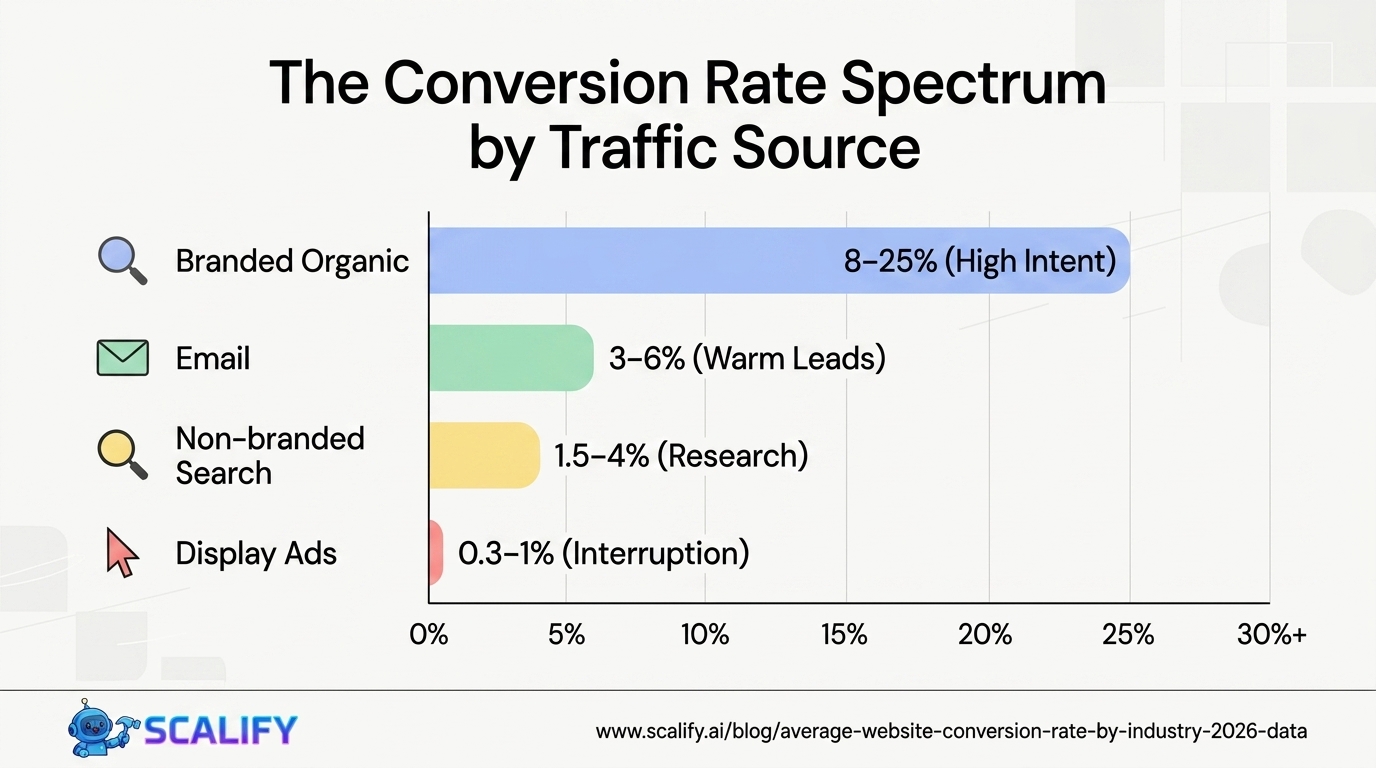
Informational: The searcher wants information. "What is SEO?" "How do I bake sourdough bread?" "Why is my car making a clicking noise?" These queries are best served by blog posts, guides, explainers, and educational content. They're excellent for building topical authority and capturing top-of-funnel visitors — people who are learning and researching, not yet ready to buy.
Navigational: The searcher is trying to reach a specific site. "Scalify AI website builder," "Facebook login," "Chase bank online banking." These queries are dominated by the brand being searched — you can't realistically rank above Nike for the query "Nike" if you're not Nike. Focus your SEO efforts on non-navigational queries.
Commercial investigation: The searcher is researching before making a decision. "Best web design services," "Webflow vs WordPress," "Shopify alternatives." These queries want comparison and evaluation content — reviews, comparisons, roundups, "best of" lists. They represent searchers who are close to a decision and represent high-value traffic.
Transactional: The searcher wants to take an action — usually buy. "Buy web design services," "custom website pricing," "order website online." These queries want product/service pages, not blog posts. A blog post optimized for a transactional keyword will almost never rank because Google knows the searcher wants to buy, not read.
To identify intent: Google the query yourself and look at what's currently ranking. If the top results are all blog posts, that's an informational query and you need a blog post. If the top results are all product pages, it's transactional. If the top results are all comparison articles, it's commercial investigation. Google has already figured out the intent from user behavior — match what's already ranking rather than trying to rank a different content type.
Local SEO: Dominating Search in Your Geographic Area
For businesses that serve specific geographic areas — local service businesses, brick-and-mortar stores, practices, and agencies focused on specific markets — local SEO is a distinct and highly valuable discipline.
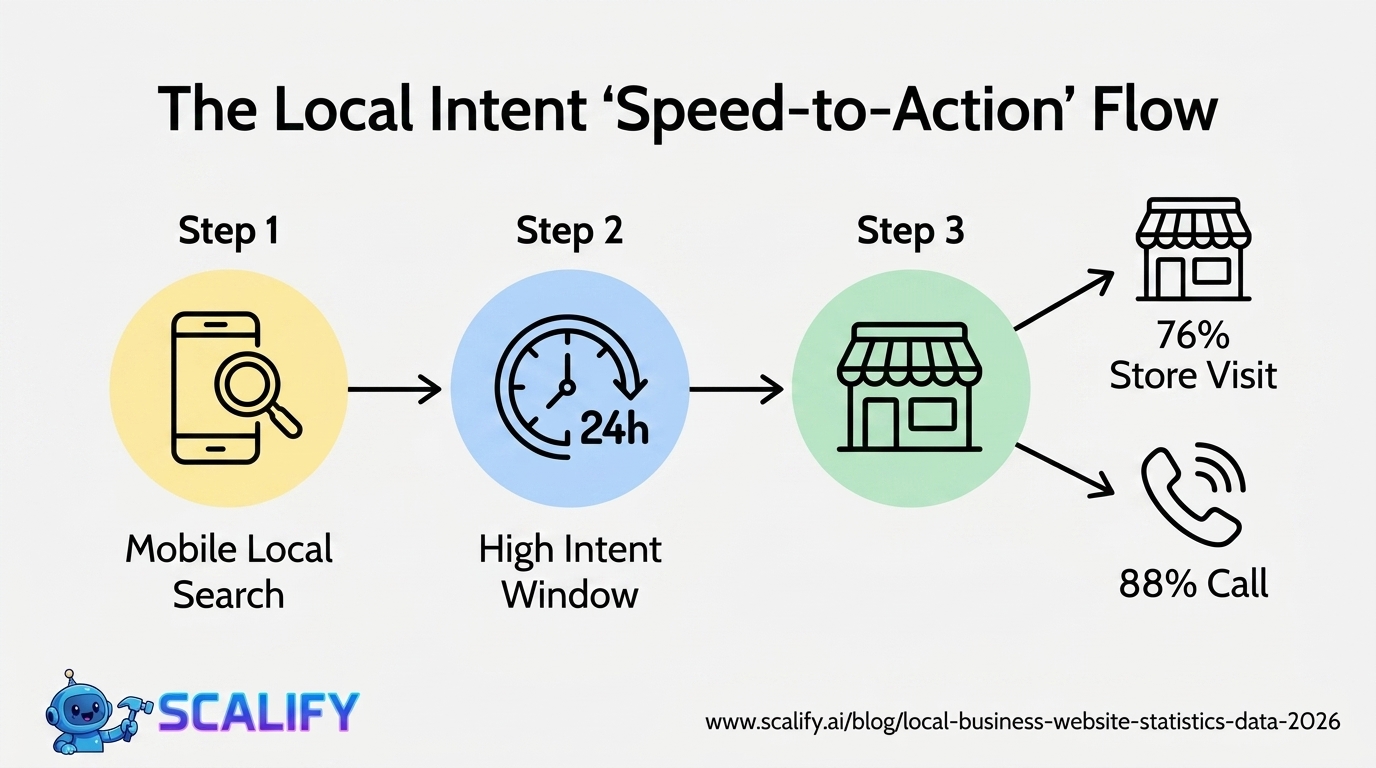
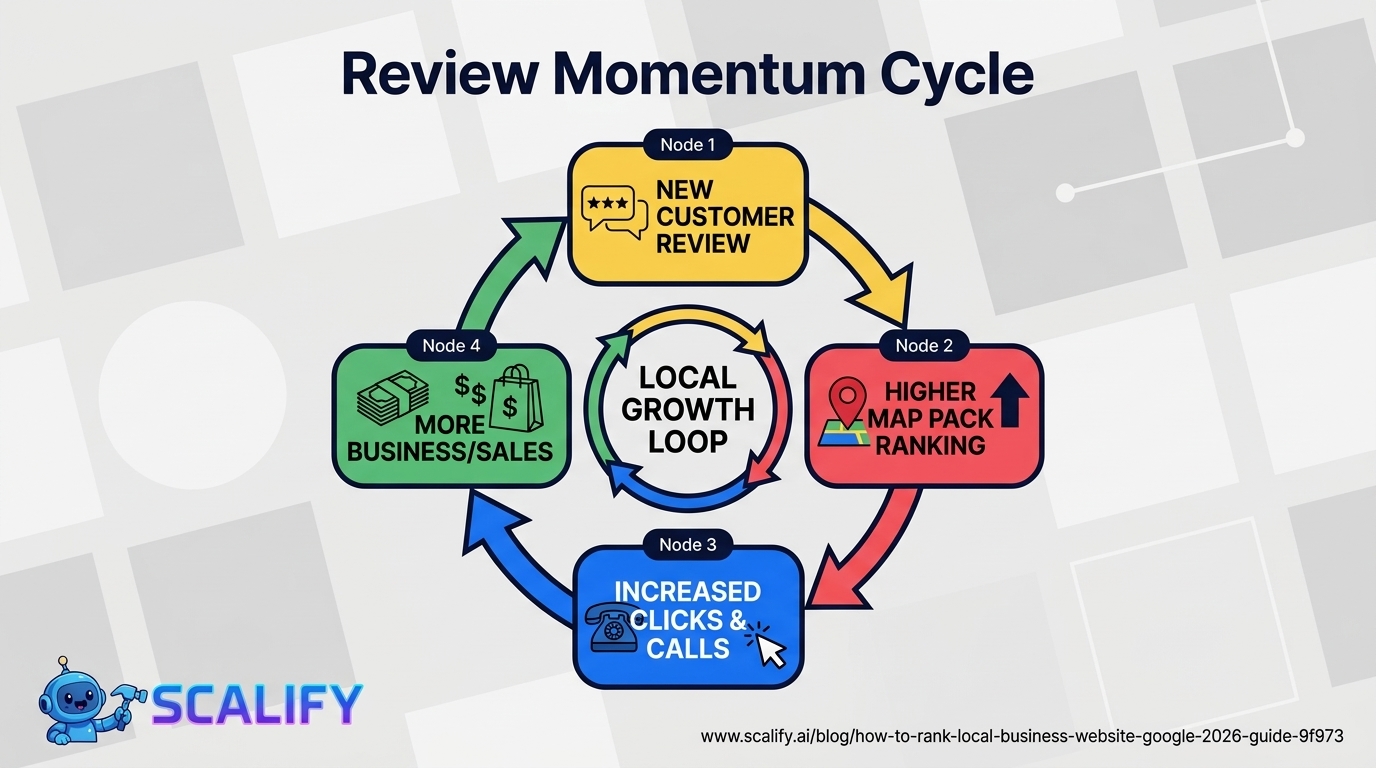
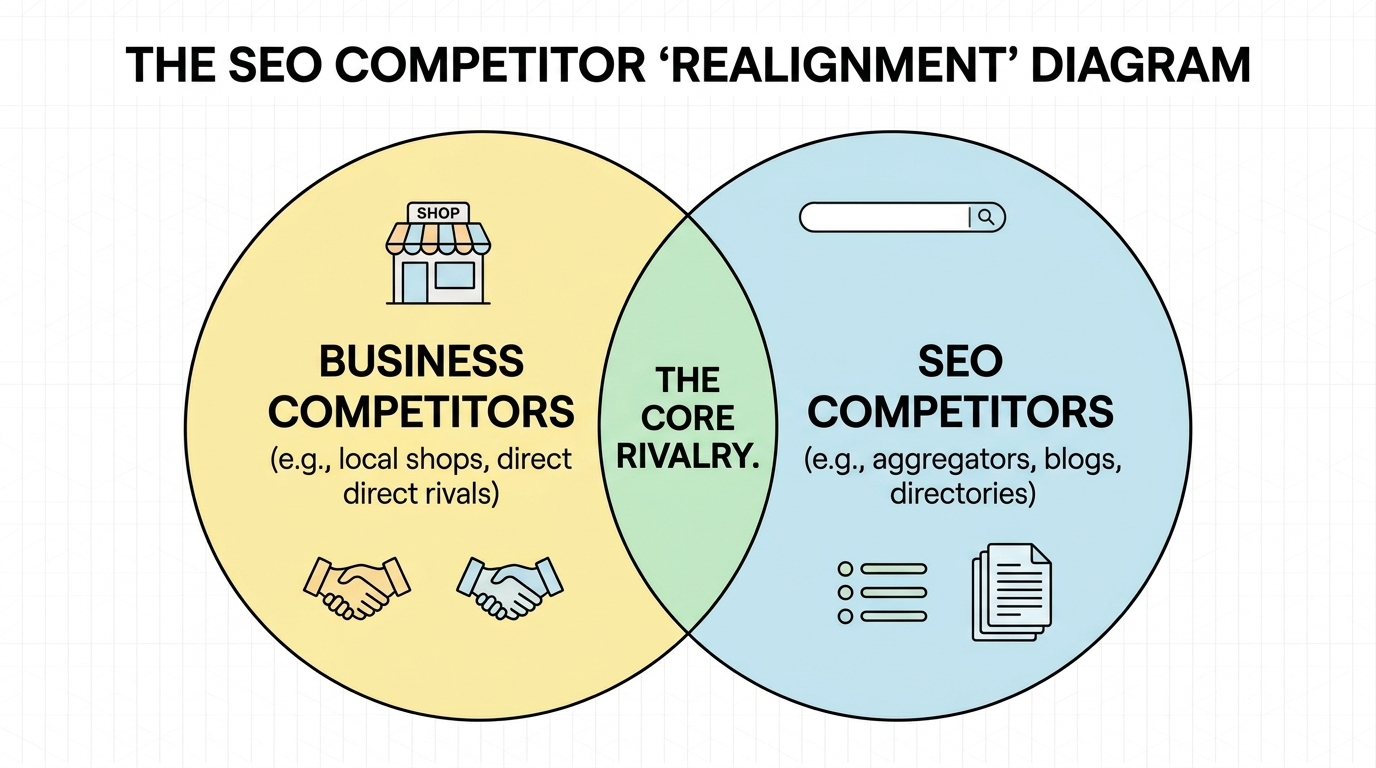
Local SEO focuses on appearing in Google's local results: the map pack (the three business listings that appear with a map for local queries like "web design Miami" or "coffee shop near me") and localized organic results below it.
Key local SEO factors:
Google Business Profile (formerly Google My Business): Claiming, completing, and actively managing your Google Business Profile is the single highest-impact action for local SEO. Ensure your name, address, phone number, category, hours, and website are accurate. Add photos. Collect reviews. Respond to reviews. Post updates. A fully optimized Google Business Profile dramatically increases your chance of appearing in the local map pack.
NAP consistency: Name, Address, Phone number — these three data points need to be consistent everywhere they appear online: your website, Google Business Profile, Yelp, Yellow Pages, Facebook, industry directories. Inconsistencies confuse Google about your business's identity and location and can suppress local rankings.
Local citations: Mentions of your business's NAP on relevant directories. More citations from authoritative sources (Yelp, BBB, industry associations, local chambers of commerce) strengthen your local authority.
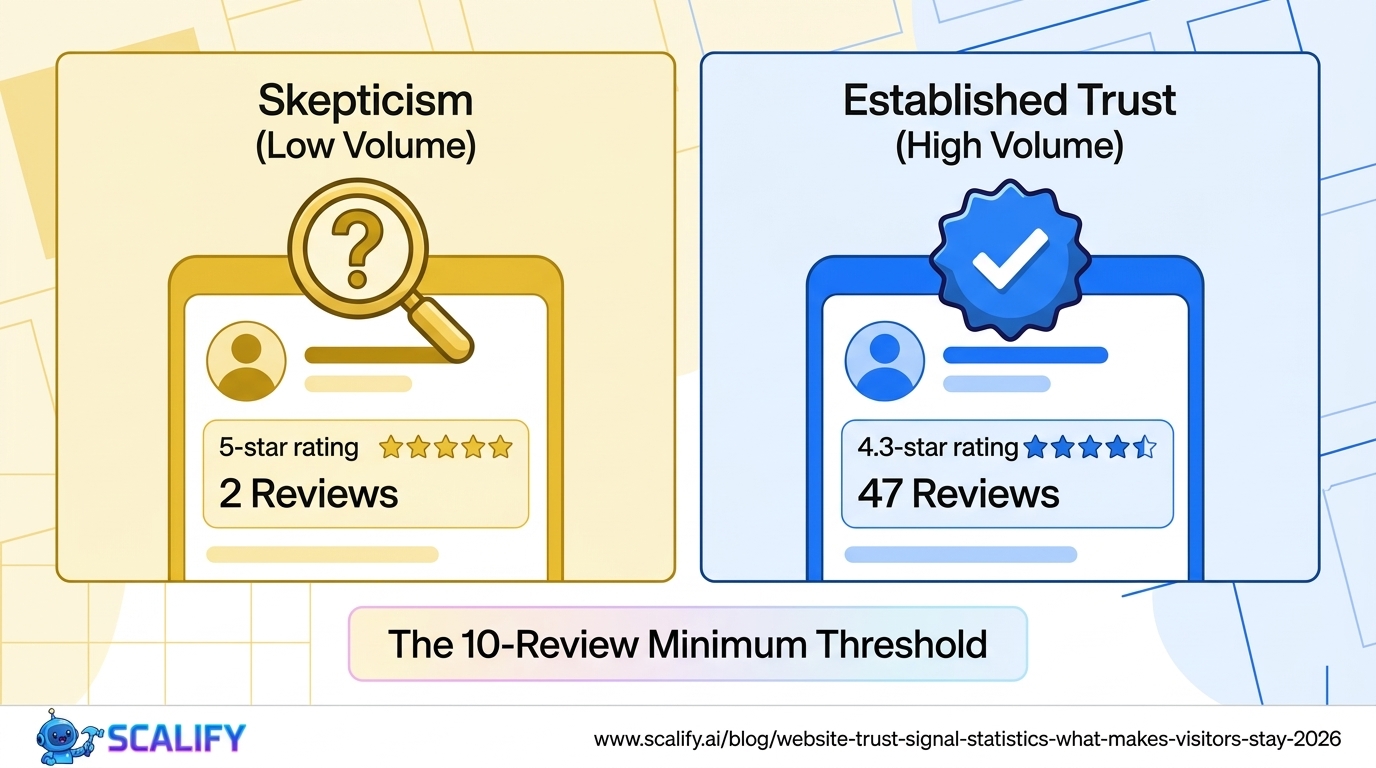
Reviews: The volume and average rating of your Google reviews is a significant local ranking factor and an enormous conversion factor for visitors who find you. A business with 200 reviews averaging 4.8 stars attracts dramatically more clicks than one with 10 reviews averaging 3.5. Actively asking satisfied customers to leave reviews is one of the highest-ROI marketing activities for local businesses.
Content Strategy: Building Topical Authority
Modern SEO is as much about topical authority as it is about individual page optimization. Google tries to identify which sites are genuinely authoritative on specific topics and rank those sites above generalists for queries in that topic area.
Building topical authority means systematically covering a topic area — not just writing one blog post about web design, but publishing comprehensive content across the full range of questions, subtopics, and related topics that someone interested in web design might search for. When your site covers a topic thoroughly from multiple angles, Google recognizes you as a topical authority and begins ranking you more readily for queries in that topic area, including for new content you publish.
The content cluster model is the strategic framework: a "pillar" page covers a broad topic comprehensively (like "What Is SEO"), supported by "cluster" pages that cover specific subtopics in depth (keyword research, link building, technical SEO, local SEO). Internal links between pillar and cluster pages signal the relationship between content and reinforce your topical authority.
How Long Does SEO Take?
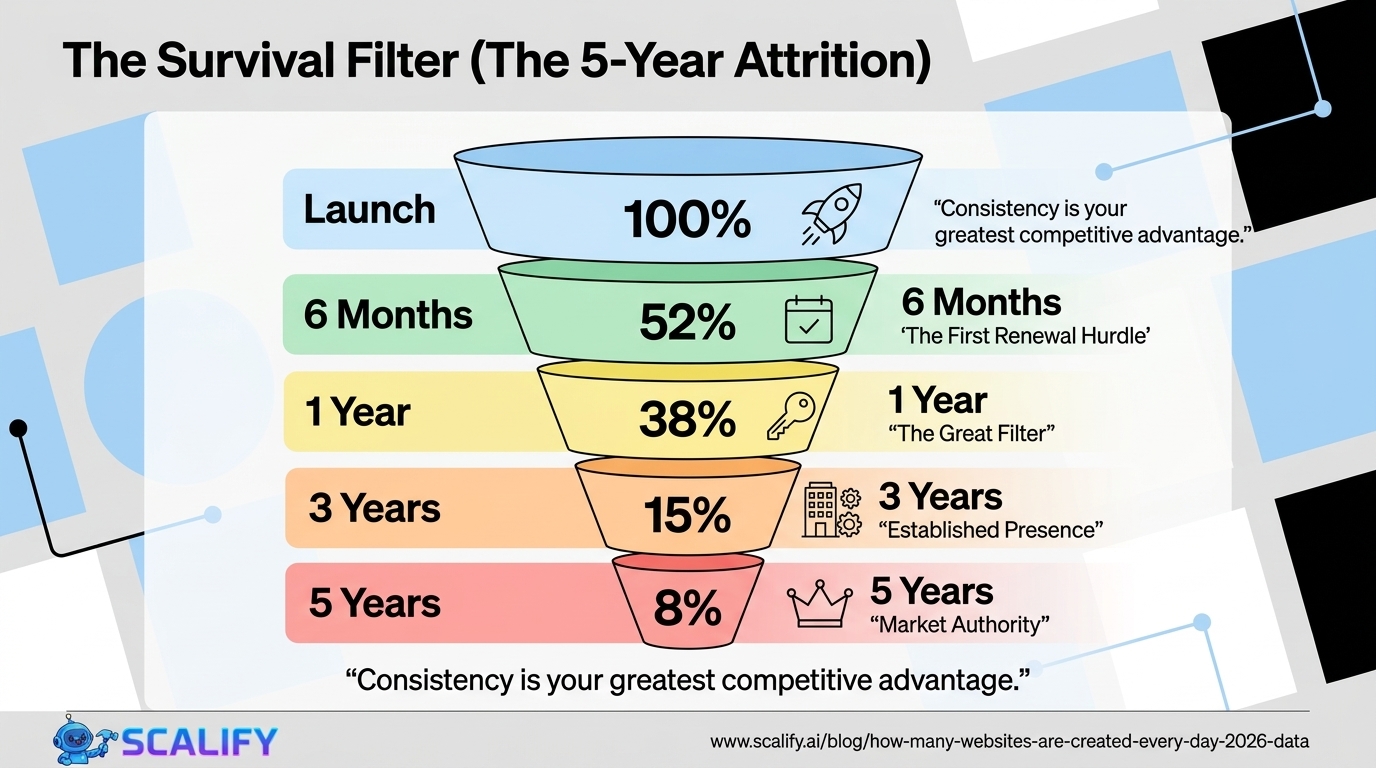
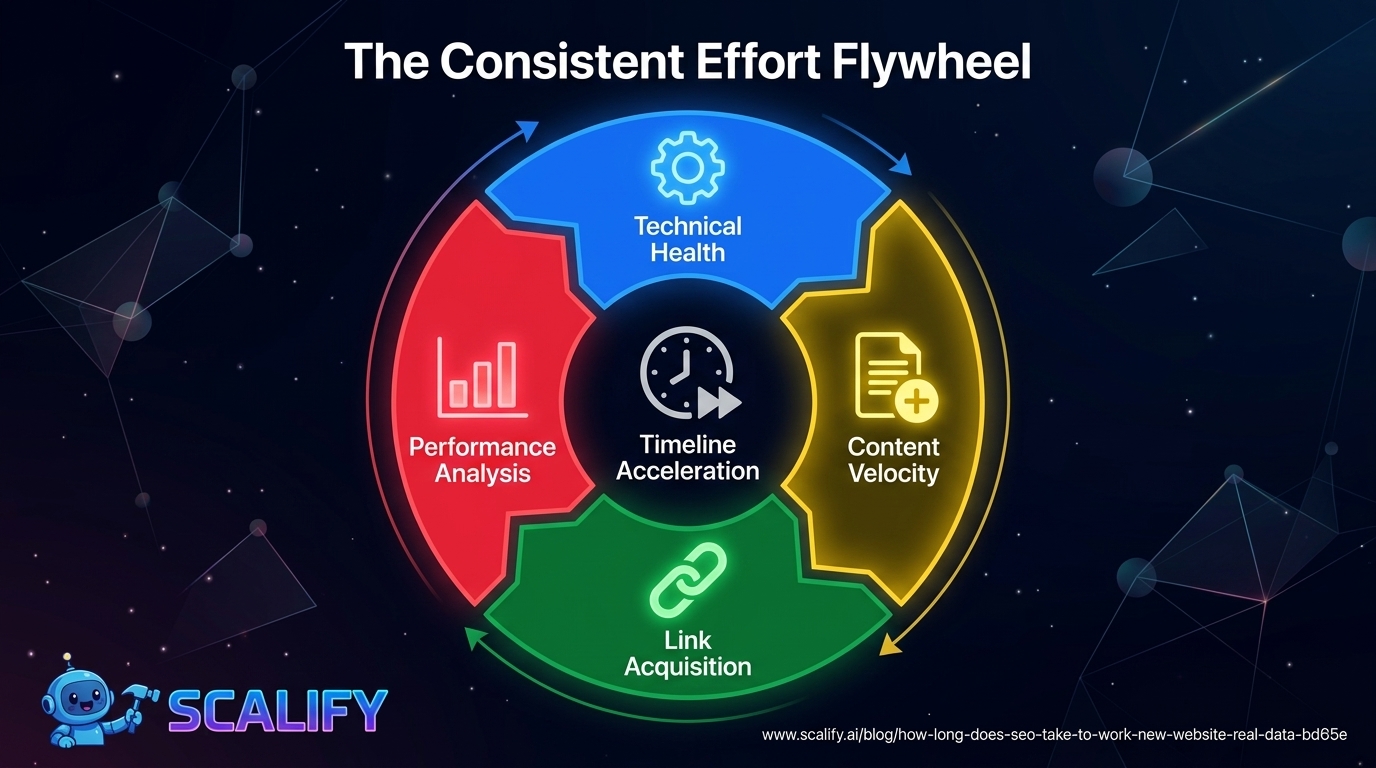
This is the most common question about SEO and deserves an honest answer: typically 3–6 months to see meaningful results from a new SEO effort, and 6–12 months to see substantial organic traffic growth.
The timeline varies by: the competitiveness of your target keywords, the current authority of your domain, the quality and frequency of content you're publishing, and whether you're investing in link building alongside content.
New domains with no history, targeting competitive keywords in established industries, facing competitors who have been investing in SEO for years — these take the longest. Established domains with existing authority, targeting less competitive niche queries — these can see results in weeks rather than months.
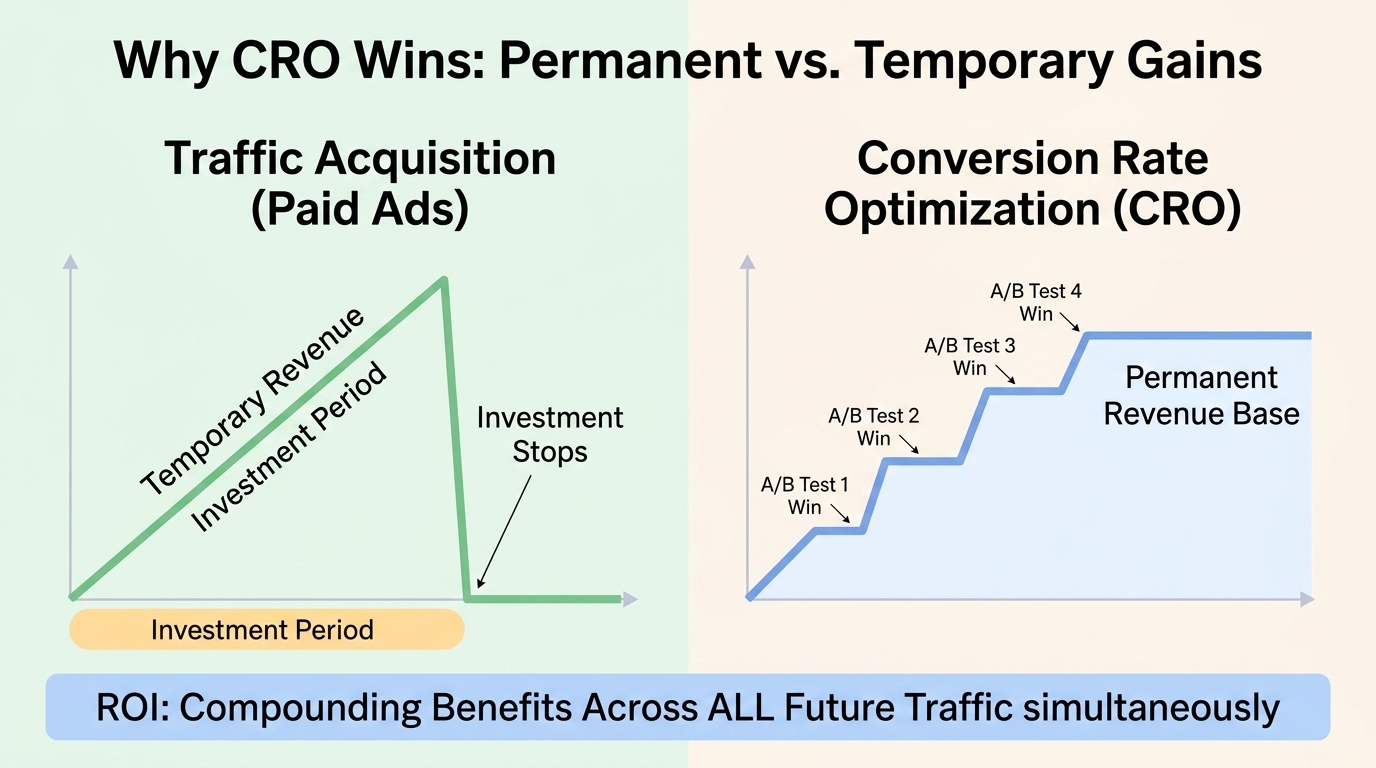
The compounding nature of SEO is why the timeline is worth accepting. An article that starts ranking on page two for a 500-monthly-search keyword in month three might move to page one by month six as it earns links and Google better understands its quality. By month twelve, it might rank for 20 related queries and generate 1,000+ monthly visitors on its own. That same article continues generating traffic indefinitely, without additional investment.
What SEO Is NOT
Misconceptions about SEO abound. A few worth explicitly clearing up:
SEO is not tricking Google. Black-hat SEO tactics — keyword stuffing, buying links from link farms, cloaking content, creating pages purely for crawlers rather than users — worked in earlier search algorithm eras. Google's algorithms have become sophisticated enough that these tactics now reliably produce penalties rather than rankings. Sustainable SEO is about genuinely deserving to rank, not gaming the system.
SEO is not just about keywords. Keywords are important but Google's understanding of content has moved far beyond simple keyword matching. RankBrain (Google's machine learning ranking component) and BERT (Google's language model) allow Google to understand semantic meaning, context, and query intent rather than just matching keywords. Write for humans; use keywords naturally as part of that writing.
SEO is not a one-time project. You don't optimize a site and then stop. Competitors are publishing new content. Google's algorithms update. Search trends shift. Maintaining and improving rankings requires ongoing content creation, monitoring, and adjustment.
SEO is not guaranteed. Nobody can guarantee specific rankings — any agency that does is either lying or planning to use tactics that will eventually produce penalties. What responsible SEO practitioners can promise is a methodical process of improvement that predictably increases organic visibility over time.
The Bottom Line
SEO is the practice of improving your website's visibility in organic search results by making it more relevant, trustworthy, and accessible to search engines and their users. It operates through three interconnected disciplines: technical SEO (the foundation), on-page SEO (content and structure), and off-page SEO (authority building through links). Success requires understanding search intent, conducting keyword research, creating content that genuinely deserves to rank, and building authority consistently over time.
The investment in SEO is justified by one fundamental fact: a page that ranks on page one of Google for a valuable query can generate compounding returns for years. No other marketing channel delivers this combination of targeted, high-intent traffic at zero marginal cost per click after the initial investment.
Every website built by Scalify is SEO-ready from launch — proper technical foundation, clean structure, fast performance, all the basics that make content able to rank from day one.


.jpeg)
.jpeg)

78 SW 7th St, Miami, FL 33130