


What Is UX Design and Why It Matters for Your Website
By Josh Ternyak

March 29, 2026
UX design is the discipline behind whether your website is a pleasure or a frustration to use. This guide explains what UX actually means, the principles behind it, and how to tell if your site's UX is costing you conversions.
The Difference Between a Site That Works and One That Converts
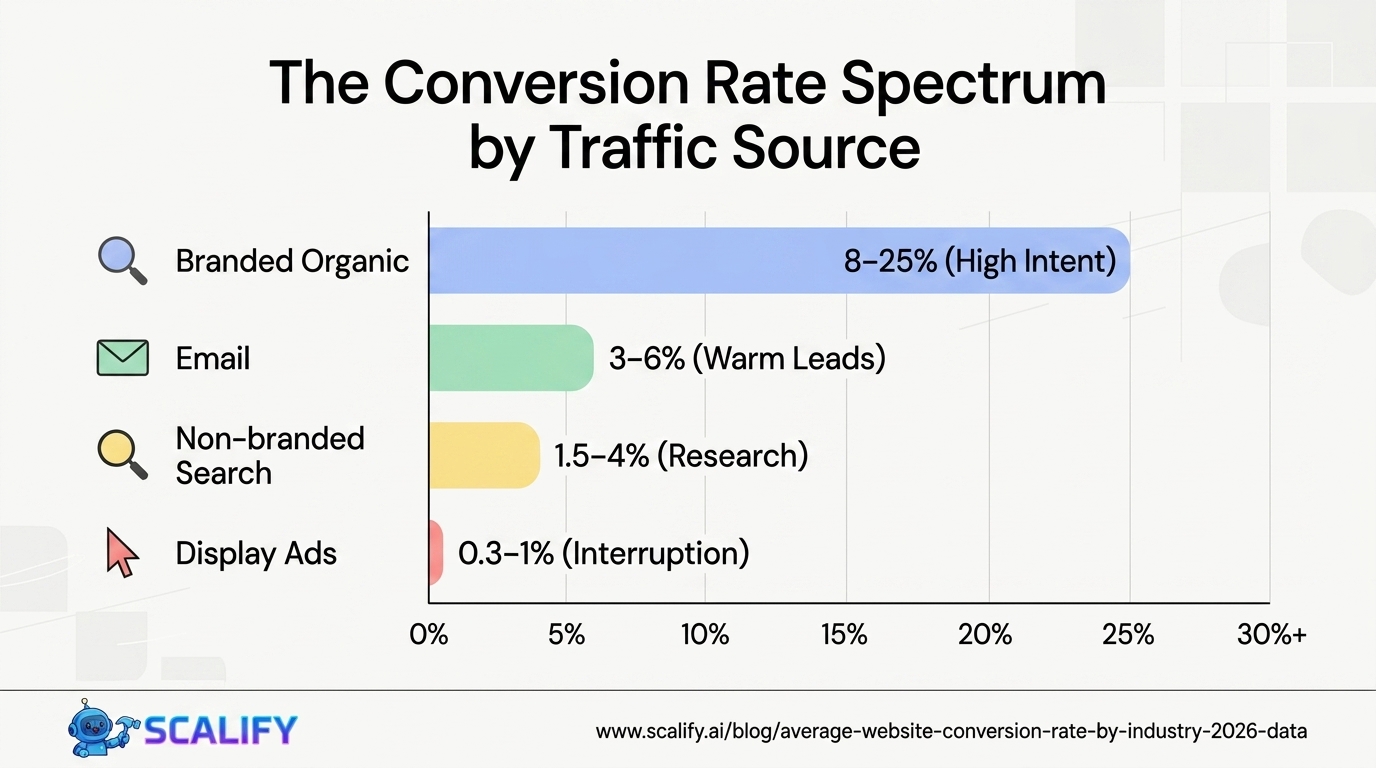
Two websites. Both describe similar services. Both look professional. Both load at similar speeds. One consistently converts visitors into leads at 5%. The other converts at 1%. You look at them side by side and the difference isn't obvious — they both look fine.
But dig into how users actually experience them — where they look, where they click, where they hesitate, where they give up — and the gap becomes clear. One was designed with a deep understanding of how visitors think, what they need, and how they make decisions. The other was designed to look good in a mockup review. The first is good UX. The second is what happens without it.
User Experience design — UX — is the discipline that bridges the gap between "looks good" and "actually works for the people using it." This guide explains what UX design is, the principles that drive good UX, what UX research and testing look like in practice, and how to diagnose UX problems on your current site.
What UX Design Actually Is
User Experience design is the practice of designing products and services — including websites — so that they provide meaningful, relevant, and effective experiences to users. It encompasses the entire interaction a person has with a product: how they find it, how they understand it, how they use it, how they feel during and after using it, and whether they accomplish what they came to do.
UX design is not the same as UI design (User Interface design), though the two are closely related and often confused. UI design is concerned with the visual elements of an interface: buttons, colors, typography, icons, layout. It's the look. UX design is concerned with the entire experience: how the site is organized, what information comes in what order, how users navigate from intention to outcome. It's how the site works and feels from the user's perspective.
Good UI without good UX is a beautiful interface that's confusing to use. Good UX without good UI is a logical structure with poor visual execution. The best websites have both — but if forced to choose, good UX with adequate UI consistently outperforms good UI with poor UX. Users forgive visual imperfection; they rarely forgive confusion.
The Five Layers of UX Design
Jesse James Garrett's model from "The Elements of User Experience" (2003) remains one of the most useful frameworks for understanding UX. He described five layers, from abstract to concrete:
Strategy: Why does this product exist? What do the users need from it? What does the business need from it? UX starts with articulating these goals and ensuring they're aligned — a website designed to maximize time-on-site conflicts with one designed to minimize friction to conversion, and that conflict needs to be resolved at the strategy layer before anything else is designed.
Scope: Given the strategy, what features and content does the site need? What's included and — critically — what's excluded? Scope decisions at this layer determine whether the site is focused and purposeful or sprawling and confusing. Feature bloat at the scope layer cascades into UX problems at every layer above it.
Structure: How is the content organized and what are the interaction design patterns? This is information architecture and interaction design — the site map, the navigation model, the way different sections relate to each other, the patterns used for recurring interactions (forms, filtering, error states).
Skeleton: The specific layout of each page — where elements appear, how much space they take, what the visual hierarchy is, what users see first and second and third. Wireframes typically live at this layer: rough representations of page layout without visual design applied.
Surface: The visual design — color, typography, imagery, animation. The surface is what users see; the layers below it are what determines whether what they see makes sense, communicates clearly, and supports what they need to do.
Most website projects start at the surface (what will it look like?) and work backward, discovering structural and strategic problems mid-build when they're expensive to fix. Good UX design starts at the strategy layer and works forward, making the surface layer dramatically more straightforward because the hard decisions have already been made.
Core UX Principles
Match the User's Mental Model
Users arrive at your site with existing expectations about how websites work — formed by every other website they've ever used. Navigation at the top or left. Logo top-left that links to the homepage. Cart icon top-right on e-commerce sites. Contact information in the footer. These are conventions so widely practiced that violating them requires active effort from users to adapt.
Good UX respects existing mental models — not because creativity is bad, but because requiring users to learn new interaction patterns creates friction that reduces conversion. "Don't make me think" — the title of Steve Krug's landmark usability book — captures this principle. Every moment a user has to think about how to interact with your site is a moment of friction. Reduce friction, increase conversion.
Progressive Disclosure
Don't show everything at once. Present the most important information first and reveal detail progressively as users signal interest through their actions. A homepage that leads with the core value proposition, then reveals supporting evidence for interested visitors, then provides detailed specifications for highly engaged prospects — this is progressive disclosure. Showing all three levels simultaneously creates overwhelm.
Progressive disclosure reduces cognitive load (the mental effort required to process information) and helps users move at their own pace toward conversion. It's why landing pages with "read more" sections, expandable FAQ accordions, and tabbed content perform well — users can access the depth they need without being buried in information they're not ready for.
Feedback and Response
Every user action should produce visible, immediate feedback. Clicking a button should show the button's pressed state, then a loading indicator, then the result. Submitting a form should acknowledge submission and set expectations for next steps. Hovering over a clickable element should indicate clickability.
When interfaces don't respond immediately to user actions, users don't know if the action registered. They click again (potentially submitting twice). They wait, uncertain. They assume something is broken. Feedback eliminates this uncertainty and builds confidence in the interaction. A button that changes color on hover and shows a loading spinner on click communicates "I received your input and I'm working on it" without a single word.
Error Prevention and Recovery
Good UX prevents errors where possible and enables graceful recovery where they're unavoidable. A form that validates email format before submission prevents the frustration of submitting and getting an error. A destructive action (deleting an account, canceling a subscription) that requires confirmation prevents accidental execution. Clear, specific error messages that tell users exactly what went wrong and how to fix it enable recovery from errors that do occur.
The worst form errors: "An error occurred" (what error? how do I fix it?), highlighting the error without explaining what's wrong, and clearing the form on error (requiring the user to re-enter all information). These failures turn a recoverable moment into abandonment.
Accessibility as UX
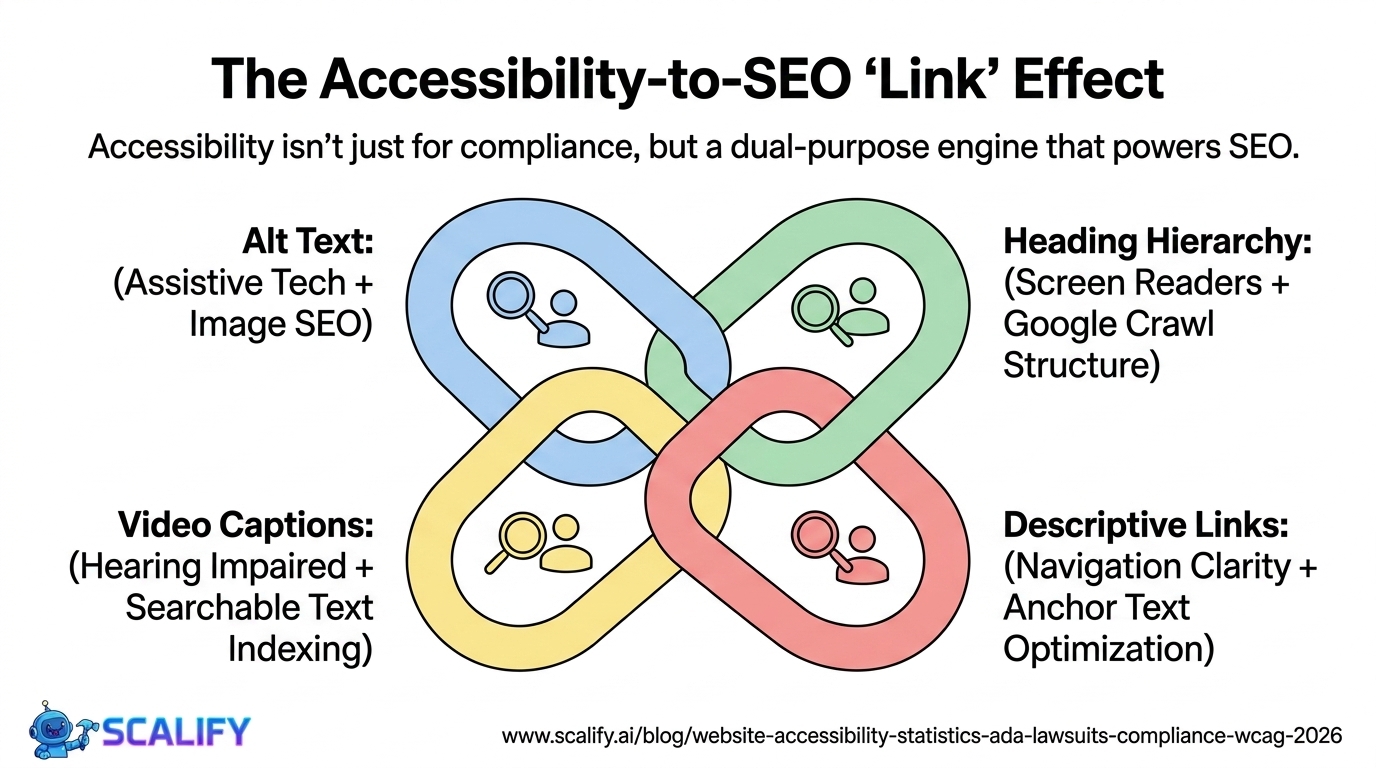
Accessibility and UX are deeply intertwined. The principles that make interfaces accessible — sufficient contrast, clear labels, keyboard navigability, logical heading hierarchy — also make them better experiences for everyone. Good UX is inherently accessible; accessibility is built on the same foundations as good UX.
UX Research: How You Find Out What Users Actually Need
UX design without research is assumption-driven design. Assumptions that haven't been tested against real user behavior produce confident-but-wrong design decisions. The most useful research methods for website UX:
User Testing / Usability Testing
Watching real people attempt to accomplish specific tasks on your website — without helping them, without explaining anything, without correcting them. What you observe tells you far more about where the UX fails than any amount of stakeholder discussion.
Classic usability testing with 5 participants reveals approximately 85% of the most significant usability problems (the remaining 15% typically require 8–10 users to surface). You don't need a large sample — you need real users and real tasks.
Moderated testing: you observe and can ask follow-up questions. Unmoderated testing: users record themselves completing tasks using a tool like UserTesting.com or Maze. Both are valuable; unmoderated scales better and produces more natural behavior (users behave differently when observed).
Heatmaps and Session Recordings
Tools like Hotjar, Microsoft Clarity (free), and Lucky Orange record where visitors click, how far they scroll, and individual session recordings of real visits. This data reveals patterns at scale:
Click maps show where users click — including clicks on non-clickable elements (indicating users expect something to be clickable that isn't). Scroll maps show how far users scroll — revealing content below the average scroll depth that visitors never see. Session recordings show exactly what individual users did, where they hesitated, and what caused them to leave.
A single afternoon watching session recordings of visitors on your key conversion pages typically reveals 5–10 UX problems you didn't know existed.
Analytics Analysis
Quantitative data from Google Analytics tells you what's happening at scale: where visitors drop off, which pages have high exit rates, how far users get through your funnel. It tells you that 70% of visitors leave the pricing page without clicking anything — but not why. Analytics identifies where to look; qualitative research (testing, recordings) explains what's going wrong and why.
Card Sorting
A research technique for information architecture decisions. Participants organize a set of content topics into groups that make sense to them, then name those groups. The resulting data reveals how your audience naturally categorizes information — which often differs from how the business organizes it internally. Card sorting is particularly valuable for navigation structure decisions.
Common UX Failures on Business Websites
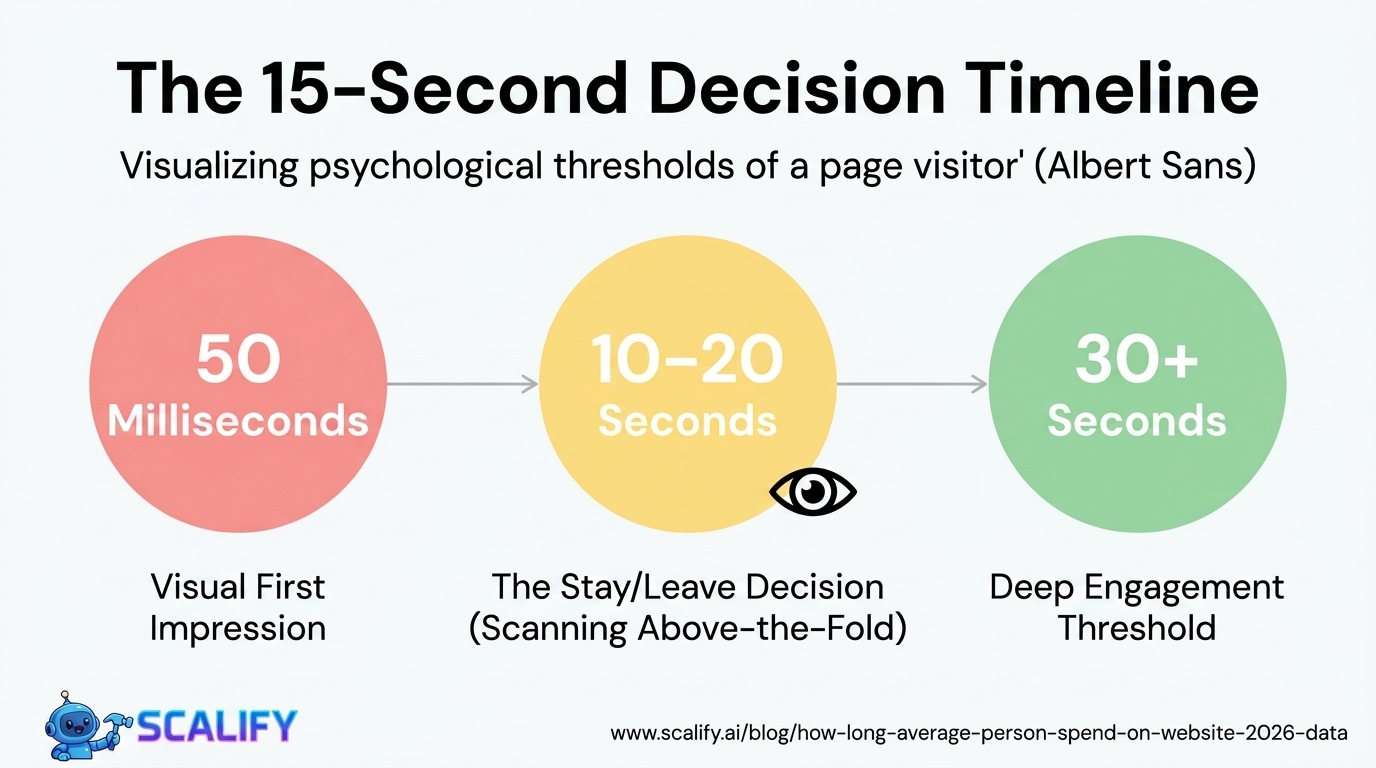
Unclear value proposition. Visitors don't understand what the business does or who it's for within the first few seconds. The headline is vague, the imagery is generic, the copy is about the company rather than the visitor's needs. Result: immediate bounce by visitors who haven't been given a reason to stay.
No clear next step. A visitor who has been persuaded by the content but can't find a clear, prominent CTA can't convert. CTAs buried below the fold, CTAs that look like links rather than buttons, multiple competing CTAs that create decision paralysis — all reduce conversion from interested visitors who intended to act.
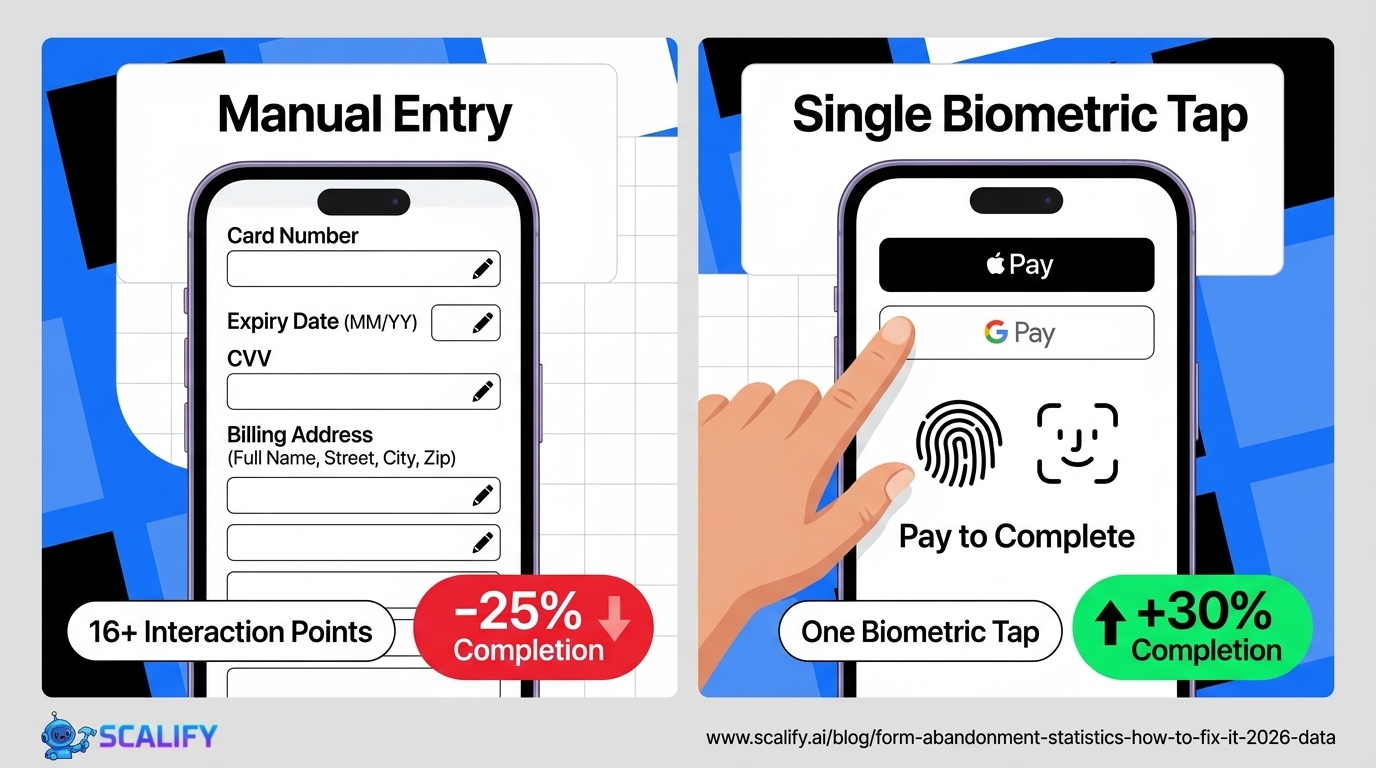
Friction in forms. Forms with too many fields, unclear labels, poor error handling, and no confirmation messaging create friction at the moment of conversion — the worst possible place for friction. Every unnecessary form field reduces completion rates.
Navigation that doesn't reflect user intent. Navigation organized around how the company is structured internally rather than how users think about what they're looking for. Users searching for "pricing" shouldn't have to navigate through "Our Approach" → "Partnership Options" → "Investment" to find it.
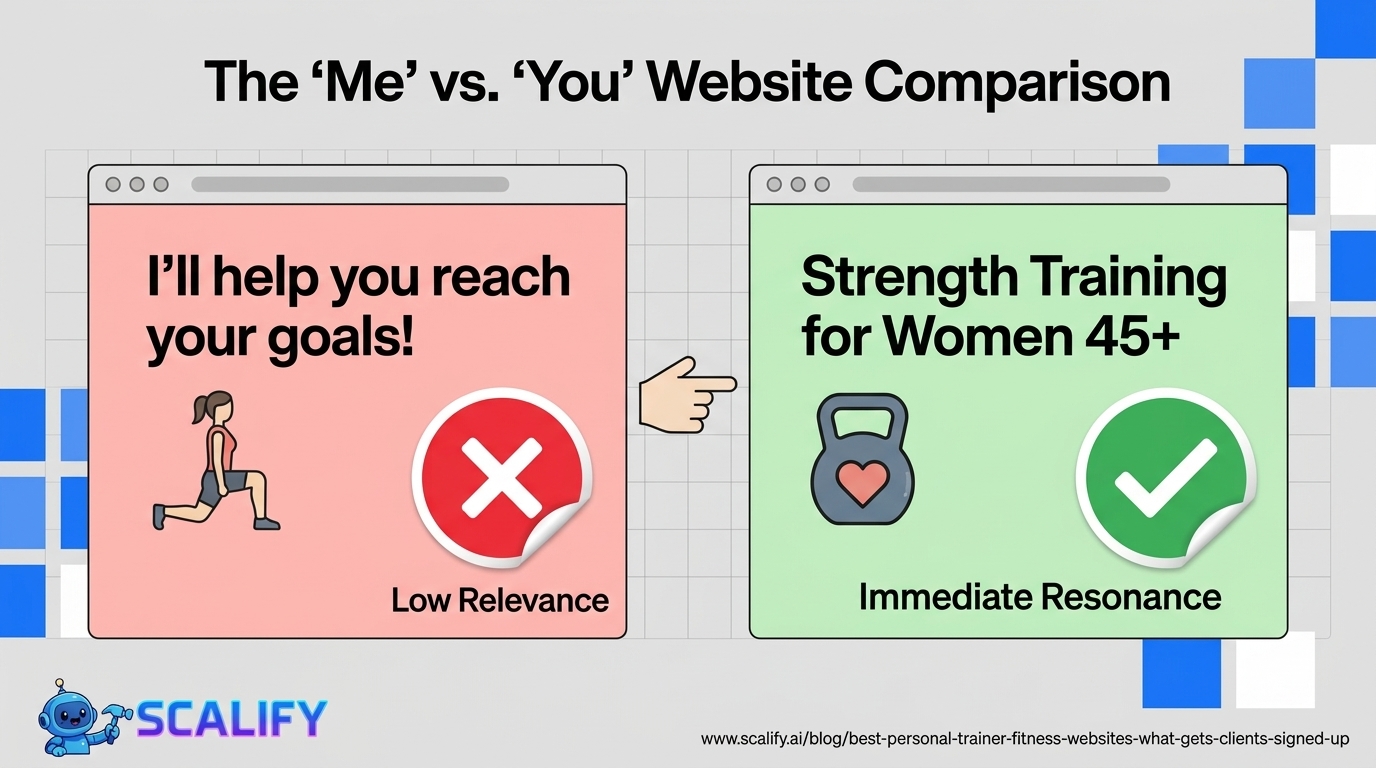
Content that talks about the company instead of the user. "We are committed to excellence in delivering innovative web solutions" addresses nothing the visitor actually cares about. "Custom websites that generate leads, built in 10 days" addresses the visitor's actual need and question.
Quick UX Audit for Your Current Site
Without any specialized tools, these five checks reveal the most significant UX gaps on most business websites:
The five-second test: Show a screenshot of your homepage to someone unfamiliar with your business for five seconds. Ask them: what does this company do? Who is it for? What should you do next? If they can't answer all three, your above-the-fold UX has a clarity problem.
The stranger test: Ask someone who doesn't know your business to find specific information on your site — your pricing, a specific service, how to contact you. Watch without helping. Where do they look first? Where do they get confused? Where do they give up?
Mobile walk-through: Load your site on your phone and try to complete your own conversion flow. Can you find the information a prospect would need? Can you submit the contact form comfortably? Is there anything that's confusing, missing, or broken?
Funnel analysis: In Google Analytics, set up a funnel from key entry pages → decision pages → conversion. Where's the biggest drop-off? That's your highest-priority UX problem to investigate.
Exit page analysis: Which pages have the highest exit rates? These are the places where visitors are deciding to leave. Understanding why — through session recordings, heatmaps, or usability testing — often reveals a single fixable problem responsible for significant conversion loss.
The Bottom Line
UX design is the discipline of building websites that actually work for the people using them — not just websites that look good to the people building them. The principles are consistent: match user expectations, reduce friction, provide feedback, prevent errors, prioritize progressive disclosure. The research methods are accessible: usability testing, heatmaps, analytics, and observation reveal more about your site's UX than any amount of internal review.
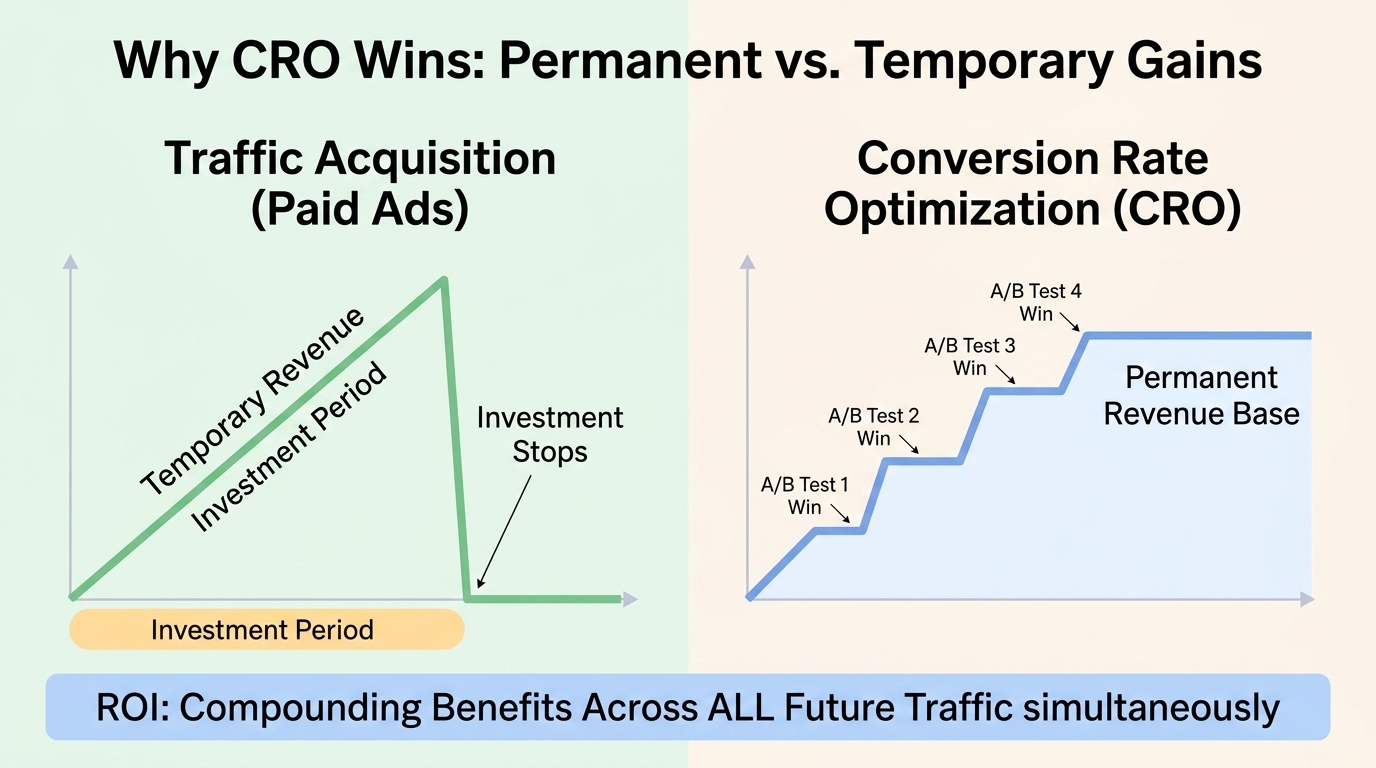
The business case is direct: better UX means more visitors accomplish the goal you designed for, which means more leads, more sales, more conversion from the traffic you're already generating. UX investment typically produces the clearest ROI of any website improvement because it converts existing traffic more effectively rather than requiring more traffic to generate more results.
At Scalify, UX thinking is embedded in how we design every site — not as an add-on phase, but as the foundation of every layout, content, and interaction decision we make.




.jpeg)
.jpeg)


78 SW 7th St, Miami, FL 33130