


What Is Web Design? A Complete Guide to Modern Web Design
By Josh Ternyak

March 29, 2026
Web design is more than making things look pretty — it's a discipline that combines visual design, psychology, UX, and technical execution to create websites that achieve real business goals. This is the complete guide.
The Discipline That Shapes How Billions of People Experience the Web
Every website you've ever visited was designed. Some of them were designed thoughtfully, with deep consideration for how people process information, what builds trust, and how visual hierarchy guides behavior. Others were designed by someone who primarily cared about how things looked, without much consideration for how they worked for the people using them. Most visitors can't articulate the difference consciously — they just know that some sites feel effortless to use and some feel like work.
Web design is the discipline that determines which category your website falls into. It's broader than most people realize — encompassing not just visual aesthetics but user experience, information architecture, interaction design, typography, color theory, accessibility, and the psychology of persuasion. A skilled web designer is part artist, part psychologist, part strategist, and part technical implementer.
This guide covers what web design actually is, the different components that make up the discipline, the principles that separate good web design from great web design, and how to evaluate whether a website is well-designed beyond just "does it look nice?"
What Web Design Is
Web design is the process of planning, conceptualizing, and creating the visual and functional elements of a website. It encompasses decisions about layout, typography, color, imagery, navigation, interaction patterns, and user experience — all oriented toward creating an interface that serves both user needs and business goals effectively.
Web design is distinct from web development, though the two are closely related and often performed by the same person. Web design is primarily concerned with how a website looks and functions from a user's perspective. Web development is primarily concerned with the technical implementation — the code that makes the design work in a browser. A designer creates the visual blueprint; a developer builds it. Many professionals do both, which is where the "full-stack" or "designer-developer" roles exist.
Modern web design has evolved significantly from its origins. The early web (1990s) produced mostly text-heavy pages with basic HTML formatting and minimal visual consideration. The 2000s introduced Flash-heavy, image-laden designs that were visually ambitious but often functionally poor. The 2010s brought responsive design (designing for multiple screen sizes), user-centered design methods, and increasing sophistication in conversion optimization. Today's web design operates in a context where performance, accessibility, mobile experience, and conversion effectiveness are as important as aesthetics.
The Components of Web Design
Visual Design
Visual design is what most people think of when they think "web design" — the aesthetic layer that determines what a website looks like. It includes:
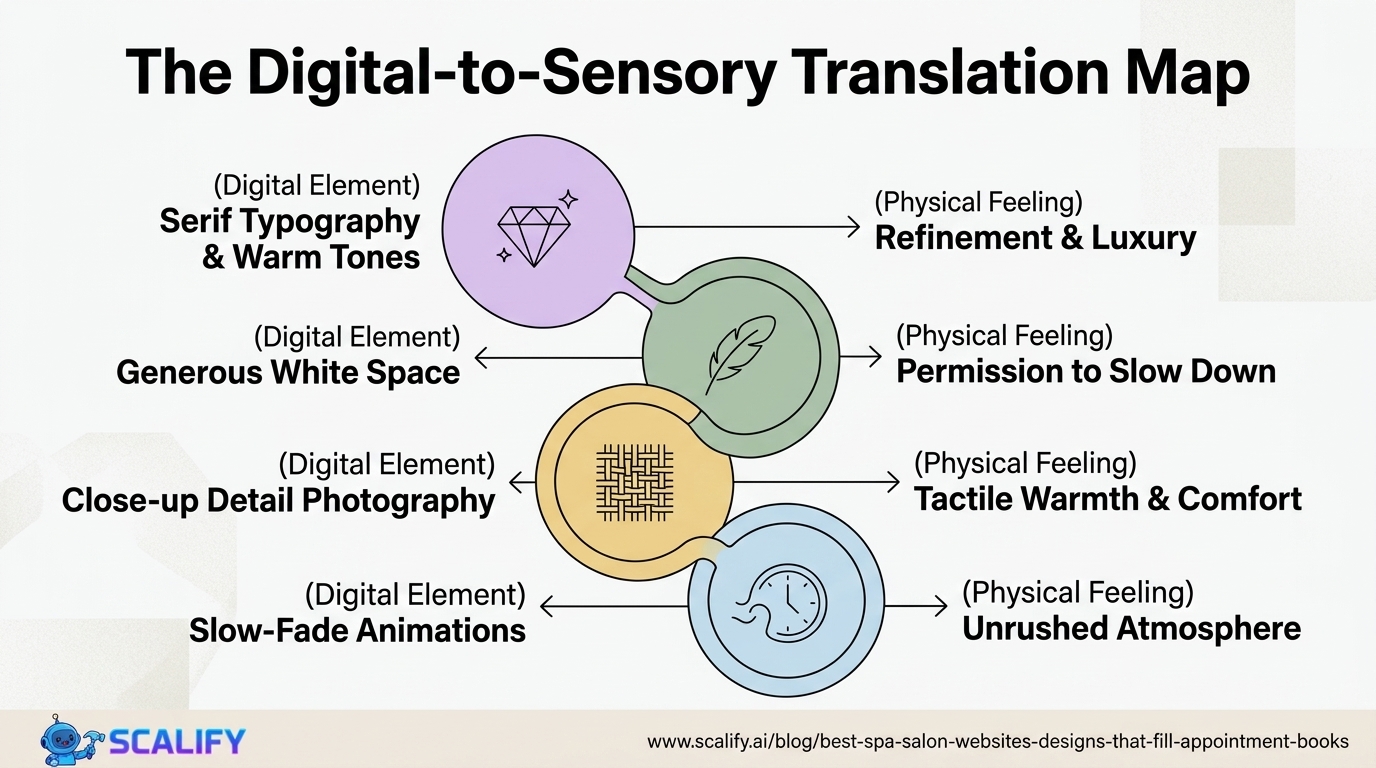
Color: Color is one of the most powerful tools in a designer's arsenal. It creates mood and emotional association (blue conveys trust and professionalism, red conveys urgency and energy, green conveys growth and calm), establishes visual hierarchy (a bright button color draws the eye to CTAs), communicates brand identity, and affects readability through contrast. Color decisions are never arbitrary in good design — they're deliberate choices aligned with brand values and user psychology.
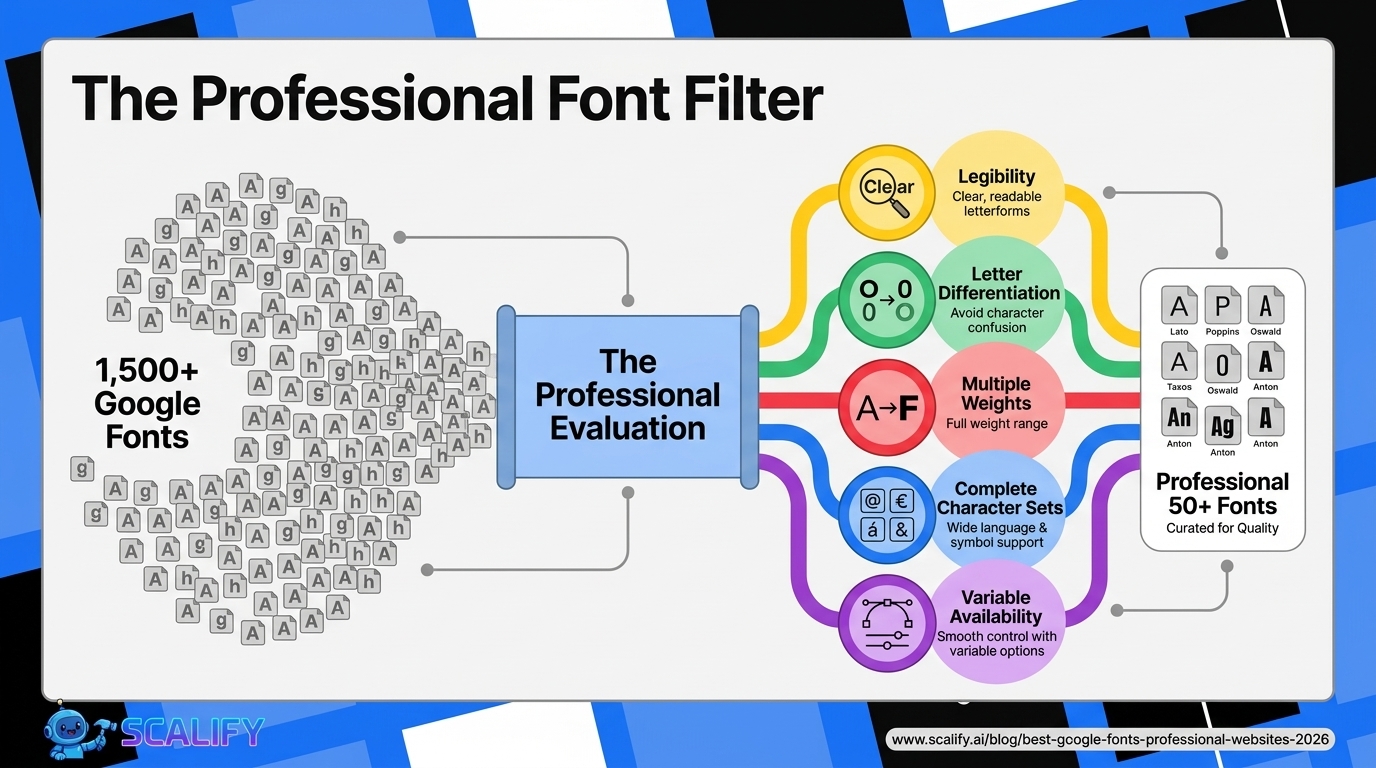
Typography: The choice and arrangement of typefaces shapes everything from readability to personality to perceived quality. Typography decisions include: which typefaces to use (serif fonts convey tradition and authority; sans-serifs convey modernity and clarity; display fonts convey personality), how to size and space text for readability, how to create hierarchy (large bold headings, medium-weight subheadlines, regular-weight body text), and how to pair fonts for complementary visual relationships.
Typography is arguably the most impactful visual decision in web design. The difference between a website that looks amateurish and one that looks sophisticated is often primarily a typography difference.
Imagery and photography: Photography and illustration define the visual personality of a site. Stock photography that looks generic undermines the credibility that the rest of the design builds. Original photography — real people, real products, real environments — creates authenticity that stock can't replicate. Custom illustration establishes a unique visual language that differentiates a brand from every competitor using the same stock library.
White space (negative space): The intentional empty space between and around design elements is as important as the elements themselves. White space creates breathing room, improves readability, reduces cognitive load, and signals sophistication. Designs that are too dense — every pixel filled with content — feel overwhelming and cheap. Generous, intentional white space is a hallmark of premium design.
Visual hierarchy: The arrangement of visual elements in order of their importance, using size, weight, contrast, and position to guide the viewer's eye from most important to least important. A page with good visual hierarchy communicates its key messages before the reader consciously decides what to read. A page without hierarchy requires the reader to decide what to pay attention to — and most won't.
User Experience (UX) Design
UX design focuses on how a website functions from the user's perspective — how easy it is to navigate, how quickly users can find what they're looking for, how intuitive the interactions are, how effectively the site moves users from initial arrival to desired action.
Good UX design is invisible — users accomplish their goals without friction, without confusion, without having to think about the interface. Bad UX design is very visible — users struggle to find the navigation, click buttons that don't behave as expected, get lost in the information architecture, or give up on completing a form that was designed for the organization rather than the user.
UX design involves information architecture (how content is organized and labeled), interaction design (how elements behave in response to user actions), and usability testing (validating design decisions with real users). It's a research-driven discipline that uses data about actual user behavior to make design decisions rather than relying solely on designer intuition.
Information Architecture
Information architecture is the organizational structure of a website — the categories, labels, hierarchies, and navigation patterns that determine how visitors understand what's available and how to find what they need.
Poor information architecture is one of the most common and most damaging website problems. A visitor who can't find what they're looking for within a few navigation attempts doesn't try harder — they leave. The organization that made sense to the people inside the company (organized by department, by product line, by internal process) often doesn't match how visitors think about their needs (organized by their problems, their goals, their stage of awareness).
Good information architecture reflects users' mental models, uses language that mirrors how the audience describes their needs, and creates logical paths from common entry points to important destinations.
Interaction Design
Interaction design defines how website elements behave when users interact with them — hover states that indicate clickability, button press animations that confirm an action was registered, loading states that communicate processing is occurring, error messages that explain what went wrong and how to fix it, transitions that provide continuity between states.
These details collectively determine whether a site feels polished and trustworthy or rough and uncertain. Every interaction is a moment of communication between the design and the user — done well, it reduces friction and builds confidence; done poorly (or omitted entirely), it creates doubt.
The Principles of Effective Web Design
Clarity Over Cleverness
The temptation in design is to be interesting — to find creative, unexpected ways to present information. Sometimes creativity and clarity align. When they don't, clarity wins. A visitor who doesn't understand what your site is offering in three seconds has already decided to leave before your clever navigation animation finishes playing.
This principle extends to copy, structure, and visual presentation: the design that communicates most clearly, with the least cognitive friction, consistently outperforms the design that impresses most in a portfolio review. Design to be understood, not to be admired.
Hierarchy Drives Behavior
The visual weight given to different elements directly influences what visitors pay attention to and what actions they take. If your primary CTA doesn't visually dominate the page as the most prominent action element, some percentage of visitors who intended to click it will miss it. If your headline and subheadline aren't obviously the most important text on the page, visitors won't read them in the intended order.
Every visual decision — size, weight, color, contrast, spacing — affects hierarchy. Good design creates hierarchy that matches the intended communication priority and guides visitor behavior toward the desired action.
Consistency Builds Trust
Visual consistency across a website — consistent color usage, consistent typography, consistent button styles, consistent spacing patterns, consistent navigation behavior — creates a sense of reliability and professionalism that visitors register emotionally even if they can't articulate it.
Inconsistency — different button colors on different pages, typography that changes throughout, navigation that behaves differently in different sections — creates a subliminal sense of disorder that undermines trust. Users associate visual consistency with organizational competence. If the website looks put-together, the business behind it probably is too.
Design for the Actual User, Not the Assumed User
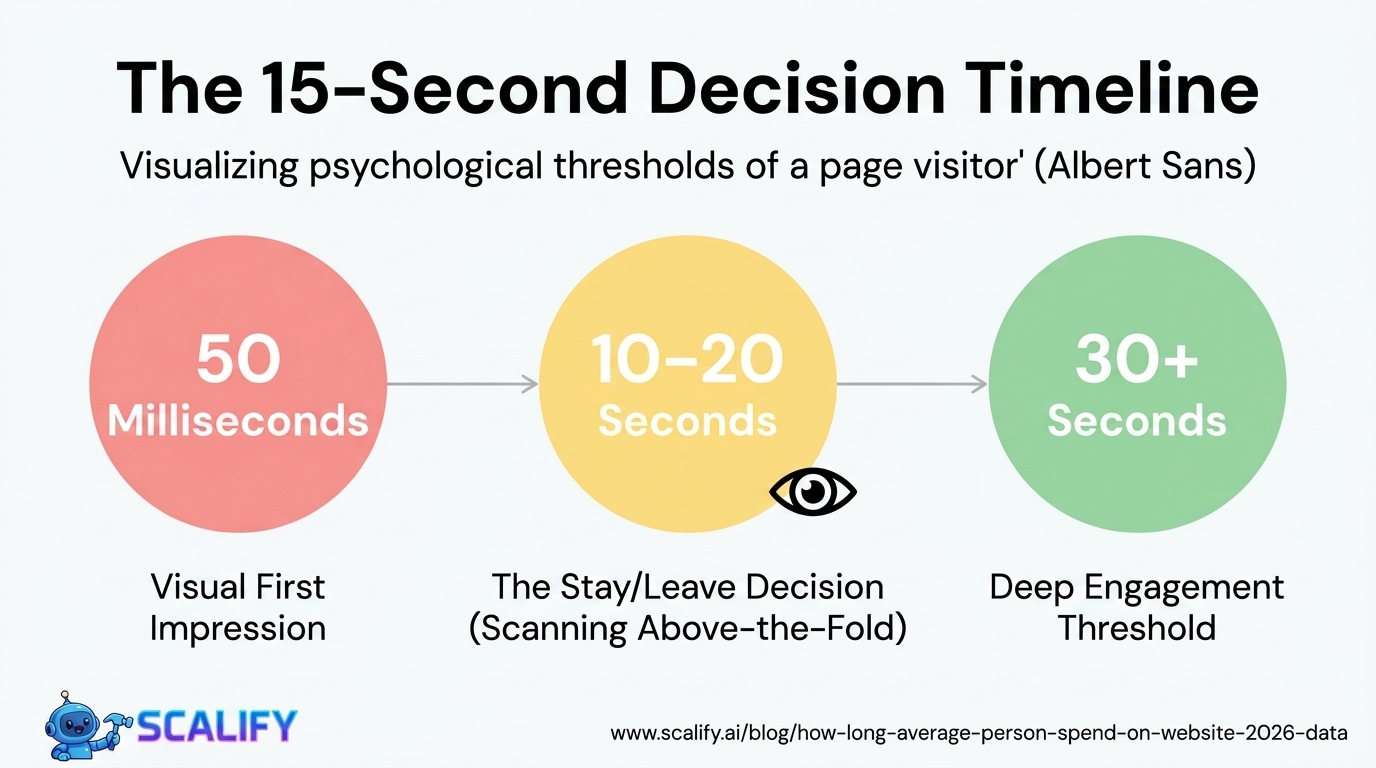
One of the most reliable ways to produce ineffective web design is to design for the imagined user rather than the actual user. The imagined user reads every word. The actual user scans. The imagined user is already familiar with your product category. The actual user may be encountering it for the first time. The imagined user has patience and attention. The actual user is deciding in seconds whether to stay or leave.
Great web design is built on genuine understanding of actual user behavior — through usability testing, session recordings, analytics, and user research rather than assumptions about how users should behave.
Mobile Is the Primary Context
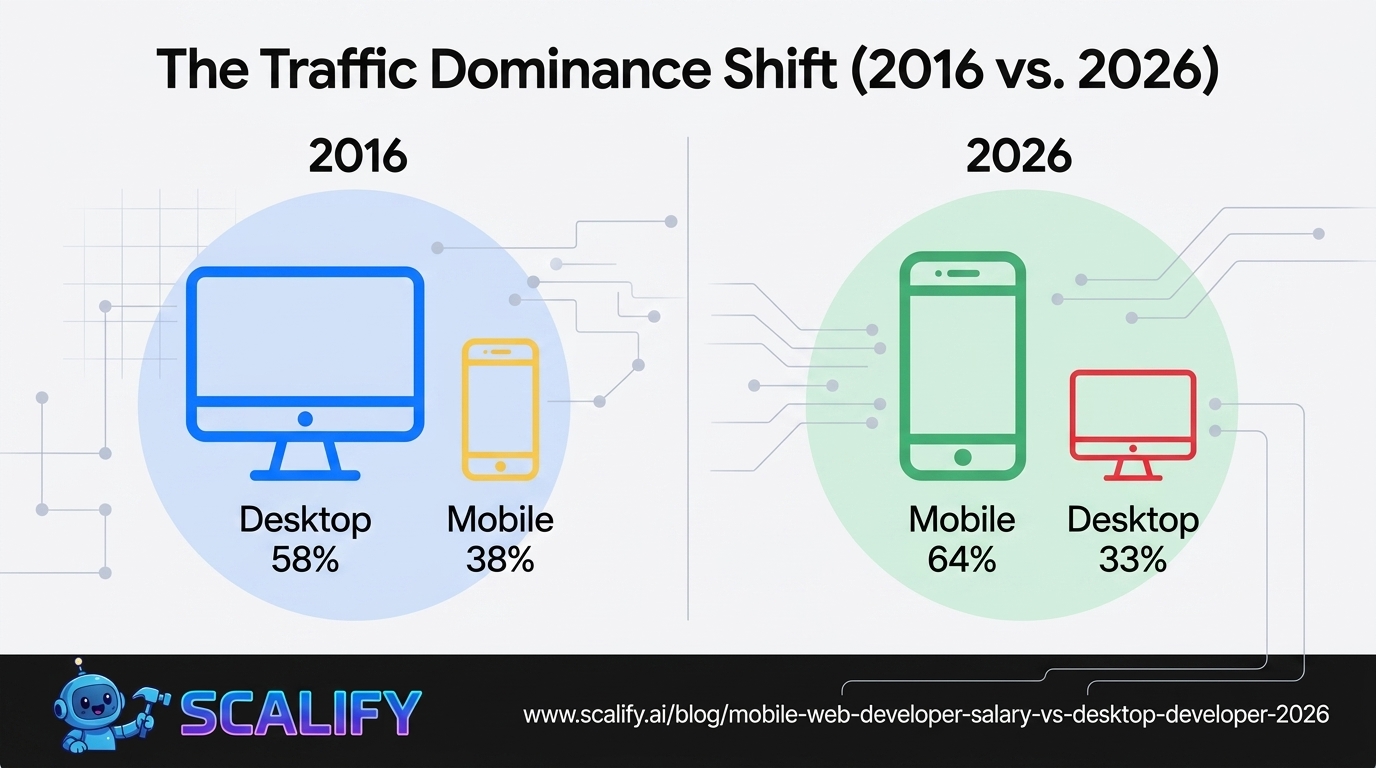
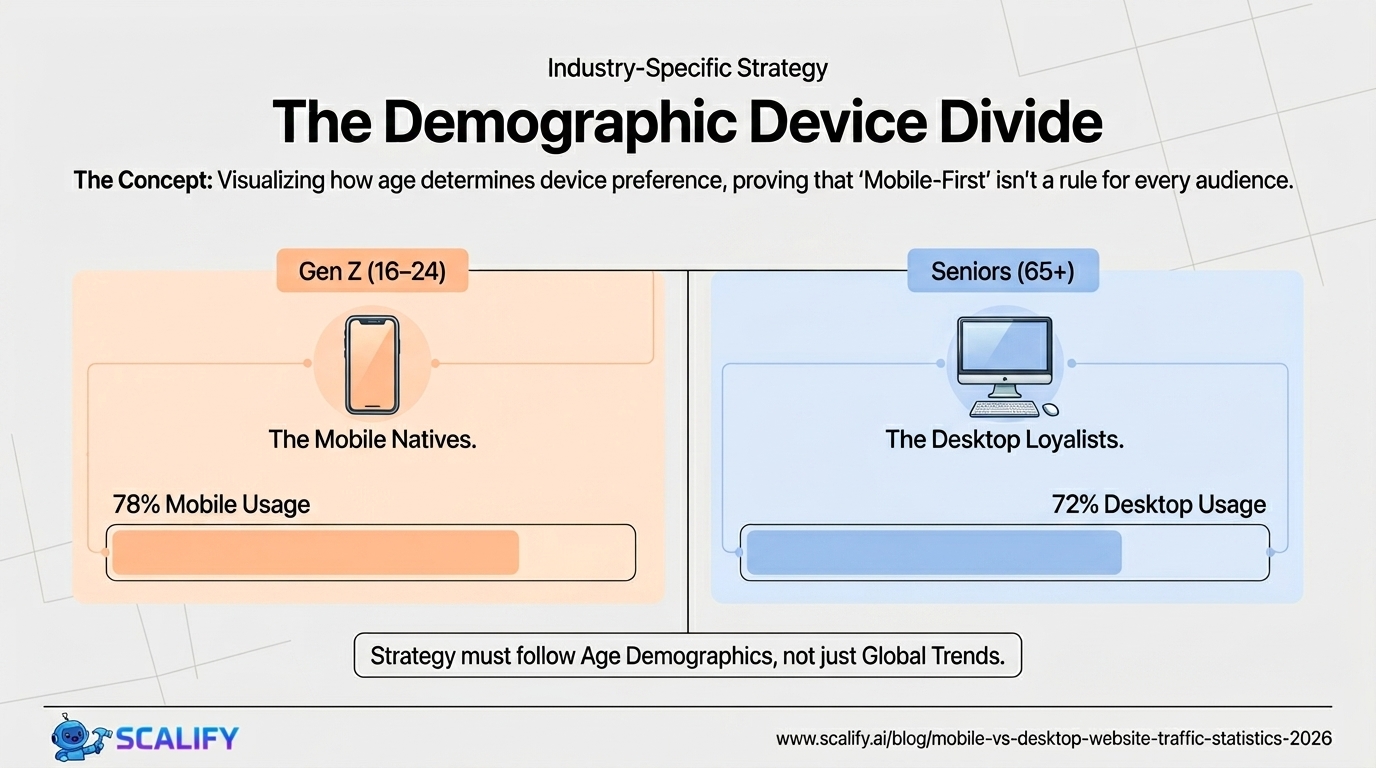
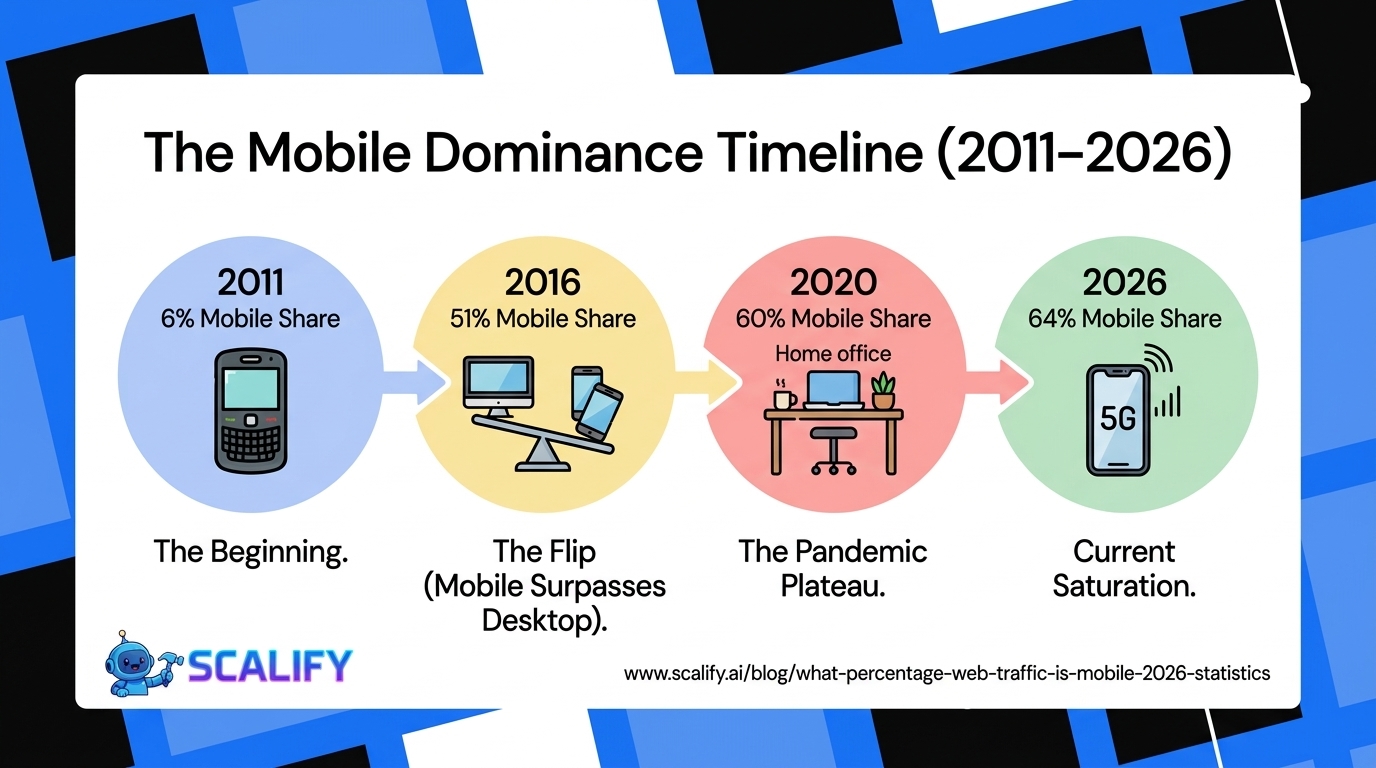
With over 60% of web traffic on mobile devices, designing primarily for desktop and treating mobile as an adaptation is designing for the minority and accommodating the majority. Mobile-first design — starting from the constraints and context of the smallest screen and expanding to desktop — produces better outcomes at every screen size by forcing prioritization of what actually matters.
Web Design Trends vs. Timeless Principles
Web design has aesthetic trends that cycle through — parallax scrolling, flat design, material design, gradient mesh backgrounds, glassmorphism, brutalism, neumorphism — each with a peak of fashionable adoption followed by widespread imitation and eventual dated-ness.
The businesses best served by web design treat trends as optional seasoning rather than the main ingredient. A site built entirely on a trend looks dated in two years when the trend cycles out. A site built on timeless principles of clarity, hierarchy, and user-centered design remains effective for much longer.
This doesn't mean ignoring trends entirely — contemporary design sensibility matters for credibility. A site that looks completely out of date signals a neglected business. But "contemporary and timeless" is a better design brief than "trendy." The sites that age best borrow restrained aesthetic elements from current trends while remaining grounded in principles that don't have expiration dates.
What Good Web Design Looks Like: Evaluation Framework
Beyond "does it look good?" — the subjective aesthetic question — there are objective criteria for evaluating whether a website is well-designed:
First impression test: Show the site to someone unfamiliar with the business for five seconds. Ask: what does this company do? Who is it for? What should you do next? A well-designed site answers all three questions in five seconds. A poorly designed one doesn't.
Navigation test: Can a new visitor find any key page within three clicks without using search? Good information architecture makes this possible. Poor architecture makes visitors hunt.
Mobile test: Load the site on a phone. Is text readable without zooming? Are navigation elements large enough to tap accurately? Does the layout make sense on a narrow screen? A site that fails this test fails more than half its visitors.
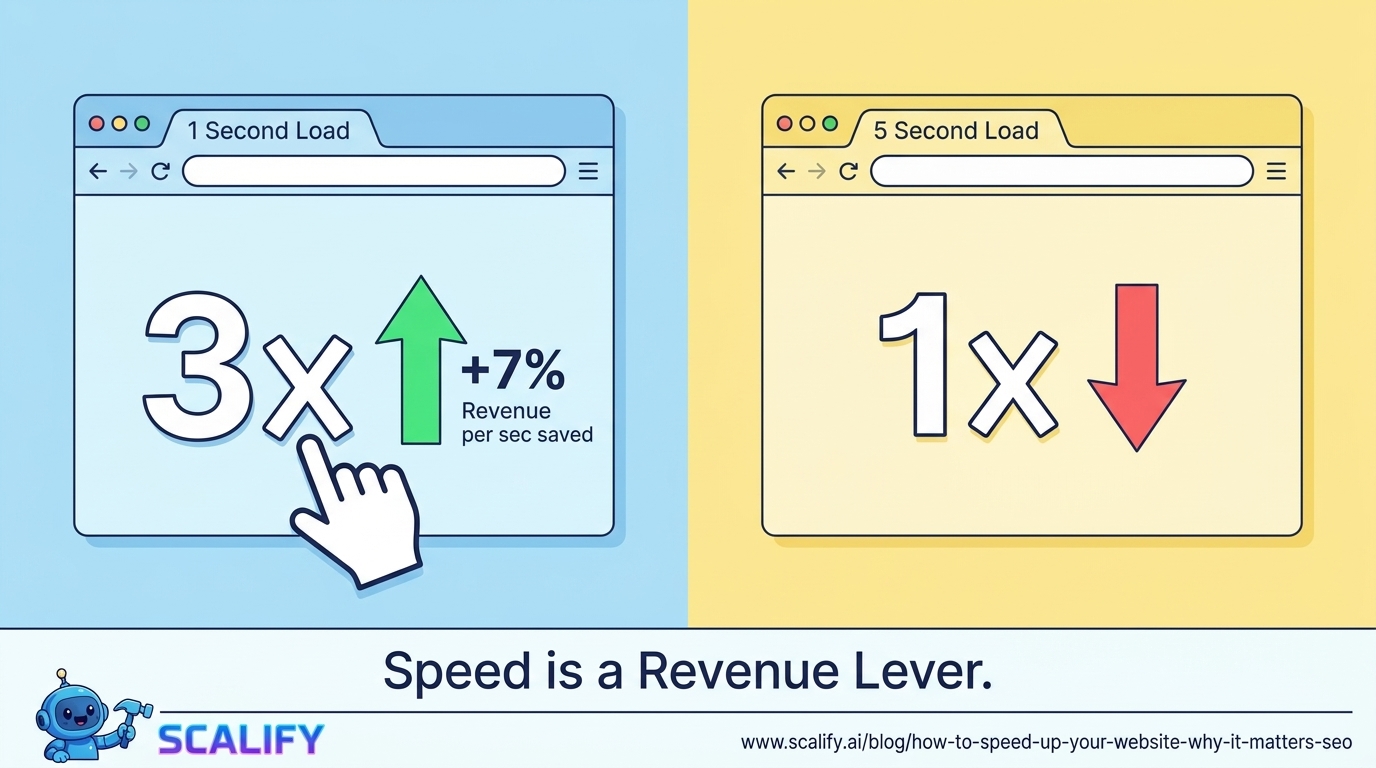
Speed test: Run the site through Google PageSpeed Insights. Does it achieve "Good" Core Web Vitals scores on mobile? Slow sites fail before users see the design.
CTA test: Is the primary conversion action visible without scrolling? Can you find the primary CTA without hunting for it? Is it visually prominent and verbally specific?
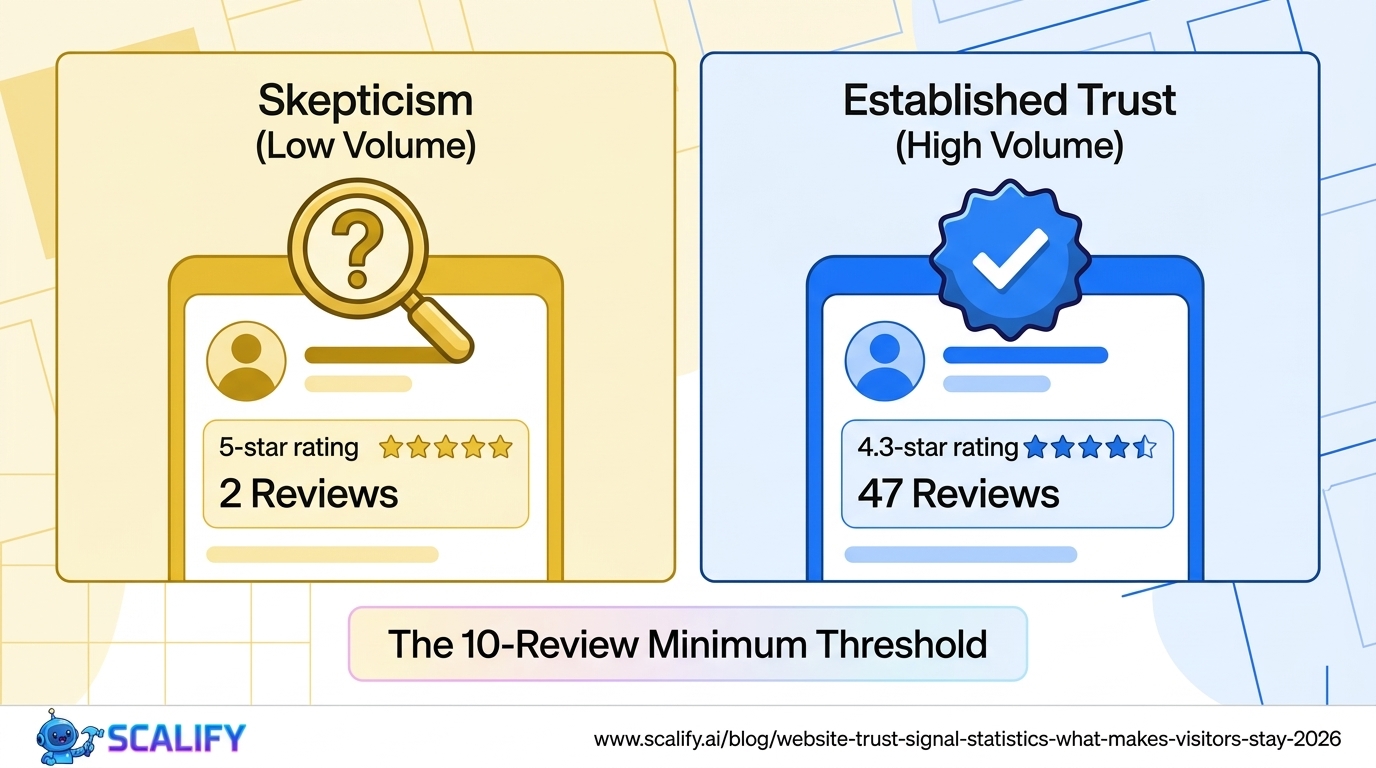
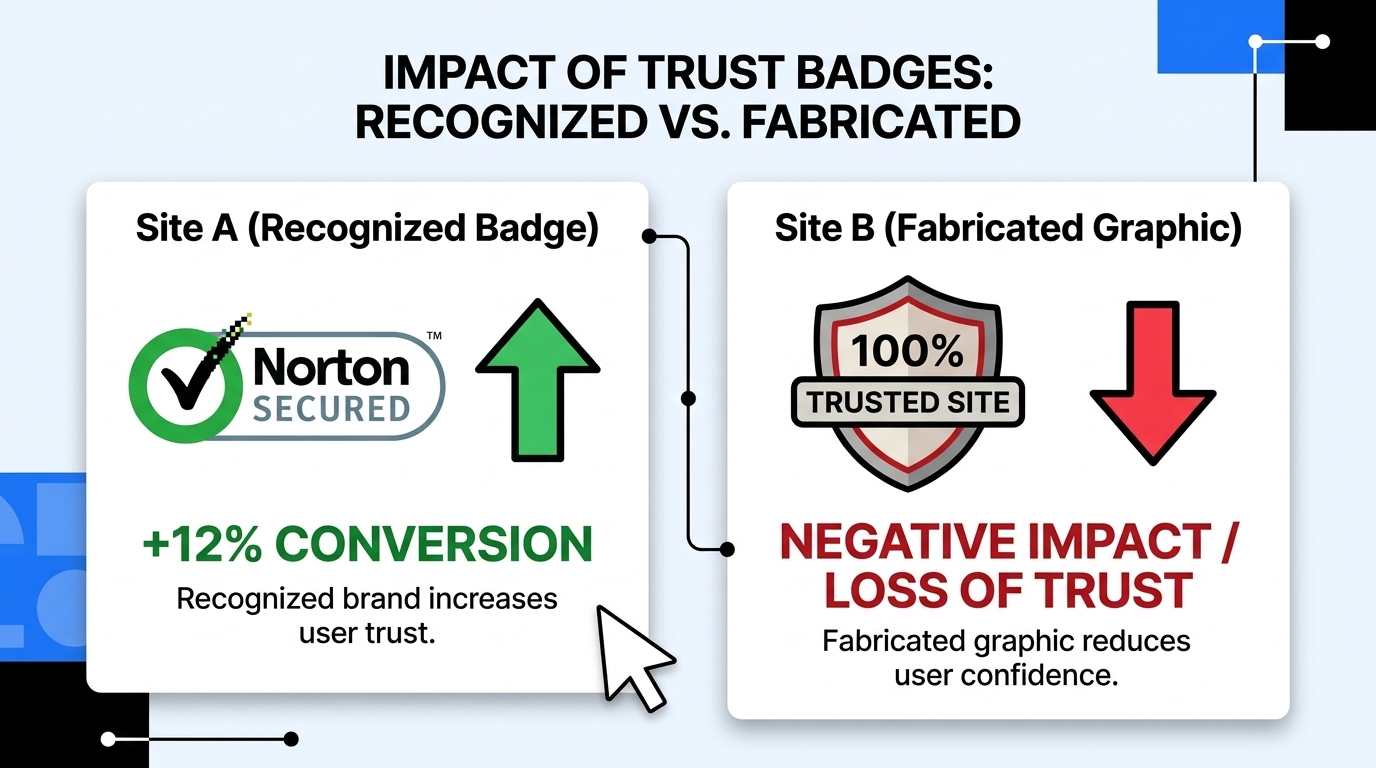
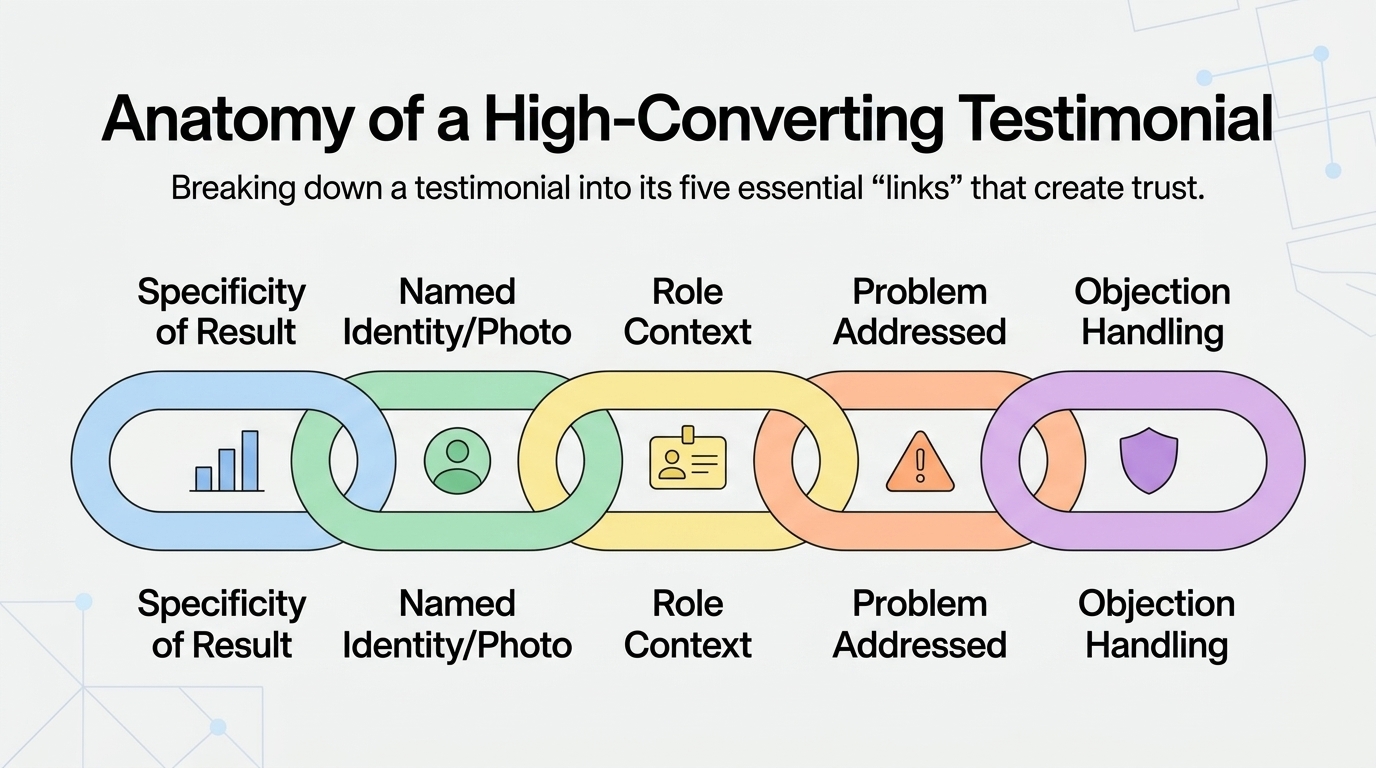
Trust test: Does the site communicate sufficient credibility for a first-time visitor to trust the business? Are there testimonials, social proof, contact information, and signals that this is a real, established organization?
The Relationship Between Design and Business Performance
Design is not decoration. It's the medium through which your business communicates trust, value, and capability to every visitor — and it directly affects whether those visitors convert into customers, leads, or subscribers.
Forrester Research found that every $1 invested in UX design returns $100 on average. McKinsey's Design Index found that top-quartile design companies grow revenue 32% faster and total shareholder return 56% faster than industry peers. The correlation between design quality and business performance is well-documented.
The mechanism is direct: better design communicates more clearly, builds trust more effectively, reduces friction at conversion points, and creates more positive emotional associations with the brand. Each of these improvements translates to higher conversion rates, lower bounce rates, more time on site, and ultimately more revenue from the same traffic.
The Bottom Line
Web design is a multi-disciplinary practice that encompasses visual design, user experience, information architecture, interaction design, and conversion psychology — all oriented toward creating websites that achieve real business goals by serving real users effectively. The best web design is clear, hierarchical, consistent, mobile-first, and built on genuine understanding of actual user behavior rather than assumptions.
Evaluating web design goes beyond aesthetic preference to measurable criteria: does it communicate clearly? Can visitors navigate effectively? Does it work on mobile? Is it fast? Does it drive the actions that matter? These criteria separate websites that look good from websites that perform well — and performance is the measure that ultimately matters.
At Scalify, web design is our core practice — and we approach it with equal attention to visual quality and conversion performance. Because a beautiful website that doesn't convert is just an expensive piece of art.



.jpeg)
.jpeg)


78 SW 7th St, Miami, FL 33130