


What Is Web Design and What Does a Web Designer Actually Do?
By Josh Ternyak

April 1, 2026
Comprehensive guide: What Is Web Design and What Does a Web Designer Actually Do?
The Discipline Behind Every Great Website
Ask ten people what a web designer does and you'll get ten different answers. "They make websites look nice." "They code." "They do graphics." "They handle SEO." The ambiguity reflects the genuine breadth of what "web design" can mean — and the significant variation in what different practitioners actually do.
At the most basic level, web design is the process of planning and creating websites. But that definition obscures the actual complexity of the discipline, which involves visual design, user experience, information architecture, interaction design, content strategy, performance optimization, and an understanding of how all of these elements interact to produce websites that achieve specific business goals.
More precise definition: web design is the strategic and creative practice of creating the visual and experiential elements of websites — the layout, color, typography, imagery, navigation, and interactive behavior — in a way that serves both user needs and business objectives. It sits at the intersection of art and function, of aesthetics and conversion, of creativity and analysis.
The Core Disciplines Within Web Design
Visual Design
The aesthetic layer of web design. Visual design applies principles from graphic design — color theory, typography, grid systems, visual hierarchy, composition — to the specific context of web pages and digital interfaces.
What visual design decisions include:
- Color palette selection: Which colors, in what combinations, to produce what emotional response and communicate what brand personality
- Typography: Which typefaces, at what sizes, with what spacing, to produce readable, hierarchically clear text
- Grid and layout: How content is organized in two-dimensional space on the screen
- Visual hierarchy: What draws the eye first, second, third — guiding visitor attention through the page in a designed sequence
- Imagery selection and treatment: What types of photographs or illustrations reinforce the brand and support the content
- White space: The intentional use of empty space to create breathing room, improve readability, and communicate quality
Visual design quality is what most people notice first about a website — it shapes the initial impression that determines whether a visitor stays or leaves. But visual design in isolation is insufficient. A visually stunning website that confuses users, loads slowly, or doesn't convert visitors has failed at the business goal, regardless of its aesthetic quality.
User Experience (UX) Design
The functional layer. UX design is concerned with how the website works from the user's perspective — how easily visitors can find what they need, complete their goals, and navigate through the site. Where visual design asks "does this look right?", UX design asks "does this work right?"
UX design includes:
- Information architecture: How content is organized, categorized, and labeled so users can find what they need
- Navigation design: How users move between pages and sections
- User flow design: The sequence of steps users take to complete specific goals (contact, purchase, sign up)
- Wireframing: Creating structural blueprints of page layouts before visual design begins
- Prototyping: Interactive models of the design for testing user interactions
- Usability testing: Evaluating the design with real users to identify friction points
Interaction Design
How the website responds to user actions. Hover states, animations, transitions, form validation feedback, loading indicators, mobile gestures — all of these are interaction design decisions that affect the experience of using the site.
Good interaction design is largely invisible — it makes the site feel responsive, polished, and intuitive without calling attention to itself. Interactions that feel delightful are usually interactions that feel natural. Interactions that feel clunky or unexpected are interaction design failures.
Responsive Design
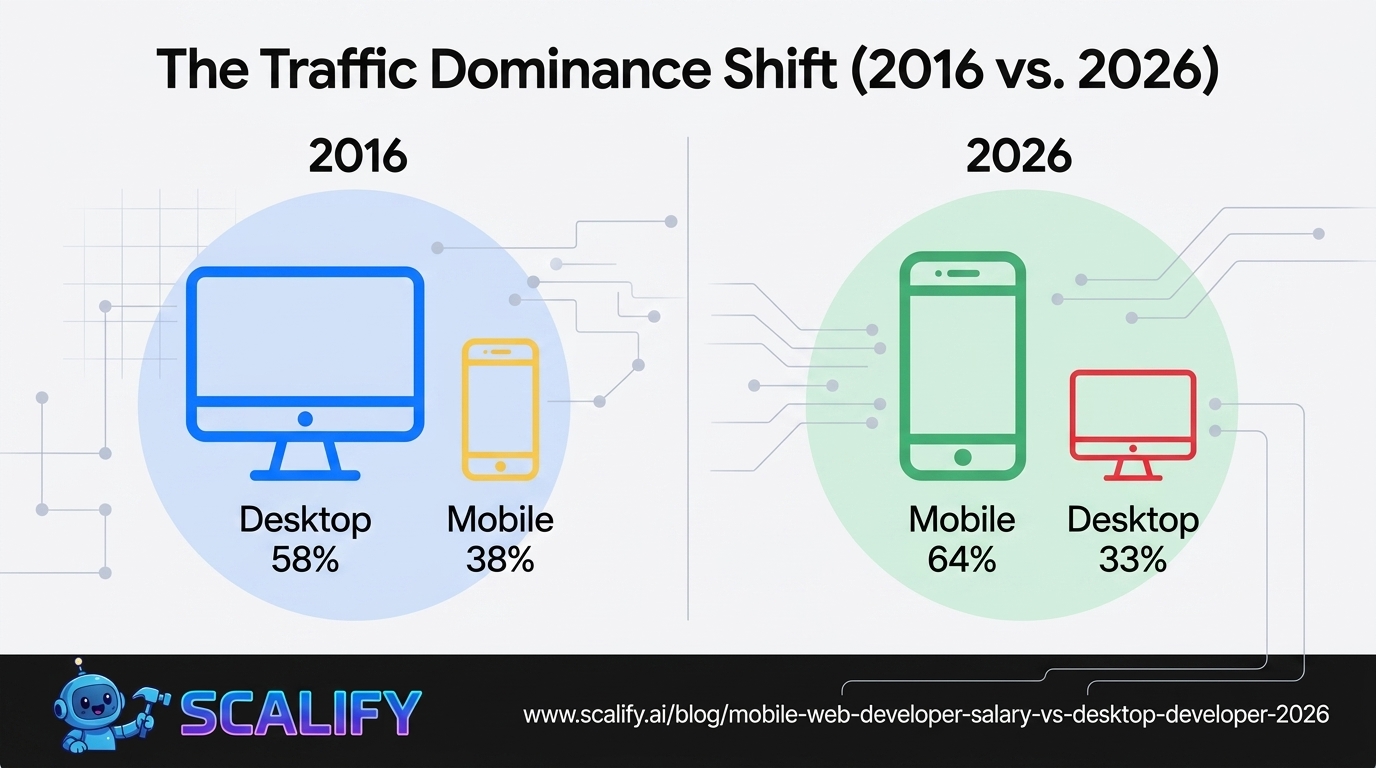
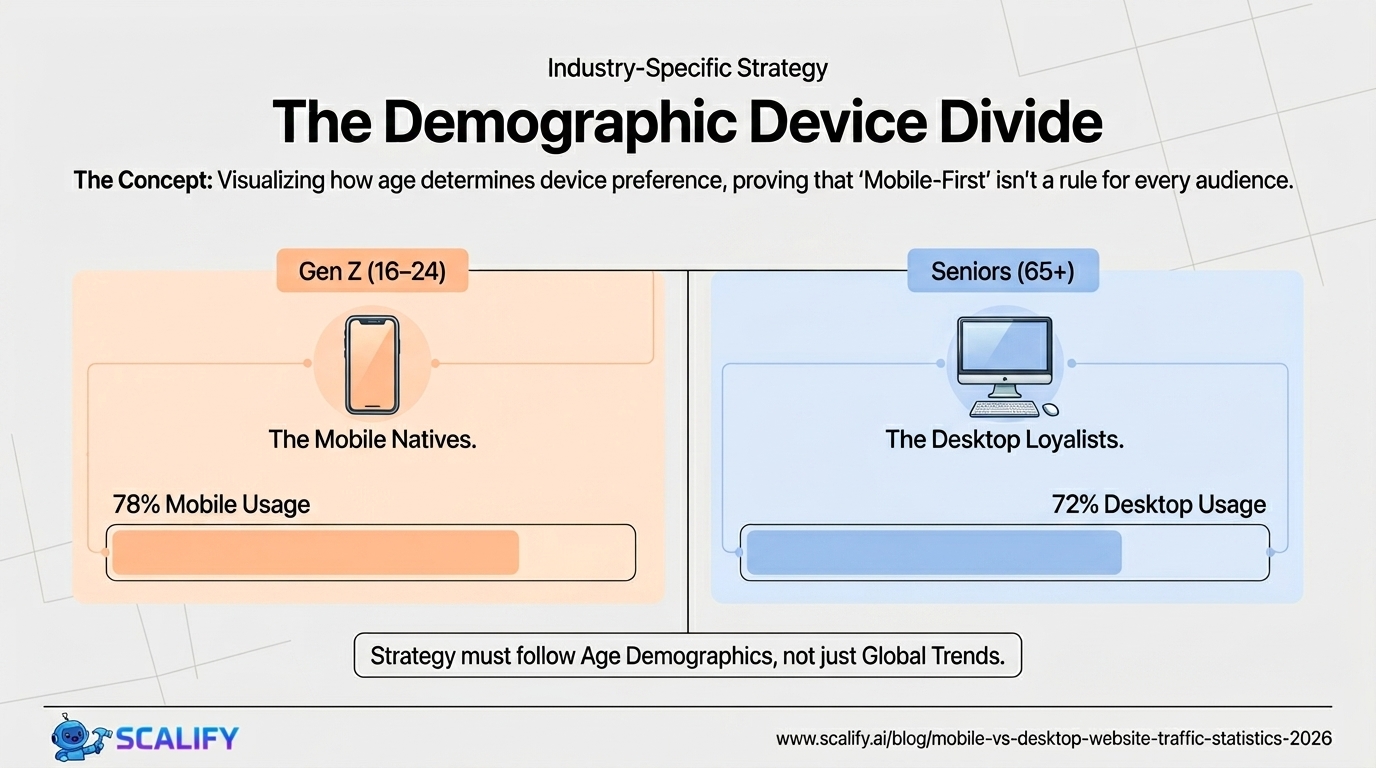
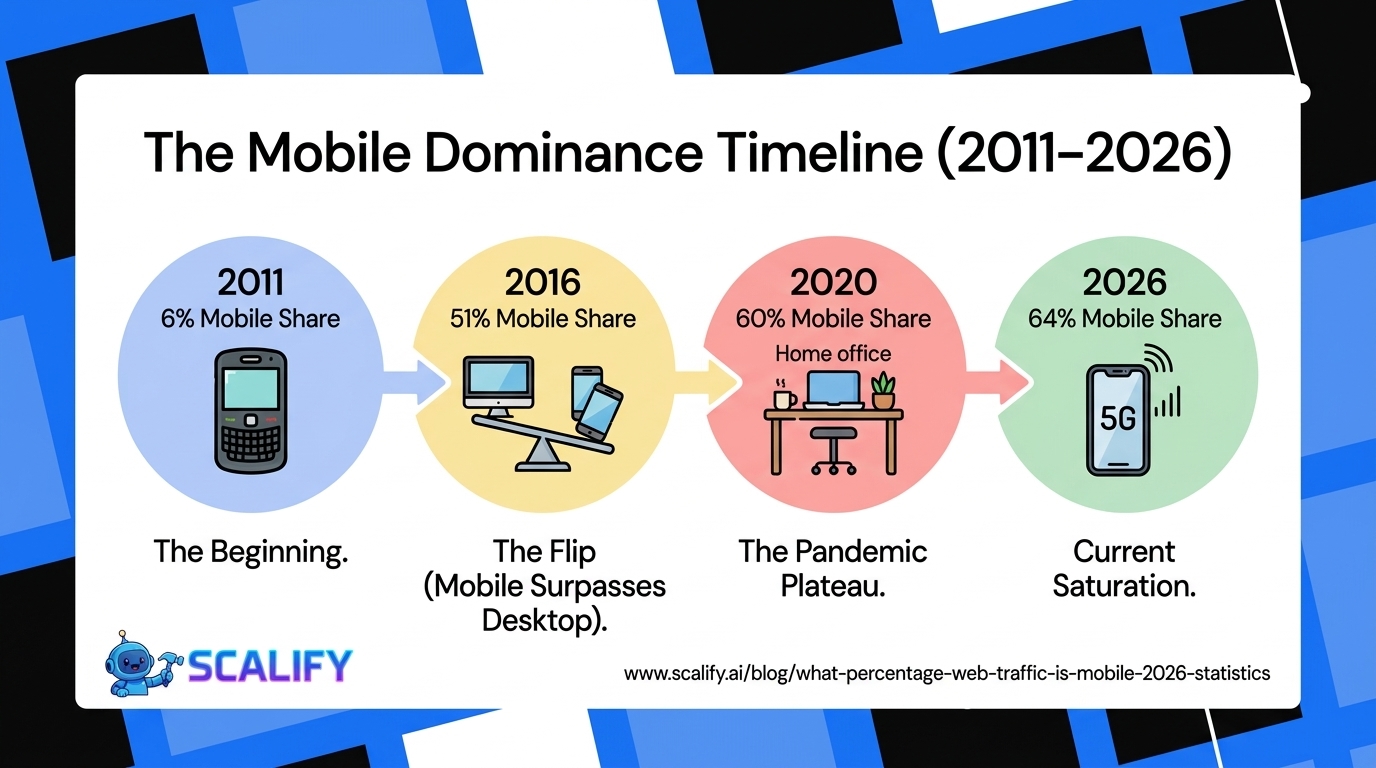
Design that adapts to different screen sizes — mobile phones, tablets, laptops, desktop monitors, and everything in between. As of 2026, with over 60% of web traffic on mobile, responsive design is not an optional feature. Every web design project requires a deliberate, tested approach to how the design translates across screen sizes.
This is not simply "making the desktop design smaller" — mobile contexts involve different interaction patterns (touch vs. cursor), different user contexts (divided attention, on the go), different information hierarchies (what's most important when space is limited), and different performance constraints (mobile connections may be slower).
Conversion Design
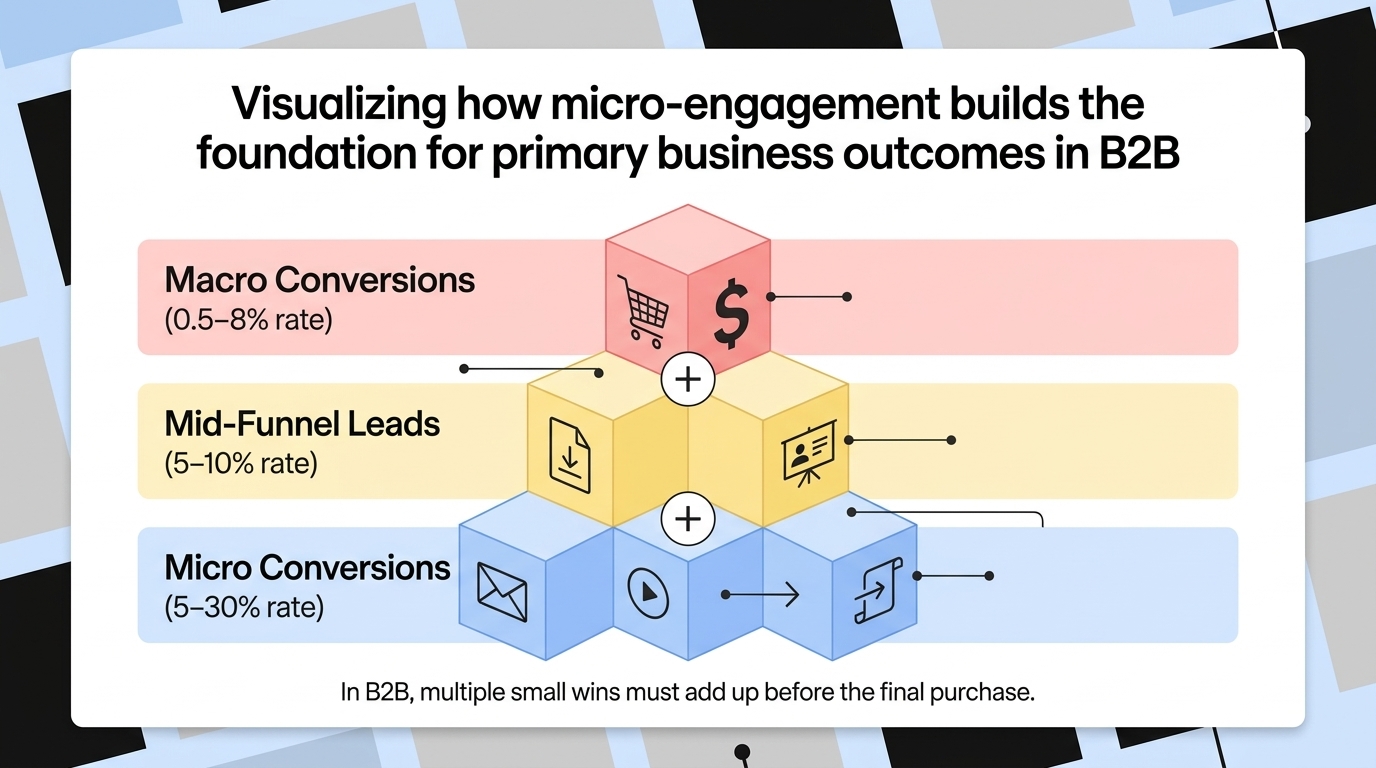
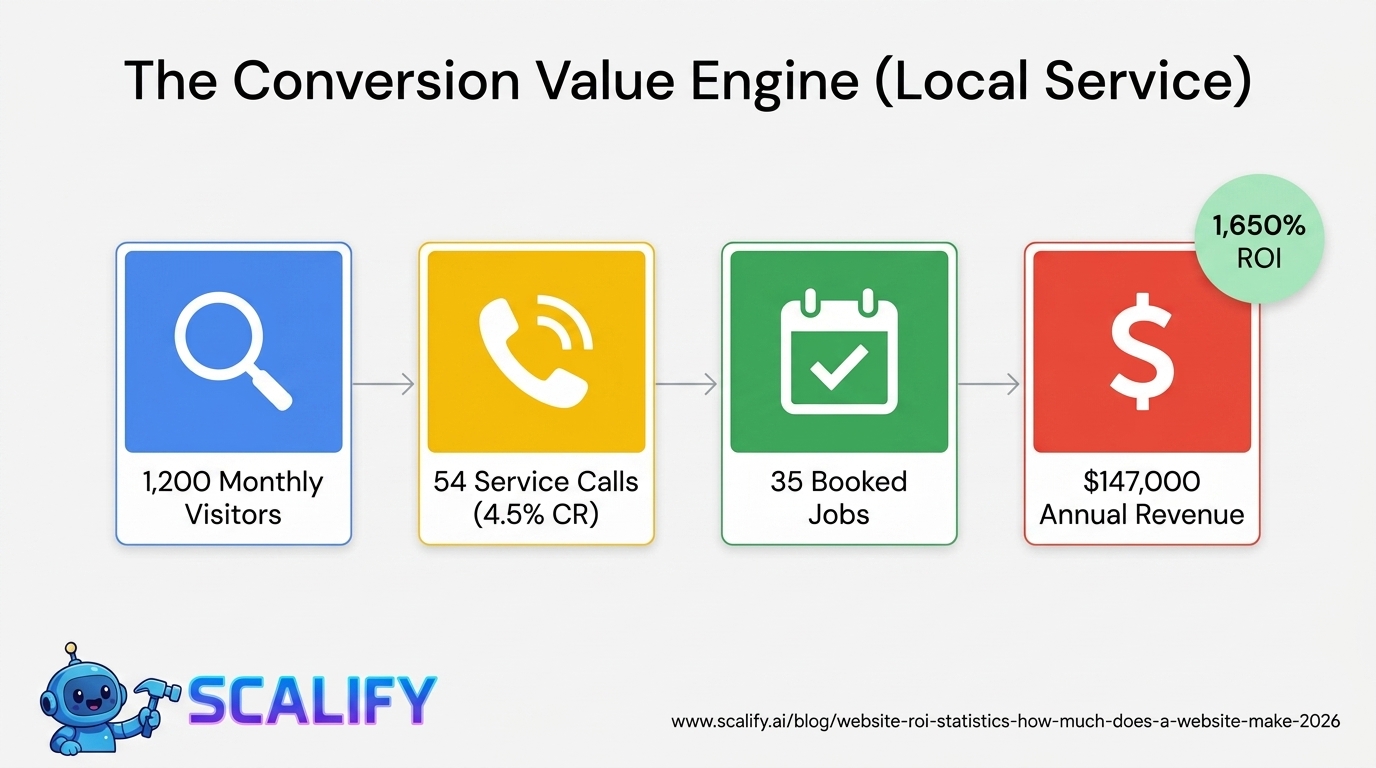
Design with the specific goal of converting visitors into customers, leads, or other desired actions. Conversion-focused web design applies persuasion psychology and behavioral economics to design decisions: how to create clear, compelling calls to action; how to build trust through visual credibility signals; how to reduce friction at decision points; how to guide attention toward conversion-critical elements.
This discipline bridges design and marketing — it's concerned with business outcomes, not just aesthetics or usability. The best web designers for business websites think explicitly about conversion at every design decision.
What a Web Designer Actually Does
The specific activities of a web designer vary significantly by specialization, project type, and whether they're working solo or within a team. A general picture:
Discovery and Strategy
Before design begins, understanding the business, audience, and goals. This typically involves: stakeholder interviews to understand business objectives, target audience research to understand user needs and mental models, competitive analysis to understand the visual and UX landscape, and content inventory to understand what exists and what needs to be created.
The strategy phase produces a foundation for design decisions. Every visual and UX choice that follows should serve the strategic goals established here. A designer who skips this phase is making aesthetic decisions without strategic grounding.
Information Architecture
Creating the sitemap and navigation structure. What pages exist? How are they related? What's in the main navigation? What's in the footer? How do pages link to each other internally? The IA decisions shape everything that follows — the structure of a house before the rooms are designed.
Wireframing
Creating low-to-mid fidelity structural representations of key page layouts. Before any visual design decisions, wireframes establish what sections exist on each page, in what order, with what content. This creates shared understanding of structure before design investment begins.
Visual Design
The design work most commonly associated with "web design" — creating the actual visual appearance of the website. This produces high-fidelity mockups of each page template, in design tools like Figma, showing exactly what the site will look like when built.
Professional web design typically delivers: desktop and mobile versions of all key page templates, all interactive states (hover, active, focus, error states), a style guide documenting the design system (colors, typography, spacing, components), and annotated designs noting interaction behavior and responsive behavior for the development team.
Prototyping
Creating interactive prototypes that simulate the experience of using the website. In Figma, interactive connections between frames can make a prototype feel like a real, clickable website — useful for user testing, stakeholder presentations, and development handoff.
Design Handoff
Preparing design files for the development team. This includes: organized Figma files with clearly named layers and properly structured components, exported assets (icons, images, illustrations) at appropriate resolutions, design tokens (colors, typography, spacing) that translate into code, and annotations explaining any behavior not obvious from the static design.
In some projects, the designer and developer are the same person. In others — especially larger projects — they're different specialists working from the same design files.
Quality Assurance
Reviewing the built website against the design to catch discrepancies. Fonts mismatched, colors slightly off, spacing different from the spec, interactive states not implemented correctly — these are the differences between "built to spec" and "close enough." The designer who reviews the built site against their design is protecting the quality of their work.
The Tools Web Designers Use
Figma: The dominant professional design tool. Used for wireframing, high-fidelity design, prototyping, and design system management. Real-time collaboration makes it particularly suited to team environments.
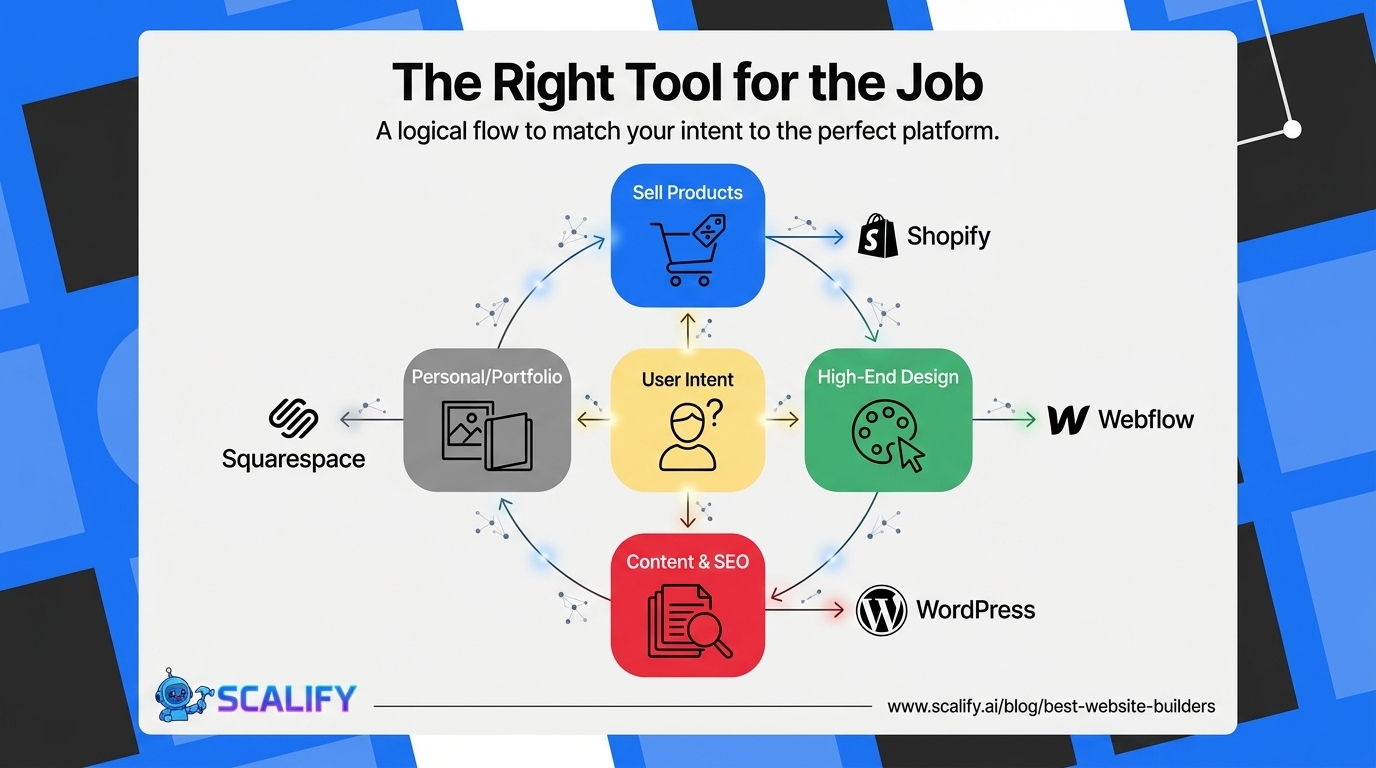
Webflow: A visual web development tool that many designers use to build directly, bypassing the need for a separate developer. Powerful and flexible for designers who want to take their designs all the way to production without coding.
Adobe Creative Suite: Photoshop for image editing, Illustrator for vector graphics and illustrations, After Effects for animation. Used as complementary tools alongside Figma rather than as primary design environments for most modern web designers.
ProtoPie, Framer, Principle: More advanced prototyping tools for complex interactive prototypes. Used when Figma's prototyping is insufficient to communicate complex interaction behavior.
UserTesting, Maze, Hotjar: User research and testing tools. Used to validate design decisions with real users before and after implementation.
The Difference Between Good and Great Web Designers
Both good and great web designers can produce visually attractive mockups. The distinction:
Business understanding: Great web designers understand business goals and design toward them. They ask "what should this page accomplish?" before asking "how should this page look?" They make design decisions that serve the conversion goal, not just the aesthetic preference.
User research: Great web designers validate their assumptions about users through research rather than relying on intuition. They know that their own preferences as designers are a poor proxy for the preferences of the target audience.
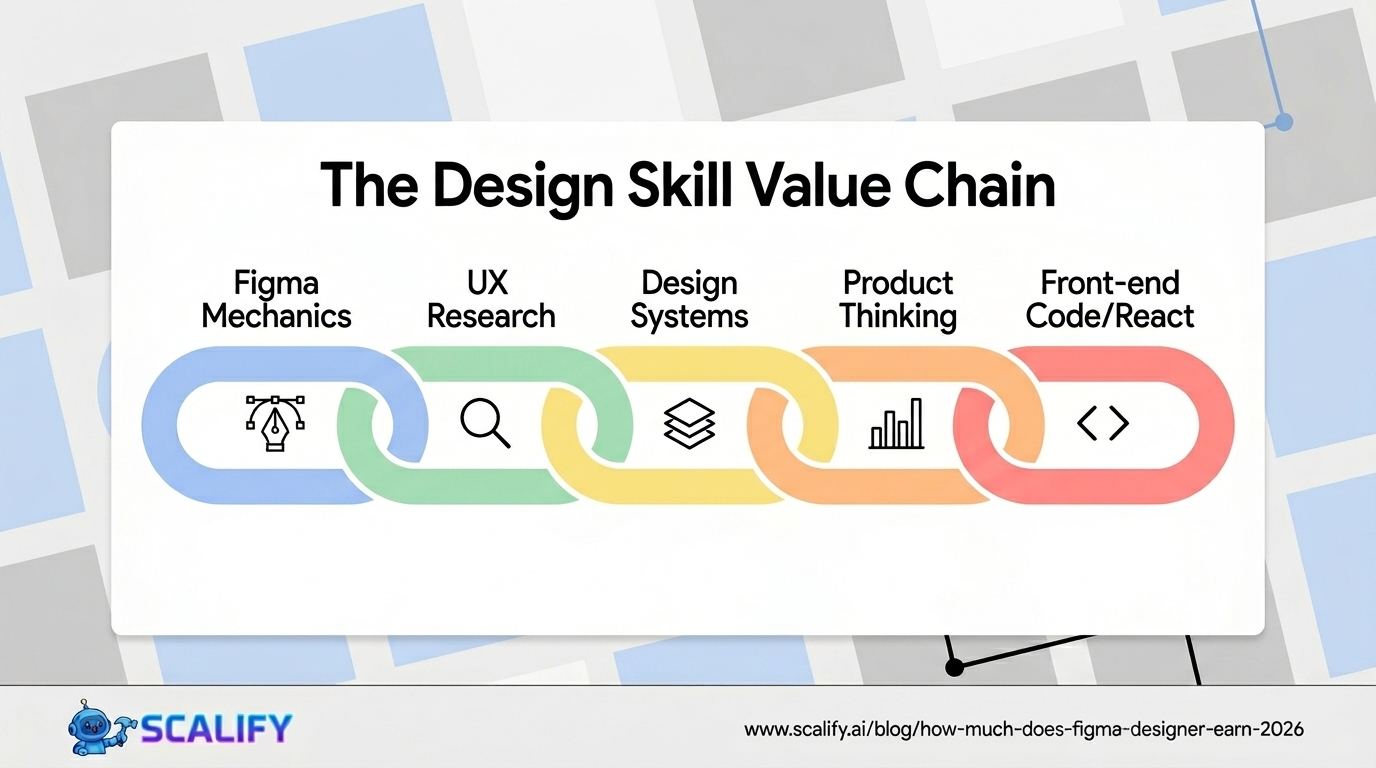
Systems thinking: Great web designers build design systems — consistent, reusable components and patterns — rather than making ad hoc decisions for each element. This produces consistency and makes future design work faster and more coherent.
Developer collaboration: Great web designers understand technical constraints and design within them. They know that certain effects are expensive to implement, that certain layouts behave differently across browsers, and that performance considerations affect design choices.
Continuous improvement: Great web designers treat the launched website as a starting point, not an endpoint. They're interested in analytics, conversion data, and user feedback that inform iterative improvements to the design over time.
Web Design vs. Web Development: The Key Distinction
These terms are frequently confused and sometimes used interchangeably, but they refer to different activities:
Web design is the visual and experiential planning and creation — what the site looks like and how users interact with it. Output: design files (Figma mockups, style guides, prototypes). Primary tools: design software.
Web development is the technical implementation — building the actual working website from the design. Output: working code (HTML, CSS, JavaScript, backend code). Primary tools: code editors, version control.
Some practitioners do both (full-stack designers, or "designer-developers") — particularly in the small business and freelance market where one person needs to handle the full process. But in professional teams and agencies, these are often separate roles because the skills are genuinely different: deep visual design expertise and deep technical development expertise rarely coexist in the same person at high levels.
When evaluating designers: ask for portfolio work, but also ask whether they're delivering design files that will be built by someone else, or built websites they implemented themselves. Both models can produce excellent results; they require different evaluation criteria.
The Bottom Line
Web design is the strategic and creative discipline of creating the visual and experiential layer of websites — serving user needs and business objectives through informed decisions about visual hierarchy, information architecture, interaction design, and conversion optimization. It's not just "making things look nice" — though visual quality is important — it's designing experiences that accomplish specific goals for specific audiences.
Great web designers combine aesthetic sensibility with strategic thinking, user research with creative expression, and design craft with business understanding. The result is websites that are beautiful to look at and effective at producing the outcomes the business needs — not one at the expense of the other.
At Scalify, web design is a strategic discipline, not just a visual one — every design decision we make is grounded in your business goals, your audience's needs, and the conversion principles that turn visitors into clients.
The compounding nature of consistent execution is the most important concept in digital marketing: individual tactics produce modest results; systematic implementation of multiple well-chosen tactics over 12–24 months produces transformative results. Identify the highest-impact improvements available to your specific situation, implement them with measurement infrastructure in place, and build the discipline to iterate based on what the data shows rather than intuition or industry trends that may not apply to your specific business and market.


.jpeg)
.jpeg)

78 SW 7th St, Miami, FL 33130