


What Is a Website Blog and Why Does Every Business Need One?
By Josh Ternyak

April 1, 2026
Comprehensive guide: What Is a Website Blog and Why Does Every Business Need One?
The Business Asset Most Companies Build Wrong
The word "blog" conjures images of personal diaries, lifestyle influencers, and hobbyist writers sharing their thoughts for an audience of friends and family. This association leads many business owners to dismiss the idea: "We're a professional services firm — we don't need a blog."
This is a mistake that costs businesses measurable amounts of organic traffic, qualified leads, and domain authority every year. The business blog — executed correctly — is one of the most powerful organic marketing assets available. It's the engine that builds search visibility, establishes expertise, attracts qualified prospects, and creates the foundation for content marketing that compounds over time.
The business blog is not a diary. It's not personal reflection. It's a systematic content strategy designed to capture organic search traffic from people who have the exact problems your business solves — and convert that traffic into leads through demonstrated expertise and clear conversion paths.
What a Business Blog Actually Is
A business blog is a regularly updated section of your website containing informational, educational, or thought leadership content relevant to your industry, customers, or business area. In web design terms, it's a CMS-managed content section typically accessible at yoursite.com/blog.
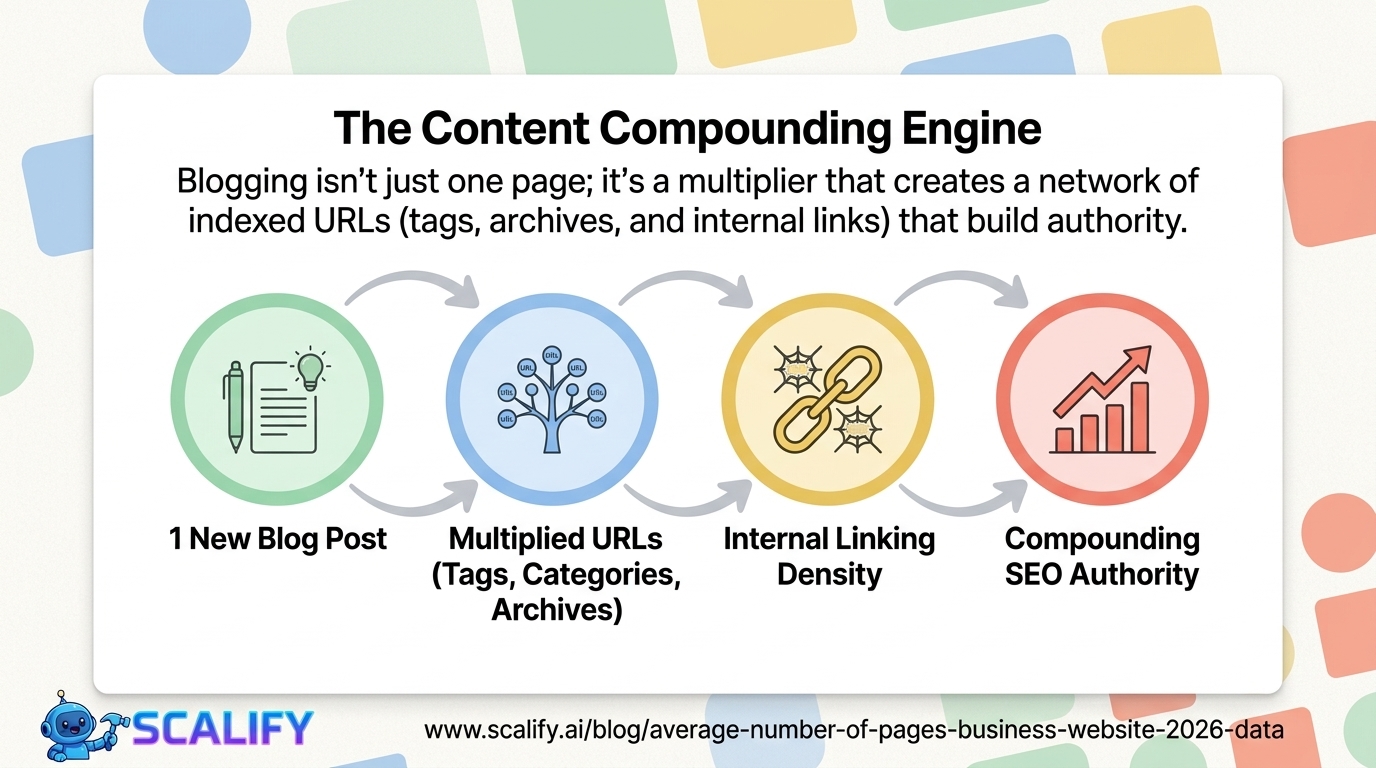
The mechanics: each post is a separate indexed URL that can appear in Google search results for the queries it targets. A business that publishes 50 well-optimized blog posts has 50 pages potentially ranking in Google — 50 entry points for qualified prospects to find the business through organic search.
This is the fundamental business case for a blog: it expands your organic search presence far beyond your core website pages. Your homepage, services page, and about page can rank for a handful of queries. A comprehensive blog covering your entire topic space can rank for hundreds or thousands of queries — capturing prospects at every stage of awareness and consideration, not just those who already know to search for your specific service.
The Three Business Functions of a Blog
1. Organic Search Traffic Generation
Search engines rank individual pages, not whole websites. Each blog post is an opportunity to rank for a specific query — to appear when someone searches for information related to your industry, your clients' problems, or your area of expertise.
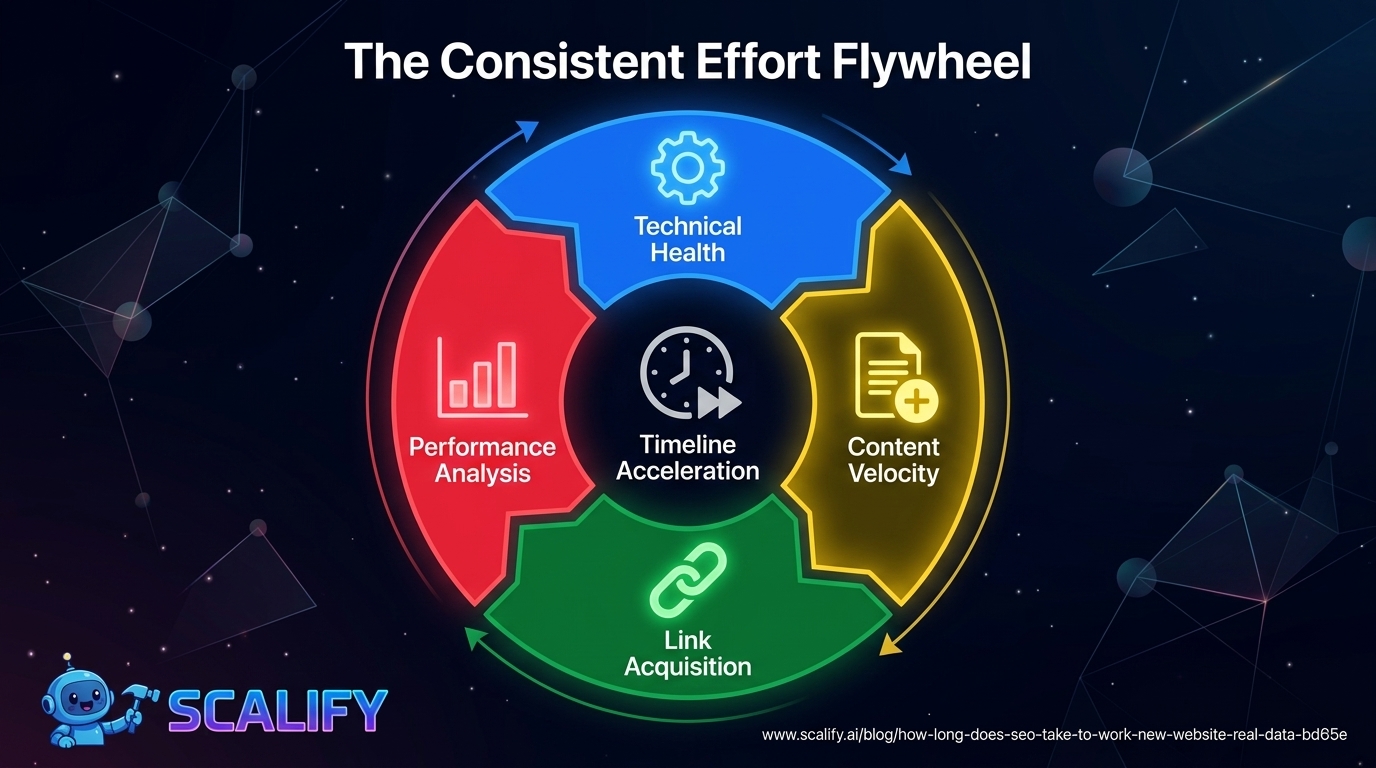
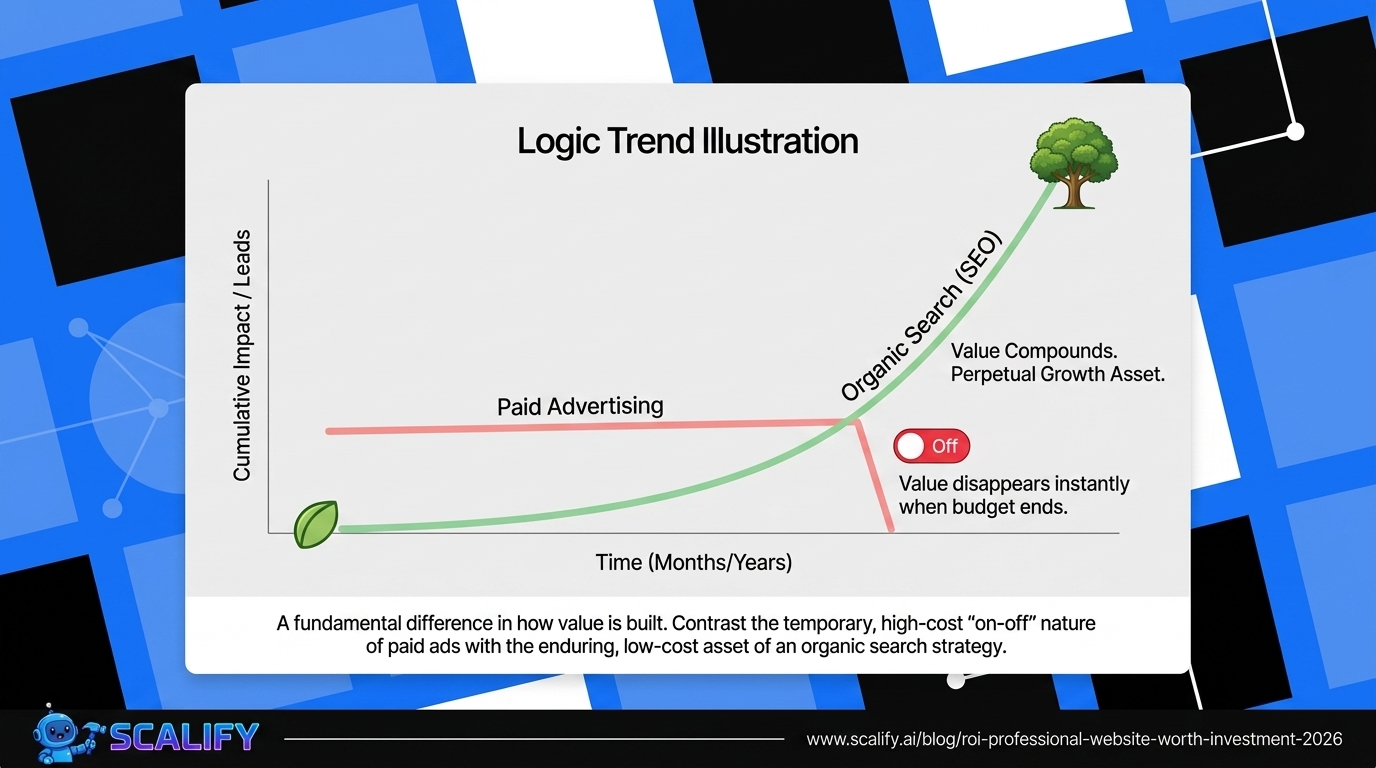
The compounding math: a business that publishes one quality blog post per week accumulates 52 posts per year. Each post might rank for 5–20 related queries. After two years: 100+ posts, potentially ranking for 500–2,000 queries, generating ongoing organic traffic that continues without additional advertising spend.
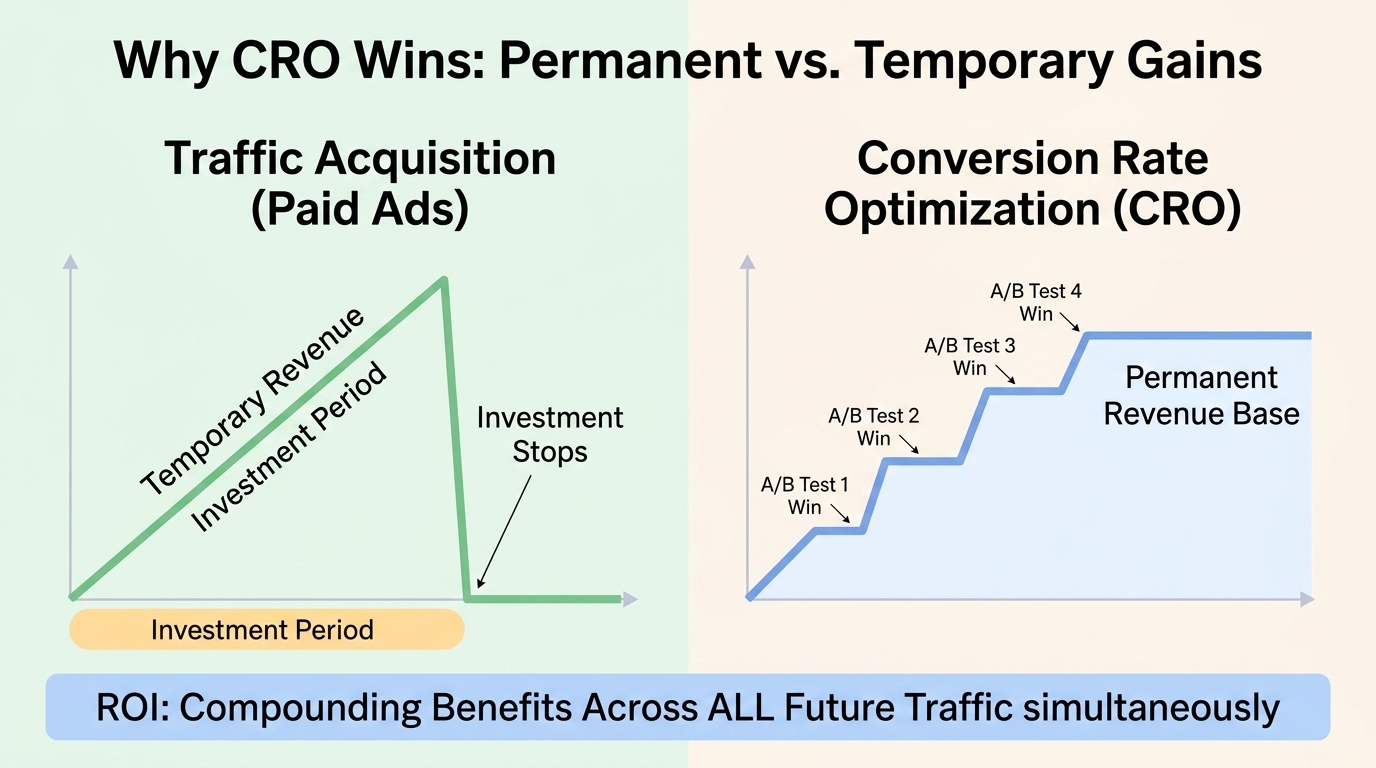
This compounding effect is what makes content marketing through a business blog one of the highest long-term ROI marketing investments. Unlike paid ads that stop when you stop spending, blog content continues working indefinitely once it's indexed and ranking.
2. Authority and Credibility Building
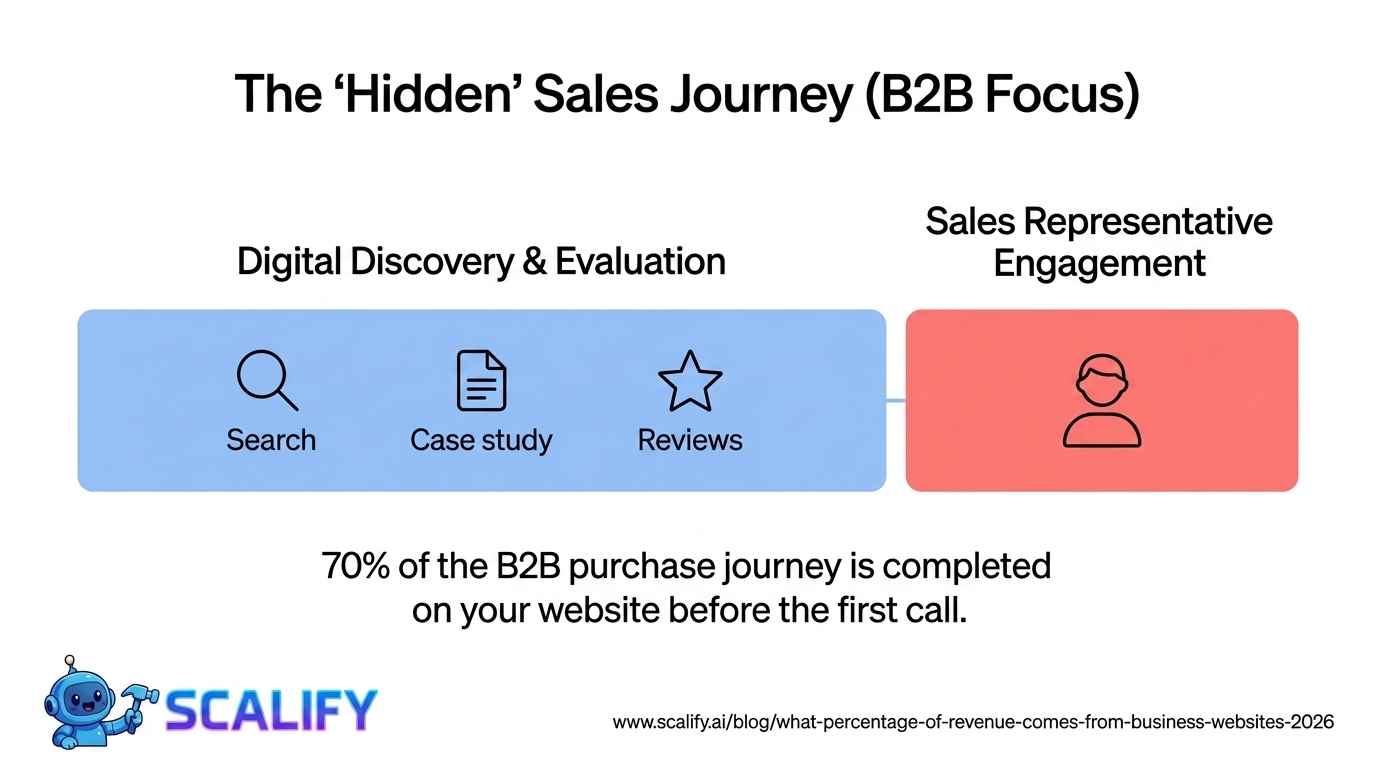
Prospects evaluating whether to hire a service provider frequently do research before making contact. A business with a comprehensive blog covering their industry — demonstrating deep expertise across dozens of topics — presents differently than a business with only a homepage and services page.
The implicit reasoning: a business that has written 100 thoughtful articles about web design either knows a lot about web design or has invested significantly in appearing as though they do. Either way, they've demonstrated a level of commitment and knowledge that a business with no published content hasn't.
Blog content serves as credential evidence: it shows expertise before any conversation happens, building the trust that makes first contacts more productive and conversion rates higher.
3. Lead Generation and Conversion
Blog posts attract visitors who are researching problems your business solves. A person searching "how much does a custom website cost" and finding your comprehensive guide to website pricing is a prospect — they're actively researching the decision you want them to make.
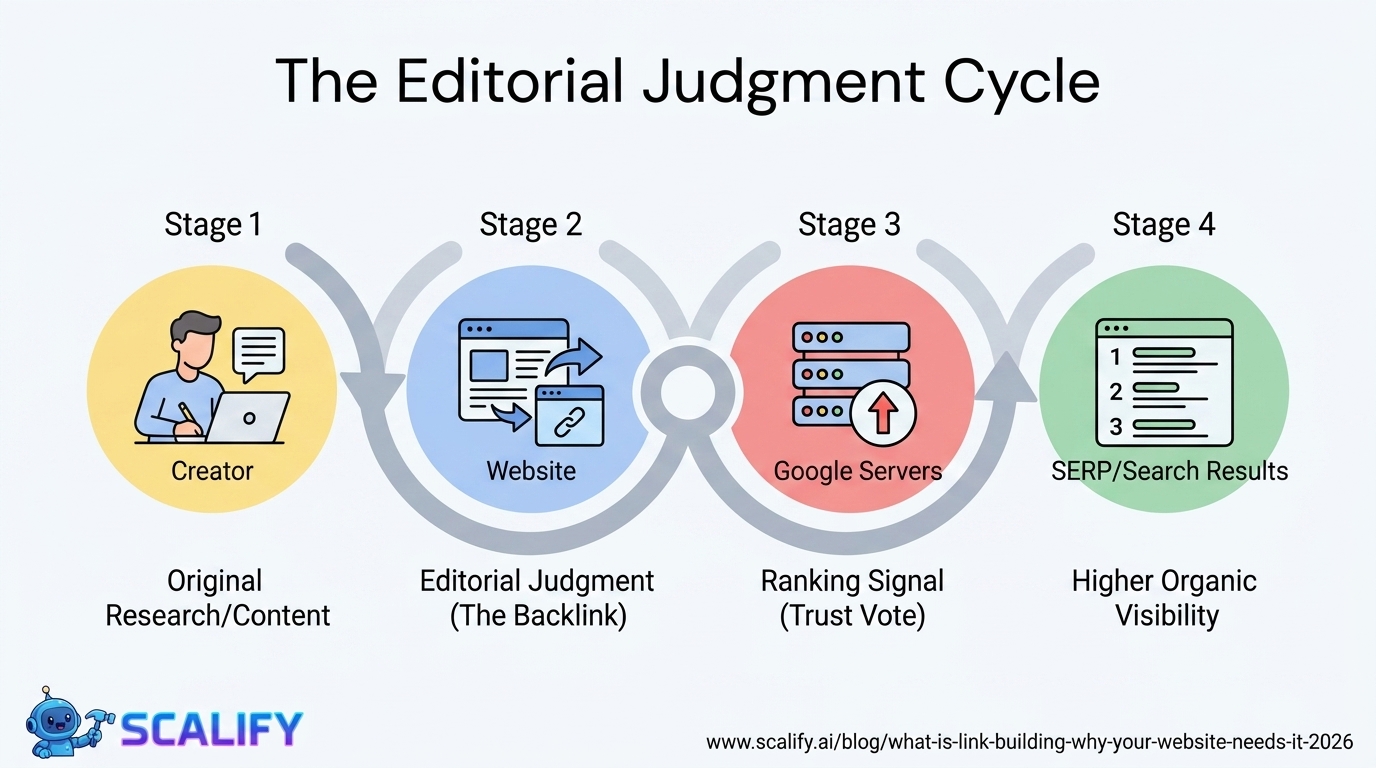
A blog post that answers their question thoroughly, demonstrates your expertise, and offers a clear next step (free consultation, contact form, lead magnet) converts a search query into a potential client. This is the funnel: search intent → blog post → trust building → conversion path → lead.
Blog posts also feed email list building (lead magnets, inline subscription forms) and social media content (posts linking back to blog content), creating multiple downstream benefits from a single content investment.
What Makes a Business Blog Work (vs. Fail)
Keyword-Targeted Topics
The most common reason business blogs don't generate traffic: they're written about what the business wants to talk about rather than what people are searching for. A law firm that writes "Our Thoughts on Recent Regulatory Changes" produces content that interests only people already following the firm. A law firm that writes "What Happens If You Miss a Tax Filing Deadline: Penalties, Options, and What to Do Next" produces content that ranks for queries people are actively searching when they're in exactly the situation the firm handles.
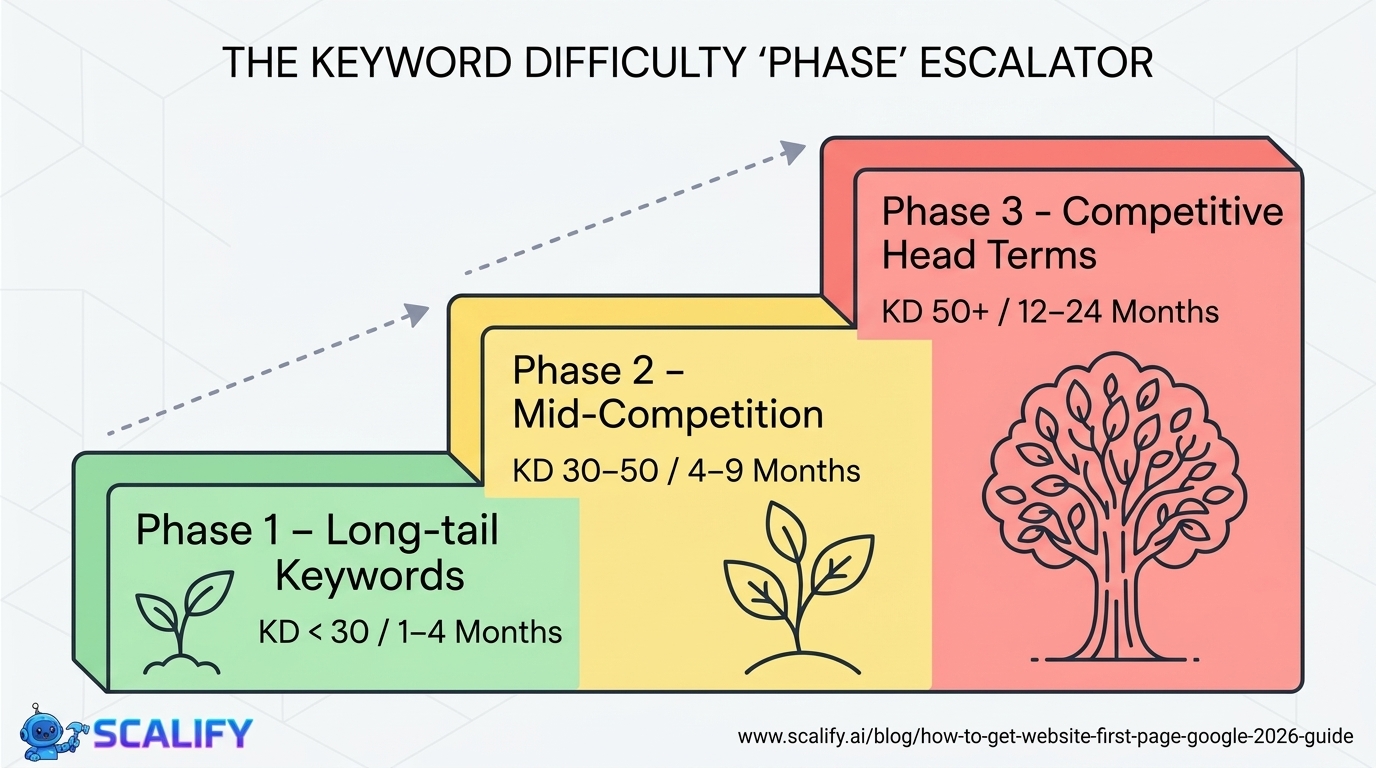
Keyword research is the prerequisite to effective blog content. Before writing any post, verify that people are searching for the topic (search volume exists), that the searcher intent matches content you can create (informational intent, not transactional), and that ranking is plausibly achievable (keyword difficulty is appropriate for your domain's authority).
Genuine Depth and Expertise
Thin blog content — 300-word summaries that barely address the topic — neither ranks well nor converts visitors into clients. Google's quality assessments have become sophisticated at identifying content that comprehensively addresses a topic versus content that skims it for keywords. Comprehensive, specific, expert-level content consistently outranks thin content for competitive queries.
The depth requirement also serves the trust-building function: a blog post that demonstrates genuine expertise — specific knowledge, real insight, actionable guidance — builds far more credibility than a generic surface-level overview that could have been written by anyone.
Consistent Publishing
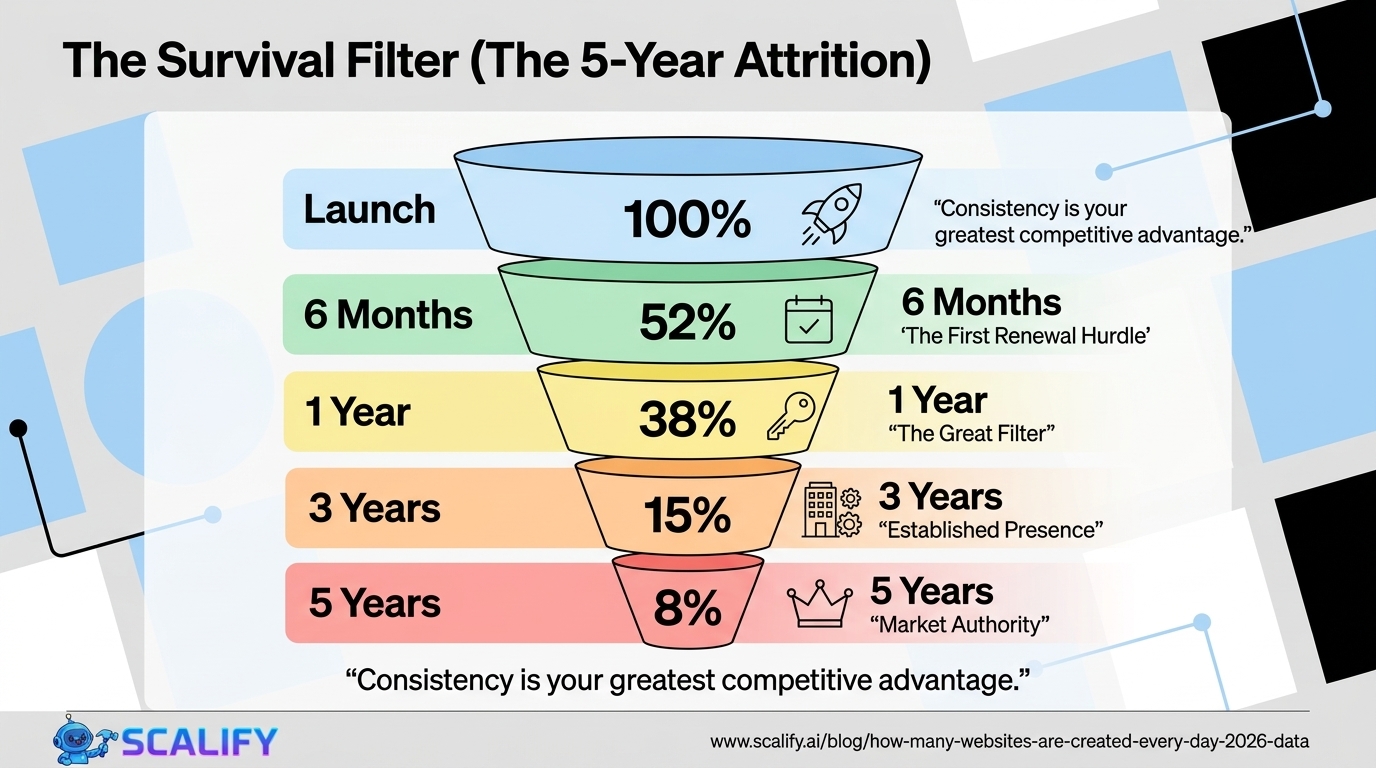
A blog with 10 posts published over two years doesn't build topical authority. A blog with 200 posts covering a topic area comprehensively does. Consistency of publishing matters for both the algorithmic signal (Google favors sites with regularly updated content) and the accumulated coverage (the 200th post on a topic is easier to rank because the site has established topical authority through the previous 199).
The right publishing frequency is the fastest pace you can sustain while maintaining quality. One excellent post per week consistently beats four mediocre posts per week. Quality and consistency together beat either quality or consistency alone.
Clear Conversion Architecture
A blog post without a conversion path captures attention but produces no business outcome. Every blog post should have: a relevant CTA aligned with the post's topic, internal links to related content that continues the visitor's journey, and optionally an email capture offer related to the post's subject.
The conversion shouldn't be aggressive — a blog post audience is in research mode, not buying mode. But a visible, relevant next step ("If you're considering a website redesign, see how our process works") captures the visitors who read the post and are ready to explore further.
Blog Content Strategy: What to Write About
Effective business blog content typically falls into several categories:
Educational/How-To: Teaching readers how to accomplish something related to your business area. "How to write effective website copy," "How to choose a web design agency," "How to optimize images for website speed." High search volume, builds expertise, attracts prospects who are doing or planning to do something you can help with.
Explainer/What Is: Defining concepts, terms, or processes your prospects need to understand. "What is a CMS?" "What is domain authority?" "What is a conversion rate?" These posts capture informational intent traffic and educate prospects who may not yet know they need your service.
Comparison: Evaluating options prospects are considering. "Webflow vs. WordPress," "Agency vs. freelancer vs. DIY website," "Custom website vs. template." High commercial intent — the person is actively evaluating options and you're providing the guide they need.
List/Roundup: "10 things your website needs before launch," "7 website mistakes costing you leads," "Best tools for website analytics." Highly shareable, often ranked well for specific queries, and demonstrates breadth of knowledge within a topic area.
Case Studies and Narratives: Real stories of client work, challenges solved, or processes demonstrated. These posts serve as both SEO content (ranking for specific queries) and trust-building content (demonstrating real-world expertise and results).
Industry News and Commentary: Timely content about developments in your industry. Lower long-term SEO value (news ages quickly) but provides fresh content signals, demonstrates current awareness, and can capture traffic from trending searches in the short term.
Blog SEO: Making Every Post Rank
Each blog post should be individually optimized for the keyword it targets:
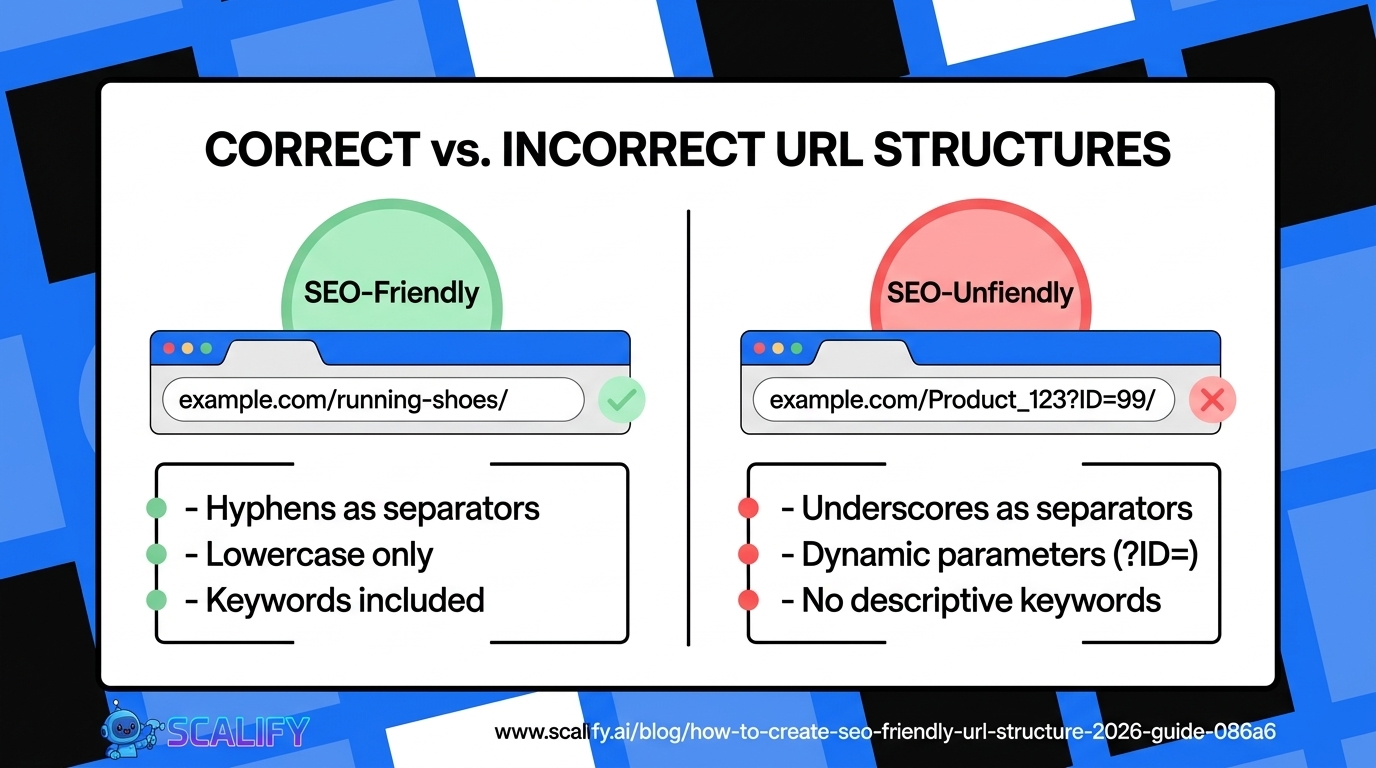
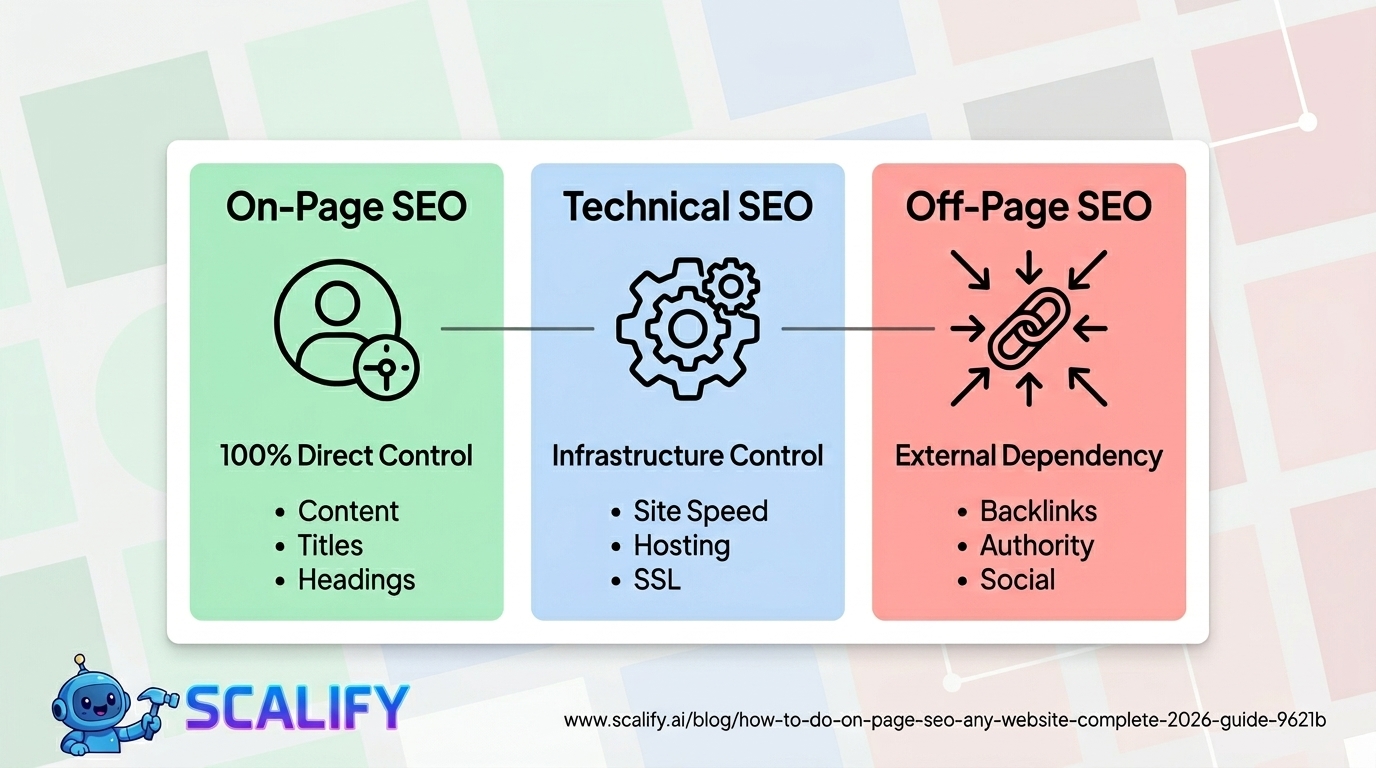
Title tag: Include the primary keyword. Under 60 characters. Compelling enough to earn the click from search results. Often matches or closely resembles the post's H1 headline.
H1 heading: Clearly describes the post topic with the primary keyword. One per post.
Subheadings (H2/H3): Structure the content clearly. Include secondary keywords and related terms naturally where they fit the content.
Content depth: Cover the topic comprehensively — more thoroughly than the posts currently ranking for the keyword. What angles, questions, or aspects are the current top-ranking posts missing?
Internal links: Link to relevant other posts and pages on your site. This passes link equity between posts, helps Google understand your content hierarchy, and keeps visitors exploring your site.
Meta description: Write a compelling, specific description that includes the keyword and provides a reason to click. Under 155 characters.
Publish date: For time-sensitive topics, showing a recent publication or update date in search results increases click-through rate. Update older posts when content becomes outdated.
Measuring Blog Performance
Track blog performance through Google Analytics (organic traffic per post, pages per session, time on page, conversion rate) and Google Search Console (impressions and clicks per query, average position).
Key metrics to watch:
- Organic traffic per post (are posts ranking and receiving traffic?)
- Top-performing posts by traffic (what content types and topics get the most visibility?)
- Posts in positions 11–30 (these are closest to page 1 and worth optimization investment)
- Lead/conversion attribution (which posts are converting organic visitors into contacts?)
The posts generating the most organic traffic deserve additional attention: update them to keep them fresh, link to them from other posts and pages, and consider creating related posts that expand the content cluster around the same topic area.
The Bottom Line
A business blog is one of the highest long-term ROI marketing investments available — it builds organic search presence, establishes expertise, generates qualified leads, and compounds in value over time. The blogs that work aren't personal diaries; they're systematic content programs targeting specific search queries with genuinely useful, expert-level content and clear conversion paths.
Start with keyword research, not brainstorming. Write for depth and specificity, not volume and thin coverage. Publish consistently over years, not sporadically over weeks. Build conversion paths into every post. Measure what's working and double down on it.
Every website built by Scalify includes a properly structured blog section — fast, SEO-ready, with CMS integration that makes publishing new content simple — because the blog is one of the highest-value long-term investments in your digital presence, and it needs the right foundation to work.
Putting It All Together: The Strategic Perspective
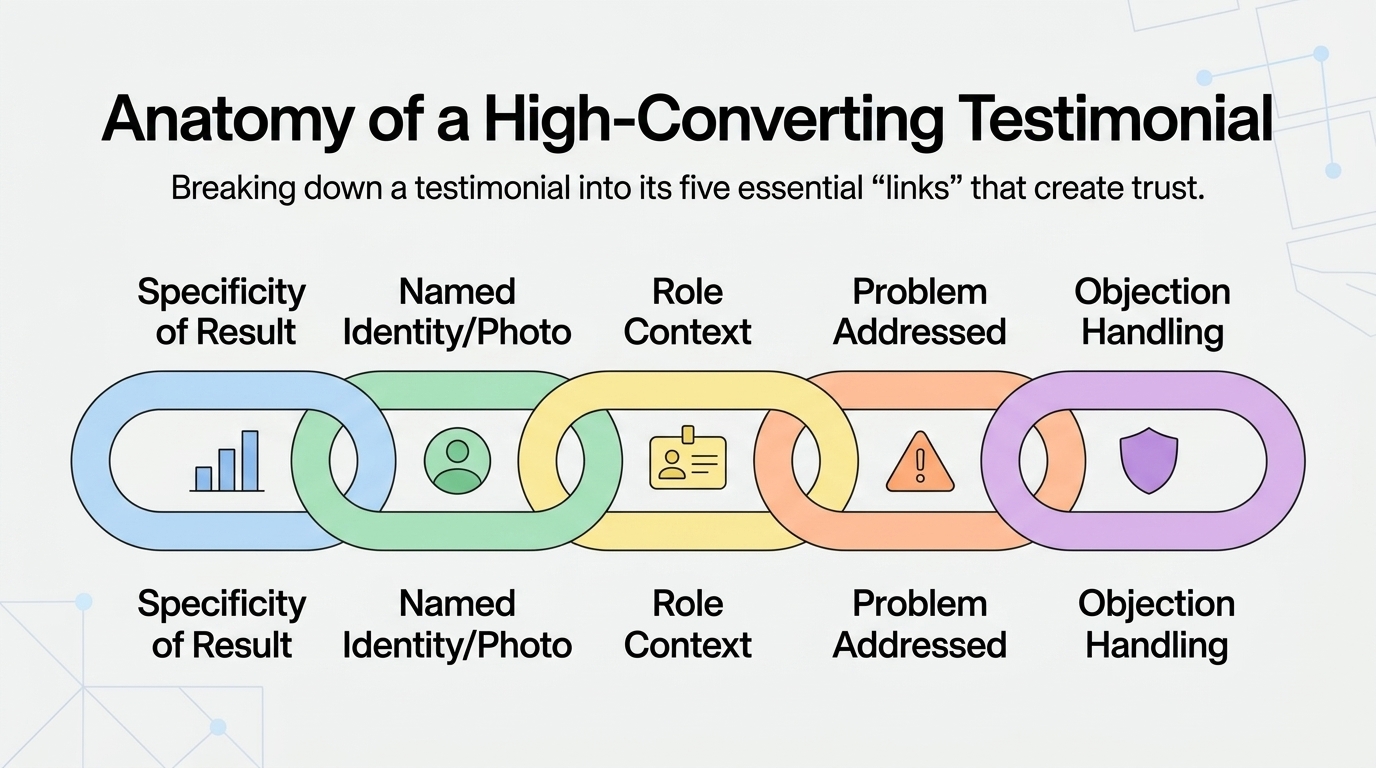
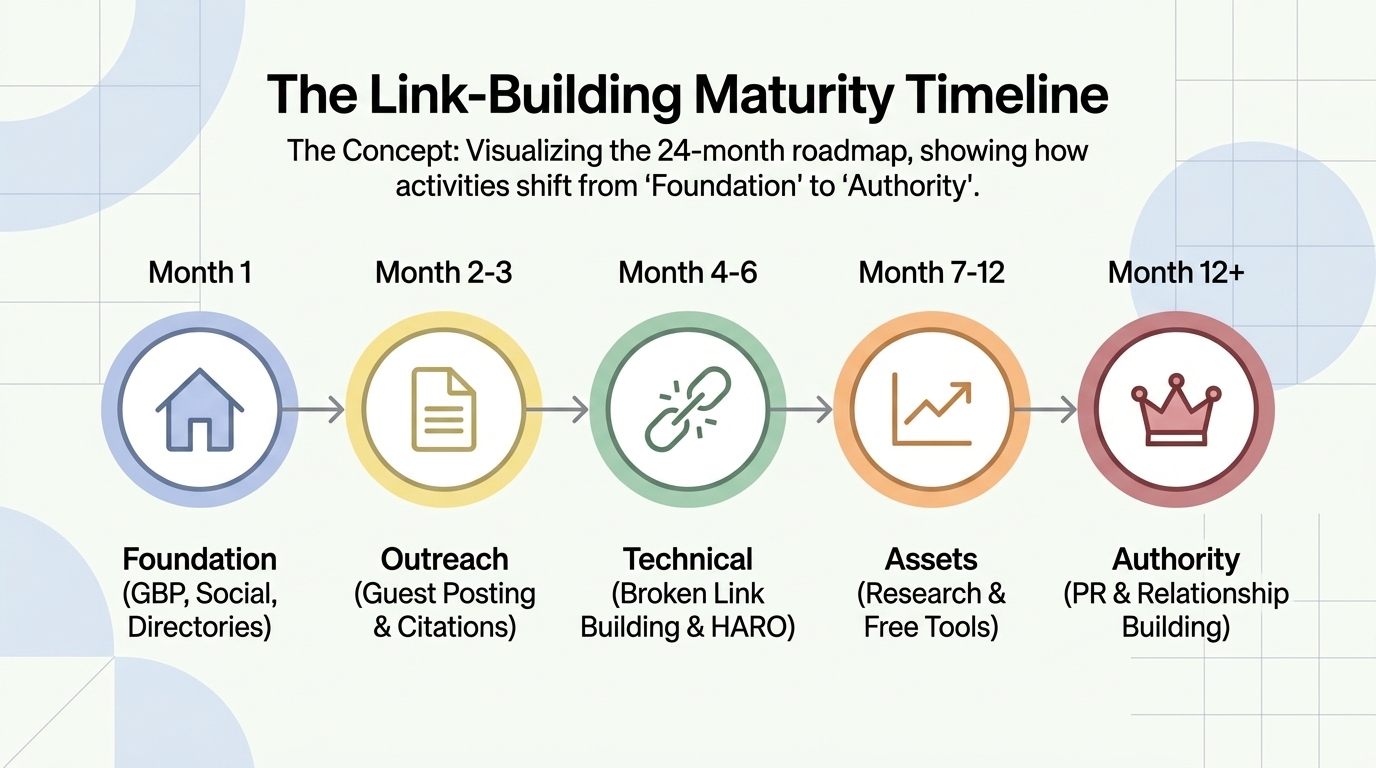
The most important takeaway from any technical or strategic guide is that individual tactics only produce results when they're embedded in a coherent strategy and executed consistently. A single well-optimized page, a single great testimonial, or a single speed improvement produces modest impact. The same investments compounded over 12–24 months — more optimized pages, more testimonials placed strategically, systematic performance maintenance — produce the compounding returns that separate high-performing websites from average ones in the same competitive landscape.
Every improvement documented in this guide is most valuable when it's implemented as part of a systematic, data-driven approach: measure current performance, identify the highest-impact opportunity, implement the improvement, measure again, and iterate. The businesses that achieve exceptional digital marketing results are almost never those who found a single breakthrough tactic — they're those who executed fundamentals consistently, measured what worked, and allocated their resources toward the highest-ROI improvements available at each stage of the








.jpeg)
.jpeg)




78 SW 7th St, Miami, FL 33130