


What Is a Website Chat Widget and Should You Add One?
By Josh Ternyak

April 1, 2026
Comprehensive guide: What Is a Website Chat Widget and Should You Add One?
The Conversation That Can Make or Break a Lead
Somewhere right now, a visitor is on your website with a question that's preventing them from converting. Maybe they want to know if you serve their specific industry. Maybe they have a question about your timeline. Maybe they saw your pricing page and want to understand what's included before filling out a contact form.
Without a chat widget, that visitor navigates to your contact page, sees a form that feels like a commitment, and leaves to find a competitor whose website answered their question or whose chat widget let them ask it directly. With a chat widget, the same visitor types their question, gets an immediate answer, and converts — often within the same session.
This is the case for chat on websites. But chat also has real costs: performance impact, operational requirements, poor experiences when unmanned, and chatbot implementations that feel robotic and actually harm conversion rather than help it. The decision isn't whether chat is good or bad — it's whether chat is right for your specific situation and whether you can implement it well.
What a Website Chat Widget Is
A website chat widget is an interface element — typically a small icon or button in a corner of the screen — that enables visitors to communicate with your business in real-time or near-real-time directly from your website. When clicked, it opens a chat interface where the visitor can type messages.
There are two fundamentally different types of website chat:
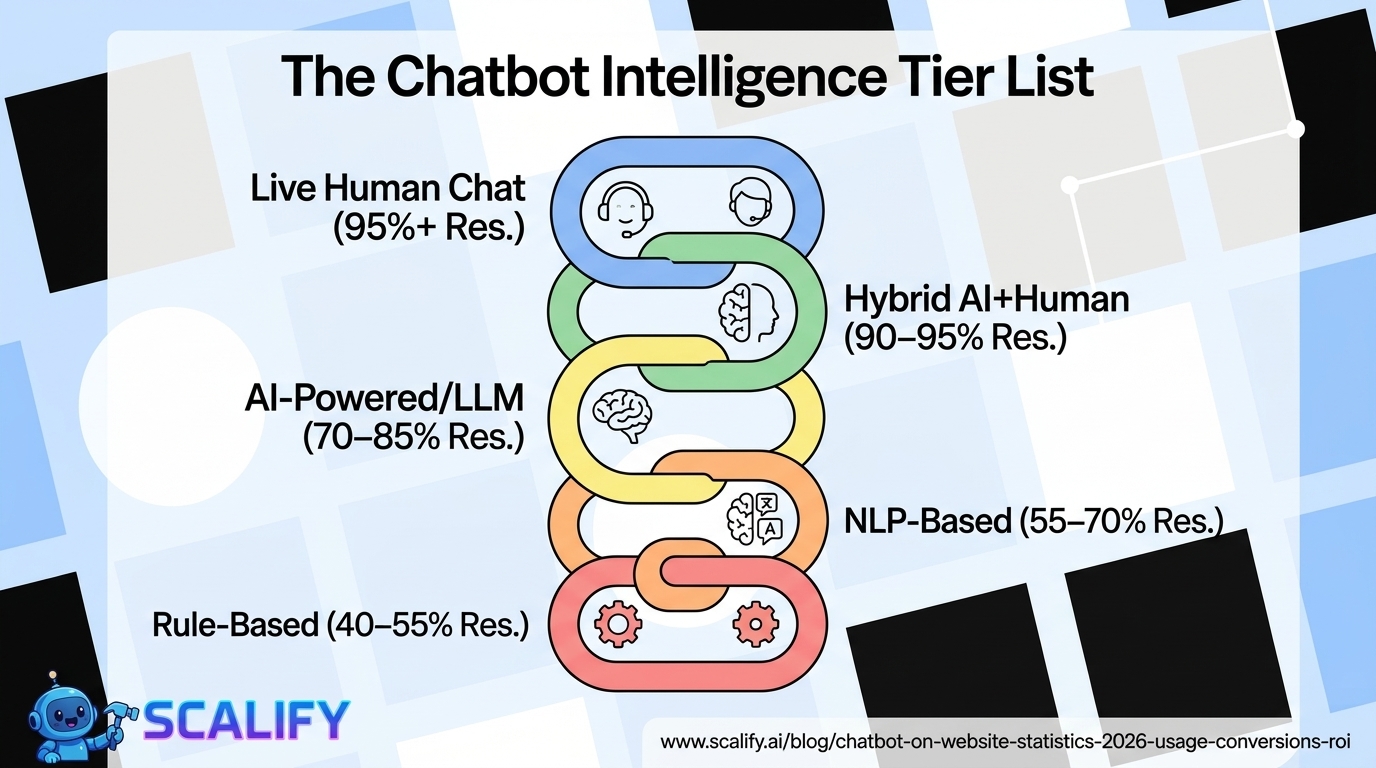
Live chat: Real humans on your team respond to chat messages. Visitors are talking to a person. Response times depend on staff availability. When agents are offline, messages can be stored for later follow-up (like a contact form) or the chat can show as "offline" or "leave a message."
Chatbot / AI chat: Automated responses from a scripted or AI-powered bot. Available 24/7 without staffing. Quality ranges from rule-based "if user says X, show response Y" scripted bots (often frustratingly limited) to sophisticated AI-powered assistants (increasingly capable, particularly with GPT-4 and similar models). Can qualify leads, answer common questions, schedule appointments, and in sophisticated implementations, handle a significant portion of pre-sales conversations.
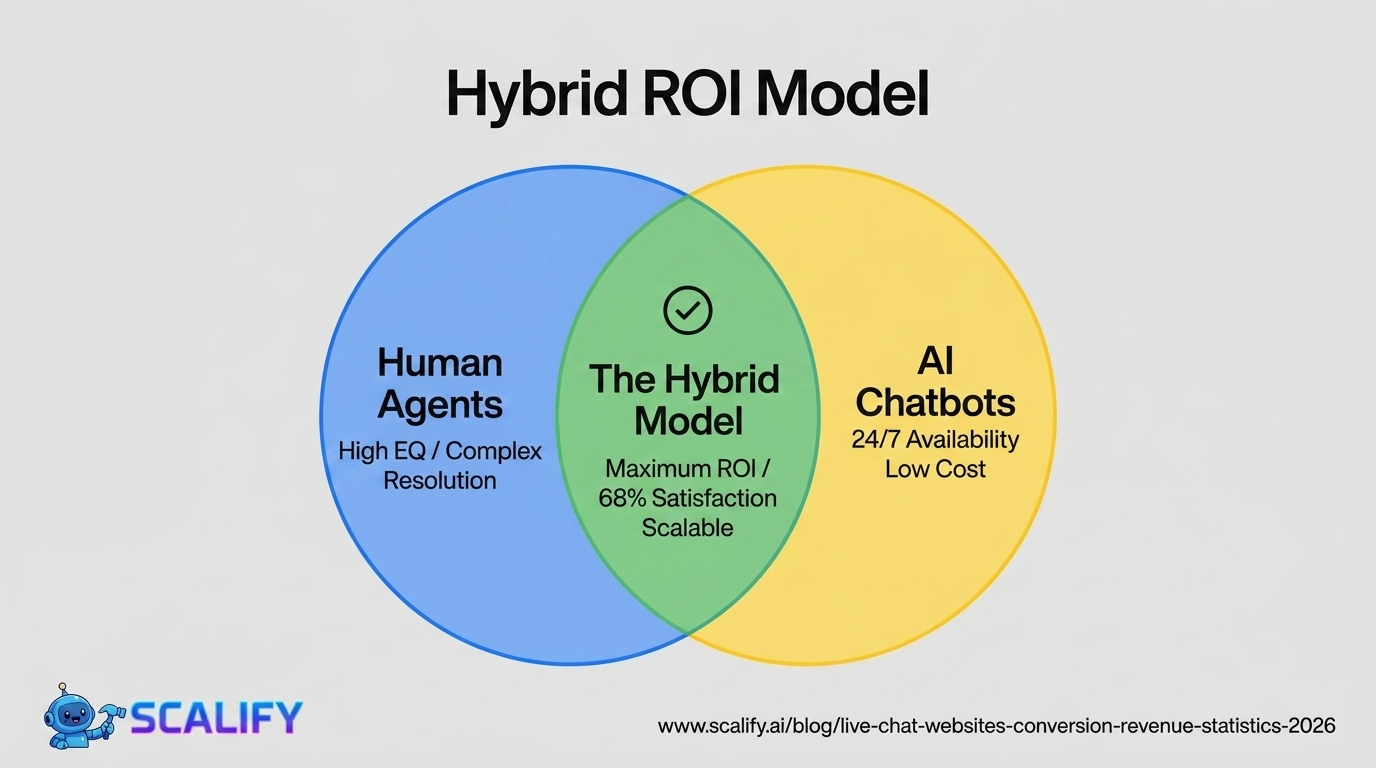
Hybrid: The most common professional implementation — an AI bot handles initial interactions and common questions, escalating to a human agent when the conversation requires it or when an agent is available.
The Case For Adding Chat
Catching High-Intent Visitors at Peak Moment
The visitor who types a question in a chat widget is expressing the highest level of active intent on your website. They want an answer right now, they're willing to engage, and they're close to a decision. A prompt, helpful response at this moment converts significantly higher than the same visitor being told to "fill out this form."
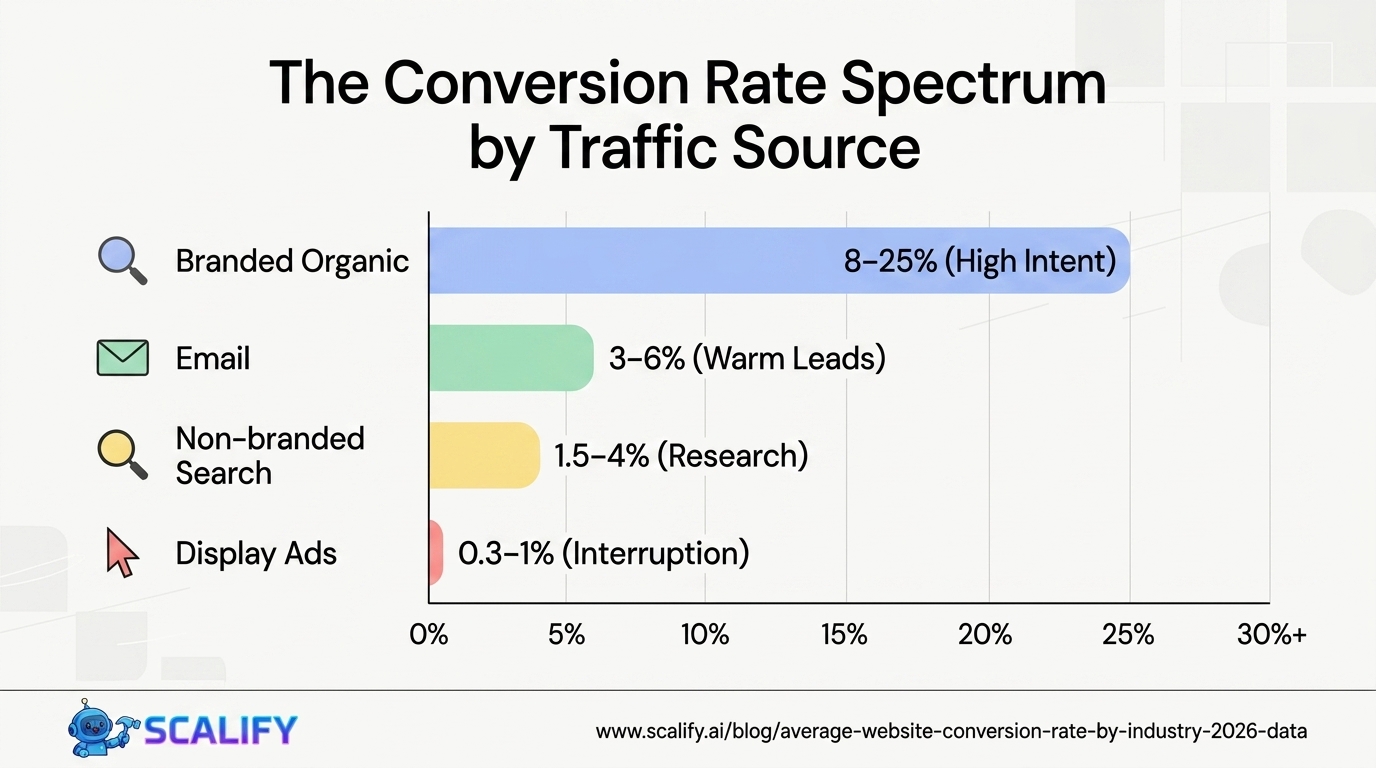
The conversion data across multiple studies: live chat typically has 3–5× higher conversion rates than forms for the same traffic. This isn't because chat produces better qualified leads — it's because chat captures the intent at the highest-interest moment rather than requiring a commitment action that many visitors won't take.
Answering the Questions That Prevent Conversion
Chat widgets are particularly effective for businesses where visitors have common questions that aren't answered on the website. "Do you work with restaurants?" "Can you start in two weeks?" "Is there a minimum contract?" "Do you work with businesses outside the US?" These are questions that block conversion when unanswered and immediately unlock it when answered well.
Reviewing your chat transcripts after a few weeks reveals the questions visitors are actually asking — which is more valuable than any amount of guessing about what your website is missing. Those top questions become FAQ page content, services page additions, and priority content for reducing pre-chat friction.
Customer Support and Satisfaction
For businesses with existing customers, chat dramatically improves support satisfaction. Most customers prefer real-time chat to email for support — it's faster, more conversational, and feels more personal. Customer satisfaction scores consistently increase when businesses add live chat to their support channels.
The Case Against Adding Chat (Or for Being Careful)
Performance Impact
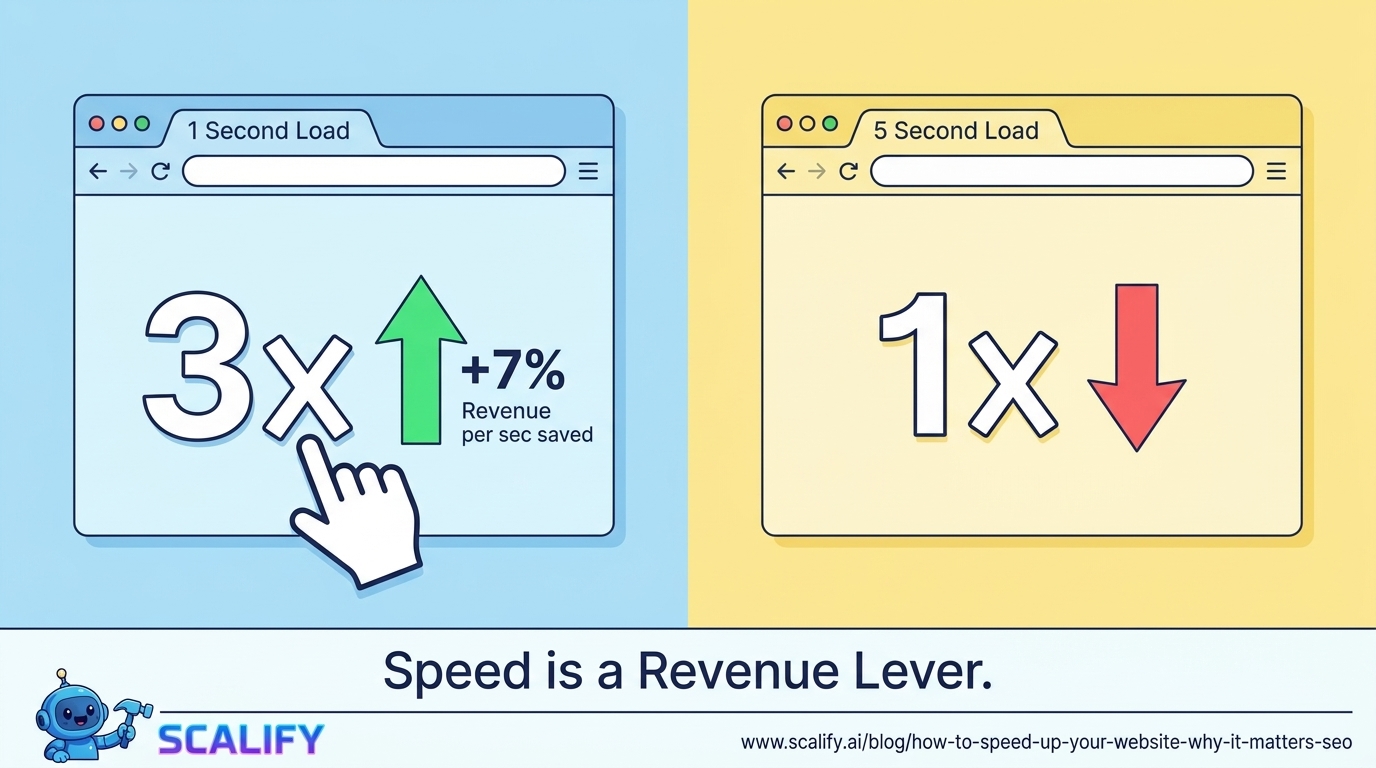
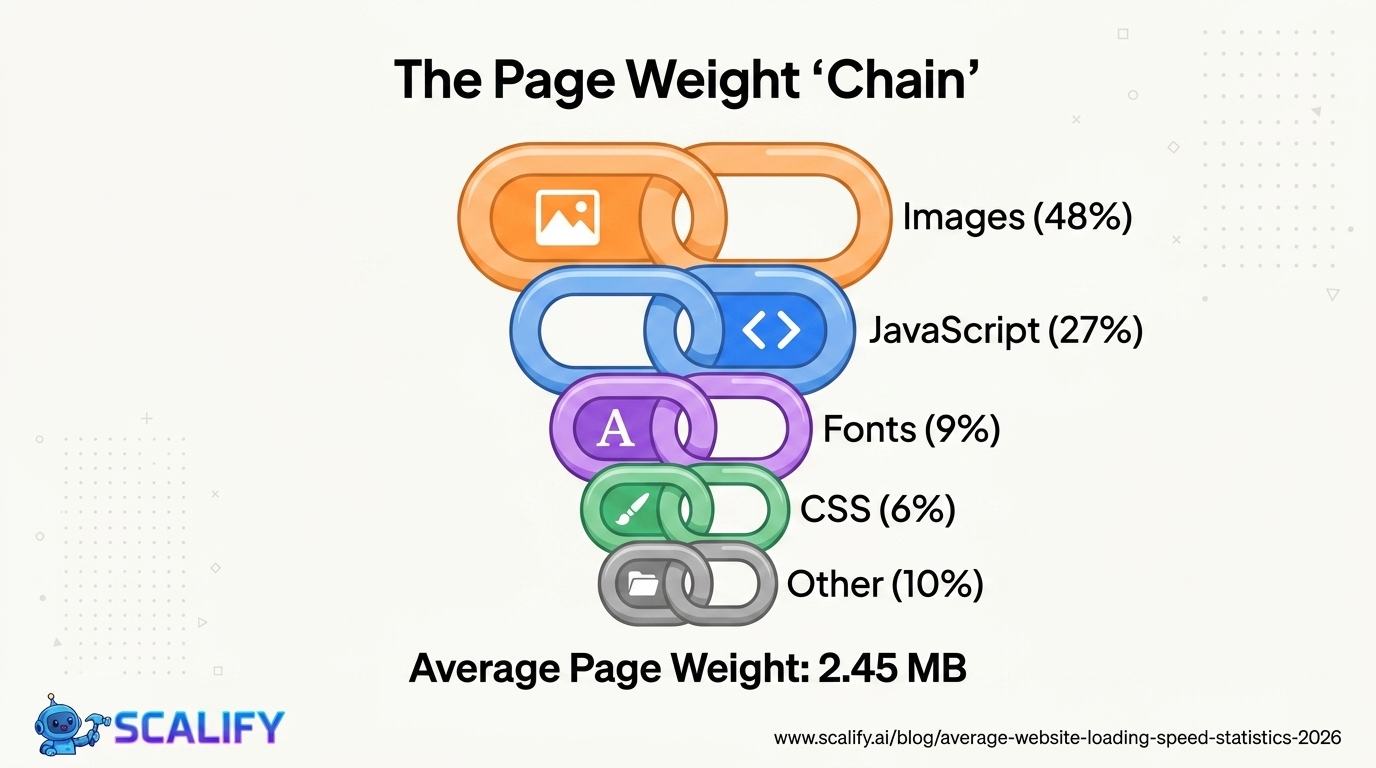
Chat widget scripts are third-party JavaScript that loads on every page. Most major chat platforms (Intercom, Drift, HubSpot Chat) load 200–500KB of JavaScript, adding 0.5–2 seconds to page load time on average connections. This performance cost affects Core Web Vitals, which affects rankings.
The performance calculation: does the conversion improvement from chat exceed the conversion loss from slower page loading? For high-converting chat implementations with significant lead volume, yes. For chat widgets that rarely get used, no.
Mitigation: lazy-load the chat widget script so it doesn't block initial page rendering, only loading when the user has been on the page for a few seconds or shows interaction intent. Most chat platforms support this configuration.
Operational Requirements for Live Chat
Live chat is only valuable if someone actually responds. A live chat widget that shows "Available" but takes hours to respond produces a worse experience than no chat at all — the visitor engaged, expected real-time response, and experienced delayed or no response. This actively damages trust.
Honest assessment before adding live chat: do you have the operational capacity to staff chat during business hours? Can you respond within 2–3 minutes during operating hours? If yes, live chat can dramatically improve conversion. If no, the widget should show as offline when unstaffed, use a chatbot to handle initial interactions, or be removed entirely.
Chatbot Quality Is Critical
A poorly implemented chatbot is worse than no chat. A bot that misunderstands questions, provides irrelevant canned responses, or forces visitors through unnecessary scripted flows while refusing to answer direct questions actively frustrates visitors and can drive away leads who would otherwise have converted through a form.
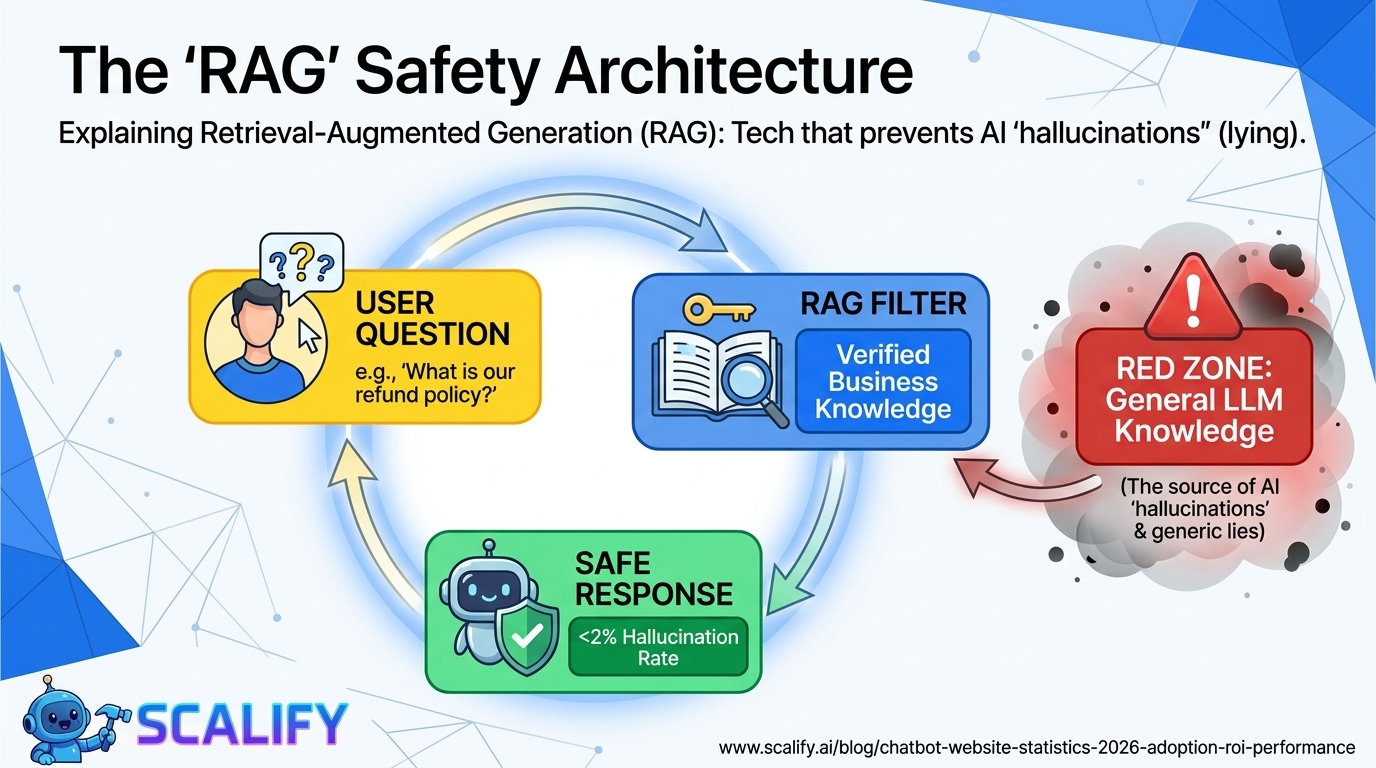
The chatbot quality bar has risen significantly with AI-powered implementations. Modern AI chat that can genuinely understand and answer questions about your business (trained on your documentation and FAQs) provides meaningfully better experiences than rule-based bots from 2015–2020.
Chat Platforms: The Major Options
Intercom ($74–$499+/month)
The most comprehensive customer messaging platform — combines live chat, AI chat, email, help center, and product tours in one system. Used by thousands of software companies and professional services businesses. Intercom's Fin AI chatbot (powered by GPT-4) can handle complex questions by drawing on your help documentation.
Best for: SaaS companies, professional services businesses, and any organization with significant customer support volume where investment in a comprehensive platform is justified.
Drift ($2,500+/month)
Positioned as a "conversational marketing" platform with emphasis on qualifying leads through chatbot conversations before routing to sales. Expensive but powerful for enterprise B2B businesses with long sales cycles where qualifying leads before human engagement matters.
HubSpot Chat (Free with HubSpot CRM)
Included in HubSpot's free CRM tier. Functional live chat and basic chatbot capabilities integrated directly with HubSpot's contact database. Every chat conversation is automatically logged to the visitor's contact record if they're identified. Best for teams already using HubSpot for CRM — the integration value is substantial.
Tidio ($0–$49+/month)
Strong free tier with basic live chat and chatbot functionality. Good option for small businesses testing chat without significant financial commitment. AI-powered Lyro chatbot available on paid plans. User-friendly interface, good mobile app for responding on the go.
Crisp ($0–$95+/month)
Free tier includes live chat for 2 agents. Paid plans add chatbots, email integration, and team features. Popular among small businesses and startups for its clean interface and functional free tier.
tawk.to (Free)
Completely free live chat tool — they monetize through optional paid services (hiring chat agents from their marketplace). Functional for basic live chat needs. Best for businesses with a strict zero-cost requirement for the chat tool itself.
Implementing Chat Effectively
Define the Goal First
What specific outcome do you want chat to produce? Lead generation (capture visitors who won't fill out a form)? Customer support (reduce email load, improve satisfaction)? Qualification (determine if leads are a good fit before investing sales time)? The goal determines which type of chat, which platform, and what conversations the chat should facilitate.
Configure for Your Staffing Reality
If live chat is only staffed during business hours, configure the widget to accurately reflect availability:
- Show online status only when agents are actually available
- Provide offline messaging (form-like functionality when no agents are available)
- Set realistic response time expectations ("We typically respond within 4 hours")
- Consider a chatbot for initial interaction regardless of agent availability
Design Your Chatbot Flow Carefully
If using a scripted chatbot, map out the conversation flows for your most common visitor questions. Each flow should: answer the question the visitor actually asked, provide a clear path to speak with a human if needed, capture contact information when appropriate without requiring it as a prerequisite for help.
The worst chatbot mistake: requiring the visitor to provide their email before the bot will answer a single question. This immediately signals that the "chat" is really a lead form in disguise — and many visitors reject it.
Don't Open the Chat Proactively on Entry
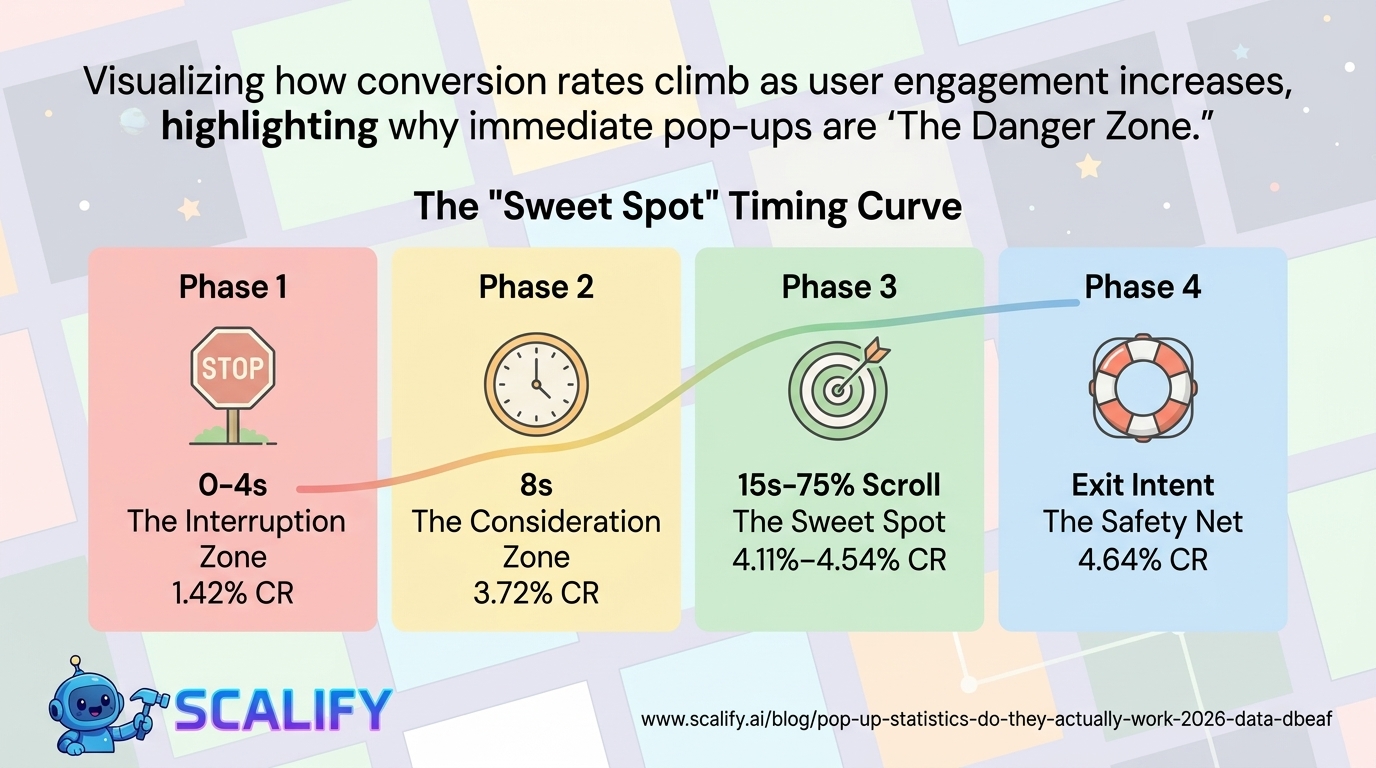
Auto-triggered chat messages that appear immediately when a visitor lands ("Hi! How can I help you today?") are the popup equivalent for chat — frequently irritating and often closed immediately. Trigger proactive chat only after demonstrated engagement: after 60–90 seconds on a page, after visiting 3+ pages, or when a visitor is on the pricing page for over 45 seconds (high intent signal).
Minimize Performance Impact
Load the chat widget asynchronously (after the main page content). Most chat platforms have a "defer loading" configuration that prevents the widget script from blocking page rendering. Run PageSpeed Insights before and after adding chat — if the score drops significantly, investigate the loading approach rather than accepting the performance penalty.
Measuring Chat Performance
Metrics that matter for chat ROI assessment:
- Conversations per month (total chat volume)
- Conversion rate from chat conversations (what percentage of chats result in leads/sales)
- Leads generated through chat (absolute volume)
- Chat-to-close rate (if tracking further down the funnel)
- Customer satisfaction scores (CSAT) for support chat
- Average response time for live chat (quality signal)
Compare chat-generated leads against other lead sources to understand relative quality. Chat leads are often high-intent but may not always be as qualified as form submissions that required more deliberate commitment.
The Bottom Line
Chat widgets increase conversion rates for businesses where visitors have common questions that prevent commitment, where someone can actually staff the chat responsively, or where a well-implemented AI chatbot can handle initial interactions effectively. They're not universally beneficial — performance costs, operational requirements, and poor chatbot implementations can create as many problems as they solve.
The right approach: decide whether your business has the questions/sales process that makes chat valuable, assess whether you can implement it well (staff it or build a quality bot), choose a platform that fits your scale and budget, measure rigorously, and remove it if it's not producing ROI that exceeds its performance cost.
At Scalify, chat integration is available as part of any website build — implemented with attention to performance impact and proper configuration rather than as a default add-on that creates more problems than it solves.
Putting It All Together: The Strategic Perspective
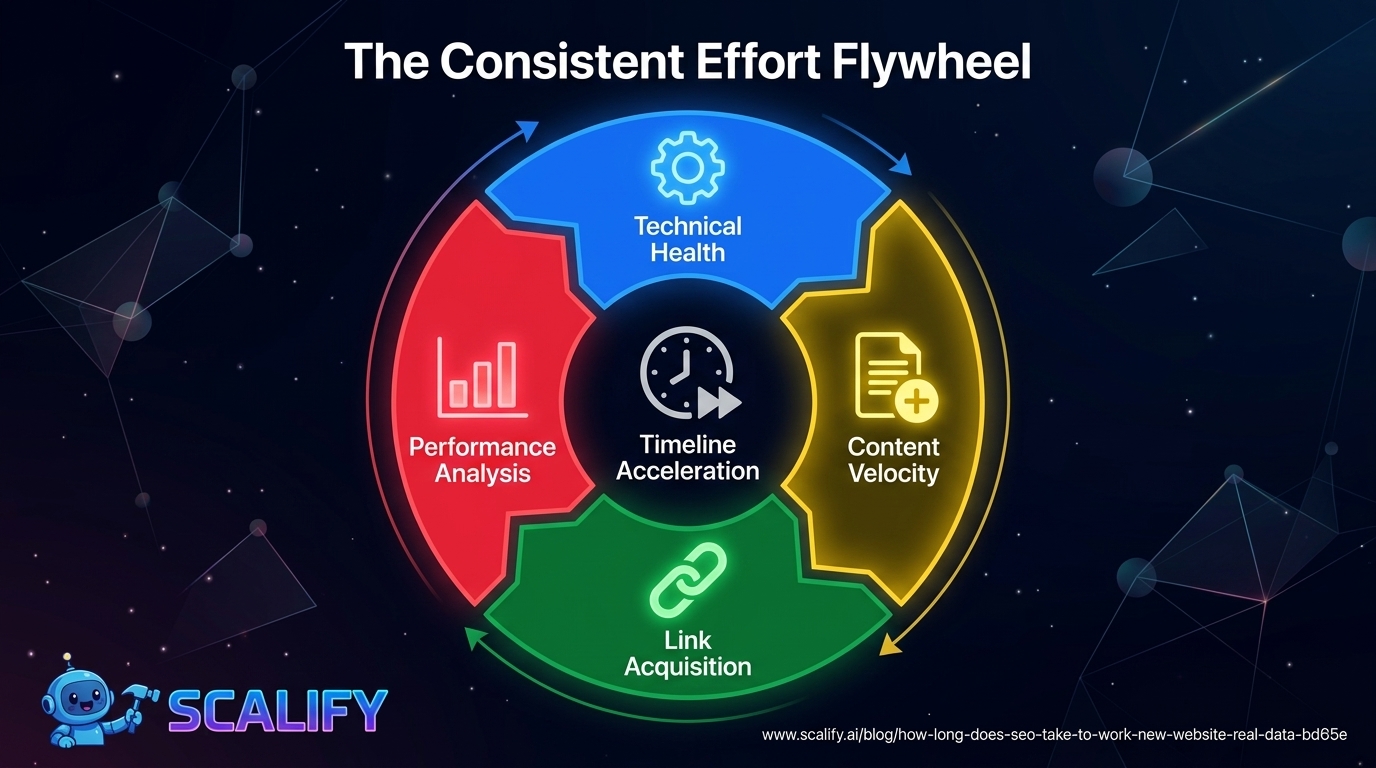
The most important takeaway from any technical or strategic guide is that individual tactics only produce results when they're embedded in a coherent strategy and executed consistently. A single well-optimized page, a single great testimonial, or a single speed improvement produces modest impact. The same investments compounded over 12–24 months — more optimized pages, more testimonials placed strategically, systematic performance maintenance — produce the compounding returns that separate high-performing websites from average ones in the same competitive landscape.
Every improvement documented in this guide is most valuable when it's implemented as part of a systematic, data-driven approach: measure current performance, identify the highest-impact opportunity, implement the improvement, measure again, and iterate. The businesses that achieve exceptional digital marketing results are almost never those who found a single breakthrough tactic — they're those who executed fundamentals consistently, measured what worked, and allocated their resources toward the highest-ROI improvements available at each stage of the



.jpeg)
.jpeg)

78 SW 7th St, Miami, FL 33130