


What Is a Website Conversion Funnel and How Do You Optimize It?
By Josh Ternyak

March 29, 2026
Every website visitor is on a journey — and most businesses have no idea where visitors are dropping off or why. This guide shows you how to map, measure, and systematically improve your conversion funnel.
The Journey From Stranger to Customer — and Where It Breaks
Your website is not visited by one type of person with one type of intent. Some visitors have never heard of your business. Some are actively comparing options. Some are ready to buy right now. Most are somewhere in between, in various stages of awareness, interest, and evaluation.
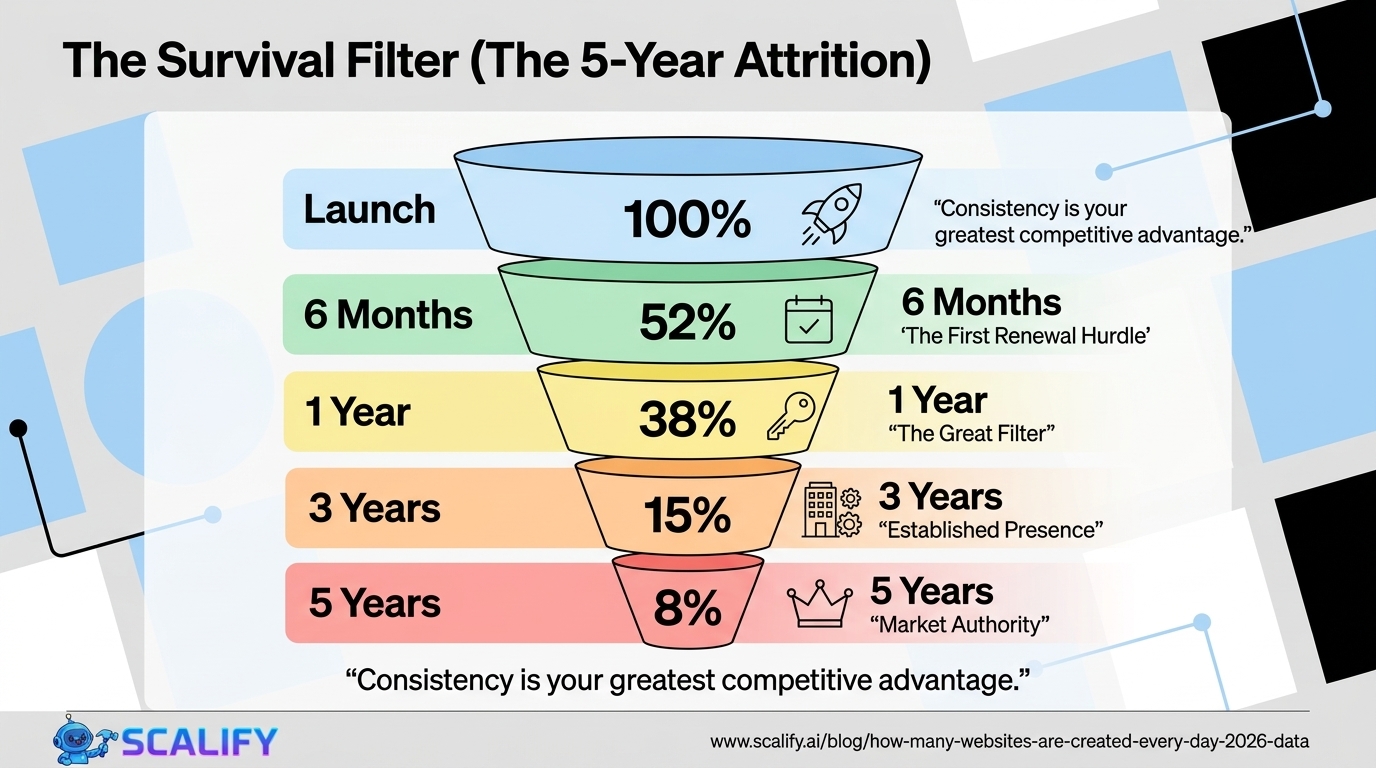
A conversion funnel maps the path these visitors take from their first contact with your brand to the moment they become customers. It's called a funnel because at each stage, some visitors drop off — the pool narrows as you move from broad awareness to specific action. Understanding where visitors drop off, and why, is one of the most powerful pieces of information available for improving website performance.
The businesses that consistently outperform their competitors on conversion rate aren't luckier or better at selling. They understand their funnel better. They know exactly which stage loses the most visitors, what's causing that dropout, and what specific changes reduce it. Then they make those changes, measure the results, and repeat.
What a Conversion Funnel Is
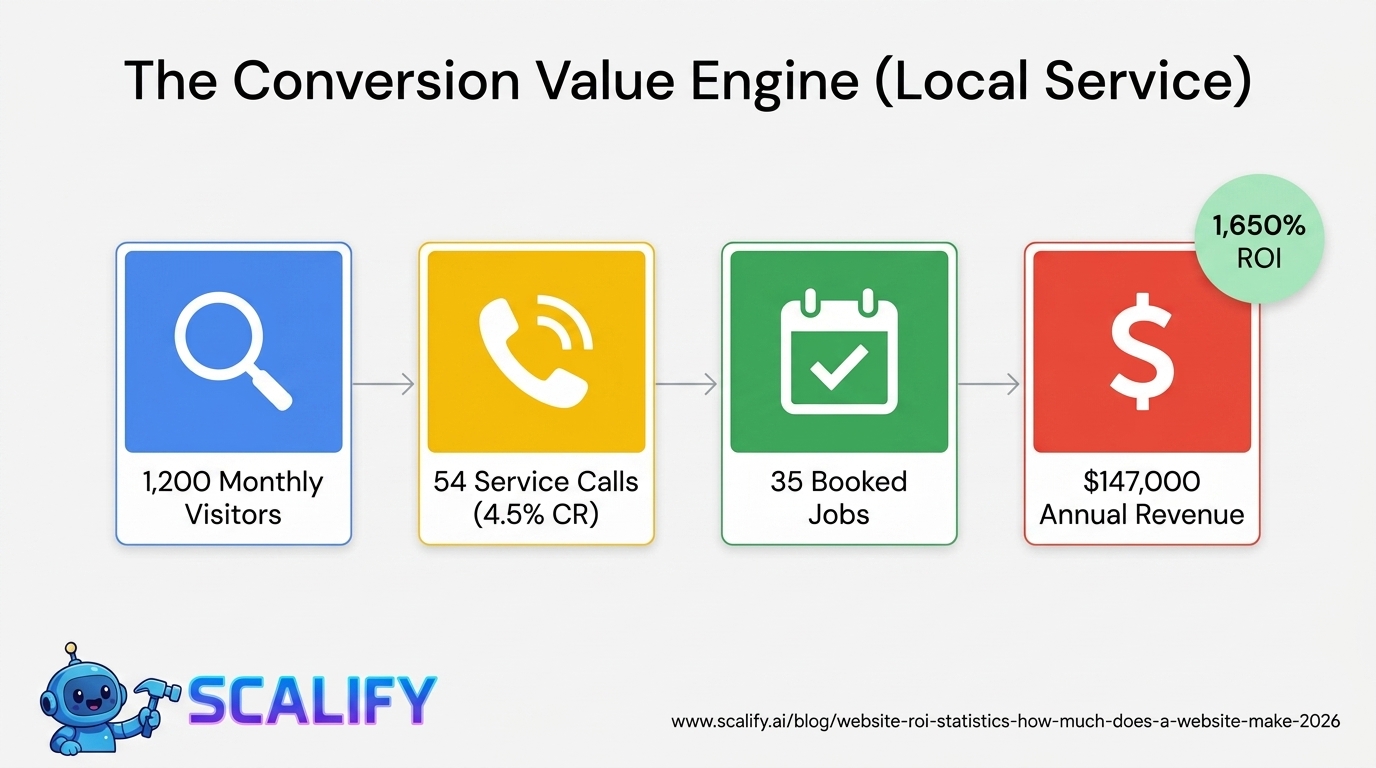
A conversion funnel is the sequence of steps a visitor takes from initial website arrival to completing a desired action — a "conversion." The name comes from the visual shape: many visitors enter at the top, progressively fewer make it through each stage, and a smaller subset reach the conversion at the bottom.
A basic conversion funnel for a service business:
- Visitor arrives at website (100 visitors)
- Visitor views the services page (40 visitors — 60% dropout)
- Visitor views the pricing or contact page (15 visitors — 62.5% dropout)
- Visitor begins filling out the contact form (8 visitors — 46.7% dropout)
- Visitor submits the contact form (5 visitors — 37.5% dropout)
From 100 visitors to 5 conversions = 5% overall conversion rate. But the detailed funnel view shows something aggregate metrics hide: the biggest dropout happens between arrival and services page engagement (60% dropout at step 1–2). Fixing that specific transition — getting more people from the homepage to the services page — would have more impact than fixing any other step.
This is the value of funnel analysis: it identifies where optimization effort has the highest return.
The Stages of a Conversion Funnel
Awareness Stage (Top of Funnel)
The visitor arrives. They may come from a Google search, a social media post, a referral link, a paid ad, or typing your URL directly. They have a problem or question that brought them here — or they're exploring based on someone's recommendation.
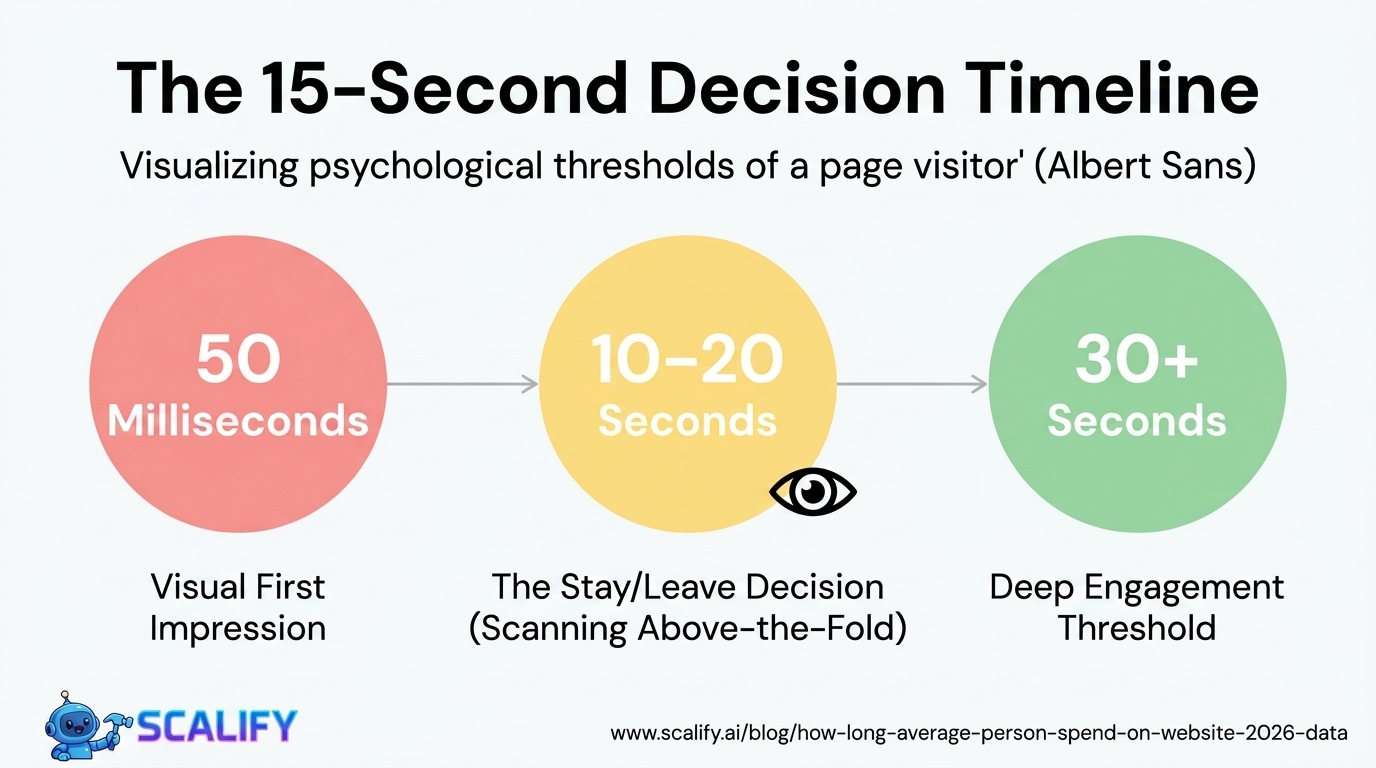
At this stage, the visitor's primary question is: "Am I in the right place?" They're evaluating relevance within seconds. Their decision to stay or leave is made primarily based on the above-fold experience — the headline, hero visual, and navigation within their immediate view.
What kills this stage: A vague headline that doesn't clearly communicate what the business does. A mismatch between what the ad or search result promised and what the landing page delivers. Slow loading that causes abandonment before any content is seen. Generic stock photography that signals lack of investment in the experience.
How to optimize: Clarity above all else. The headline must answer "what is this and why should I care?" within three seconds. Message match between traffic source and landing page. Fast loading. Relevant social proof visible in the hero.
Interest Stage
The visitor stays and begins exploring. They're reading content, navigating between pages, watching for evidence that this business can solve their problem. They're building an evaluation — does this company understand my situation? Do they have the capability to help me? Do I trust them enough to take a next step?
What kills this stage: Content that's too generic to demonstrate real understanding of the visitor's specific situation. Navigation that makes it hard to find relevant information. No clear hierarchy guiding where to look next. Content depth that's insufficient to answer real questions. Missing trust signals — no testimonials, no client evidence, no team behind the brand.
How to optimize: Specific, detailed content that signals genuine expertise. Clear internal linking to guide the visitor's journey. Rich social proof integrated throughout, not just on a dedicated page. Navigation that makes the most important destinations immediately accessible.
Evaluation/Consideration Stage
The visitor is now actively deciding whether your solution is right for them. They're comparing options (you vs. competitors, you vs. DIY, you vs. doing nothing), evaluating cost vs. value, and working through their specific objections. They may visit your site multiple times in this stage.
What kills this stage: No pricing information (forces visitors to contact before they're ready, many won't). No clear process information (uncertainty about what committing involves). Insufficient evidence of results (claims without proof). Unanswered objections (questions in the visitor's mind that the content doesn't address).
How to optimize: Transparent or approximate pricing with context. Clear process description. Case studies with specific, verifiable outcomes. FAQ content addressing common objections. Comparison content helping visitors understand why your approach is the right choice.
Intent Stage
The visitor has decided they want to proceed. Now they need a clear, easy path to take action. This stage is dominated by friction — any barrier between "I want to do this" and "I've done this" represents lost conversions from visitors who were already won.
What kills this stage: A contact form with too many required fields. A checkout with too many steps. An unclear or buried CTA. A broken form (surprisingly common — many contact forms break silently and nobody notices). Price shock at checkout after the price wasn't communicated earlier. Lack of trust signals at the point of commitment.
How to optimize: Minimal friction between intent and action. Fewest possible form fields. Clear, prominent CTAs. Trust signals (testimonials, guarantees) adjacent to the commitment moment. Transparent pricing to prevent checkout surprise. Confirmation that the action succeeded.
How to Set Up Conversion Funnel Tracking
In Google Analytics 4
GA4's Explore section contains a Funnel Exploration report. Building one:
1. Go to Explore → Create new exploration → Funnel exploration
2. Define the funnel steps — each step is a page view or event that marks the visitor's progress. Steps might be: Homepage → Services Page → Contact Page → Form Submission
3. Set the funnel as "open" (counts visitors who enter at any step) or "closed" (counts only visitors who started at step 1)
4. Configure the date range (minimum 30 days for statistical reliability)
5. View the resulting funnel showing visitor counts and dropout rates at each step
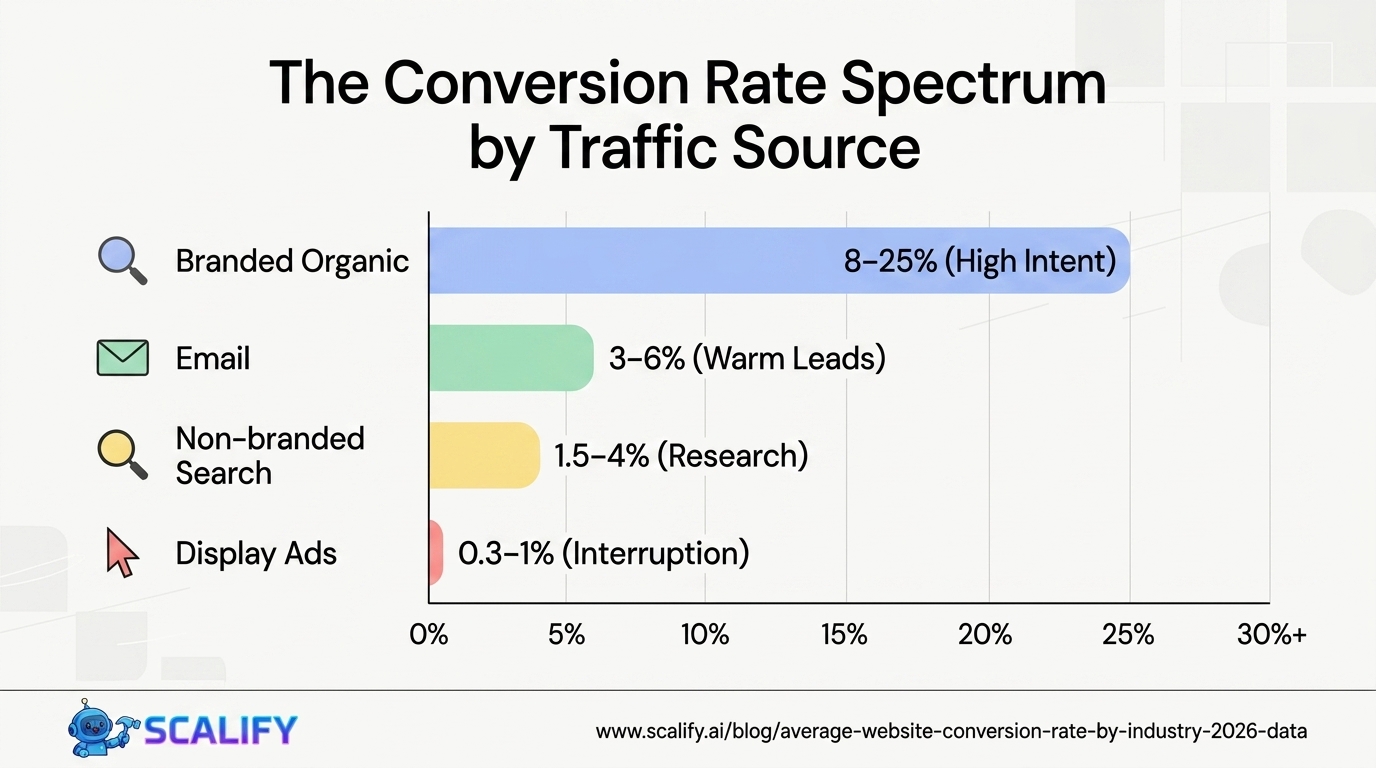
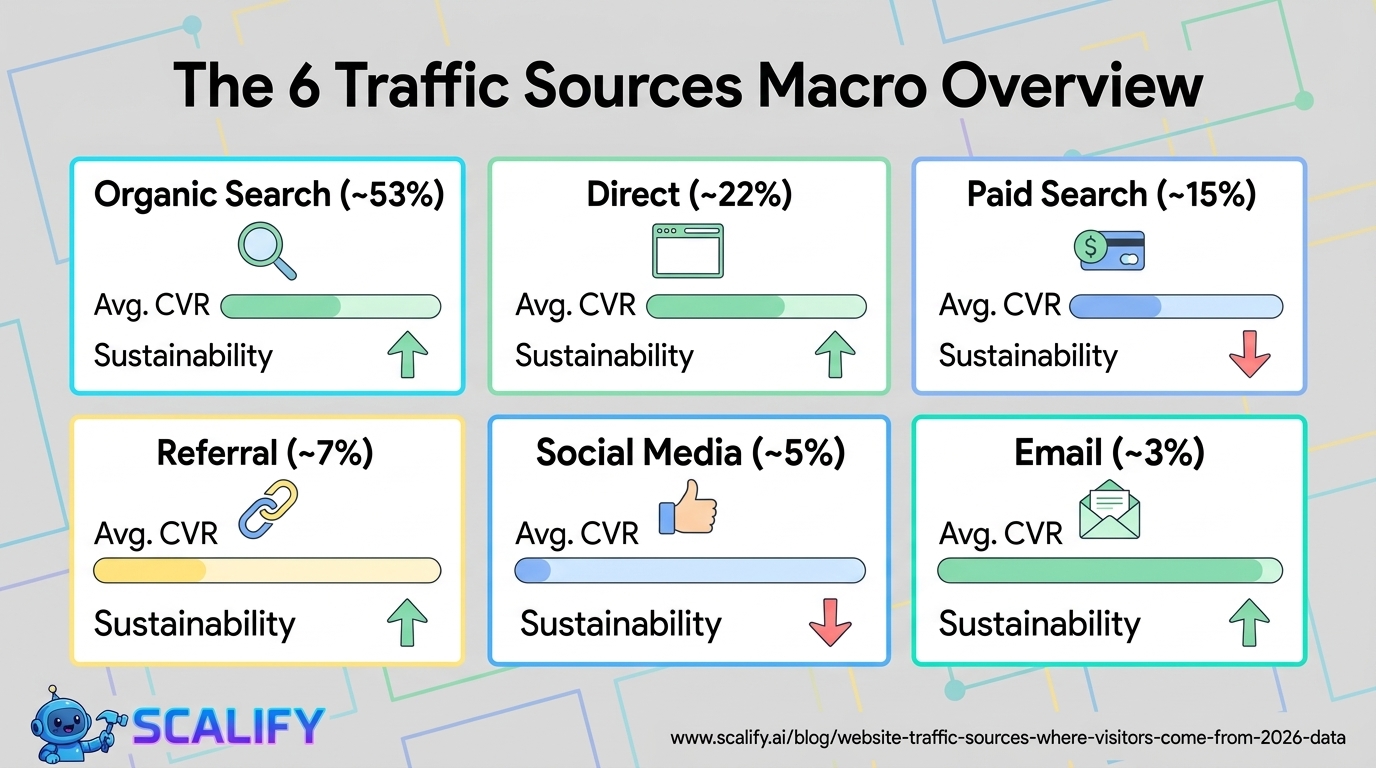
The most valuable view: segment the funnel by traffic source. Does organic search traffic convert at different rates than paid traffic? Do mobile visitors drop off more at a specific step than desktop visitors? These segmented views often reveal specific audience-and-stage combinations that need targeted improvements.
Conversion Tracking Prerequisites
Funnel analysis requires that conversions are tracked. Every form submission should have either a dedicated thank-you page (which becomes the conversion event when visited) or an event-based conversion trigger (when the form submission event fires). In GA4, mark the thank-you page view or form submission event as a conversion in Admin → Events.
Without conversion tracking, you see traffic data but not conversion data — you know how many visitors came but not how many converted.
The Most Common Funnel Leak Locations
Across different types of websites, dropout tends to concentrate at predictable points:
Homepage to Services Page
Often the largest single dropout point: visitors arrive but don't engage further. Root causes: unclear value proposition on homepage (visitors can't determine if this is relevant to their situation), poor site load time (visitors abandon before forming any intent), traffic quality issues (irrelevant traffic sources sending visitors with no real intent), or poor navigation (visitors can't find where to go).
Services Page to Contact/Pricing
Visitors who've been interested enough to read the services page but don't take the next step. Root causes: content doesn't build sufficient confidence to take the next step, no clear CTA visible on the services page, pricing uncertainty (no information about cost makes commitment anxiety too high), missing social proof that would validate the decision.
Pricing Page to Contact
Price shock is the primary cause here — the price is higher than the visitor expected, with insufficient value context to justify it. Secondary causes: confusing pricing structure, too many options (decision paralysis), or missing risk reduction elements (guarantees, free trials).
Contact Form Abandonment
Form start to form completion is the final bottleneck before conversion. Session recordings of visitors who abandon forms often reveal: confusion about what specific fields are asking, anxiety about why certain information is required, frustration with required fields that seem unnecessary, or technical issues that prevent submission.
Funnel Optimization: The Systematic Approach
Identify the Biggest Leak First
Look at your funnel data and find the single step with the highest dropout percentage. This is your optimization priority. Not the step that seems most interesting, not the step that's easiest to improve, not the step the designer last worked on — the step where the most visitors are lost.
Research Why Before Changing Anything
Dropdown rates tell you where the problem is. They don't tell you why. Before changing anything:
- Watch session recordings of visitors who dropped off at that step
- Run a heatmap on the page preceding the dropout to see what visitors engage with and what they ignore
- Survey recent converters: "What almost stopped you from reaching out?" The reasons people overcame barriers tell you what barriers others are hitting
- Check Search Console for the queries bringing visitors to that stage — are they the right queries for people who should want to proceed?
Form Hypotheses About Causes
Based on your research, form specific hypotheses about what's causing the dropout:
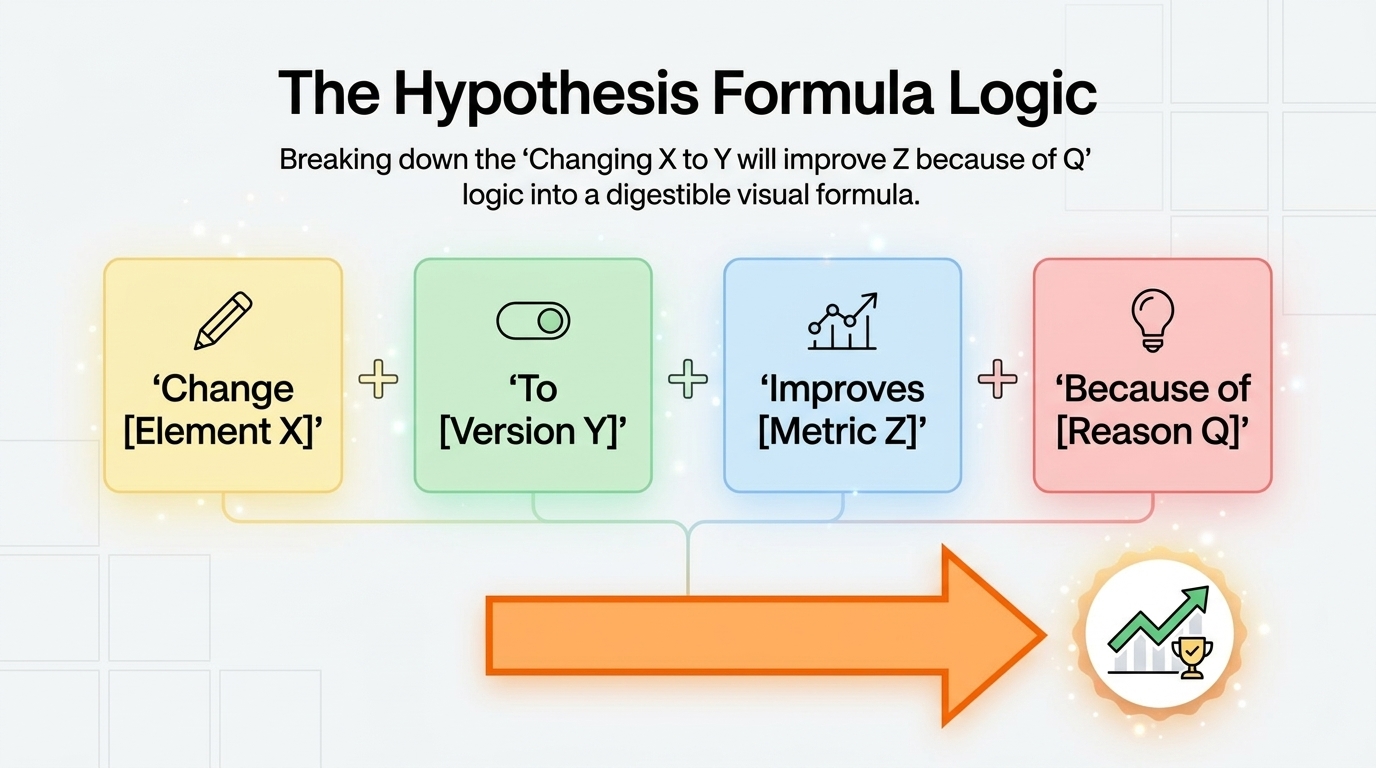
"We believe visitors are dropping off at the services page because they can't find pricing information and leave to find a competitor who shows prices. We'll test adding starting prices to the services page."
Specific hypotheses lead to specific tests. Specific tests produce learnable results.
Test and Measure Changes
Implement the change (ideally through A/B testing rather than just switching), measure whether dropout at that step decreases, and verify that the overall conversion rate improves (not just the dropout at that step). Sometimes reducing dropout at one step by sending visitors further into a funnel they'll drop off at later doesn't actually improve conversion rate — you just moved the problem.
Fix the Next Biggest Leak
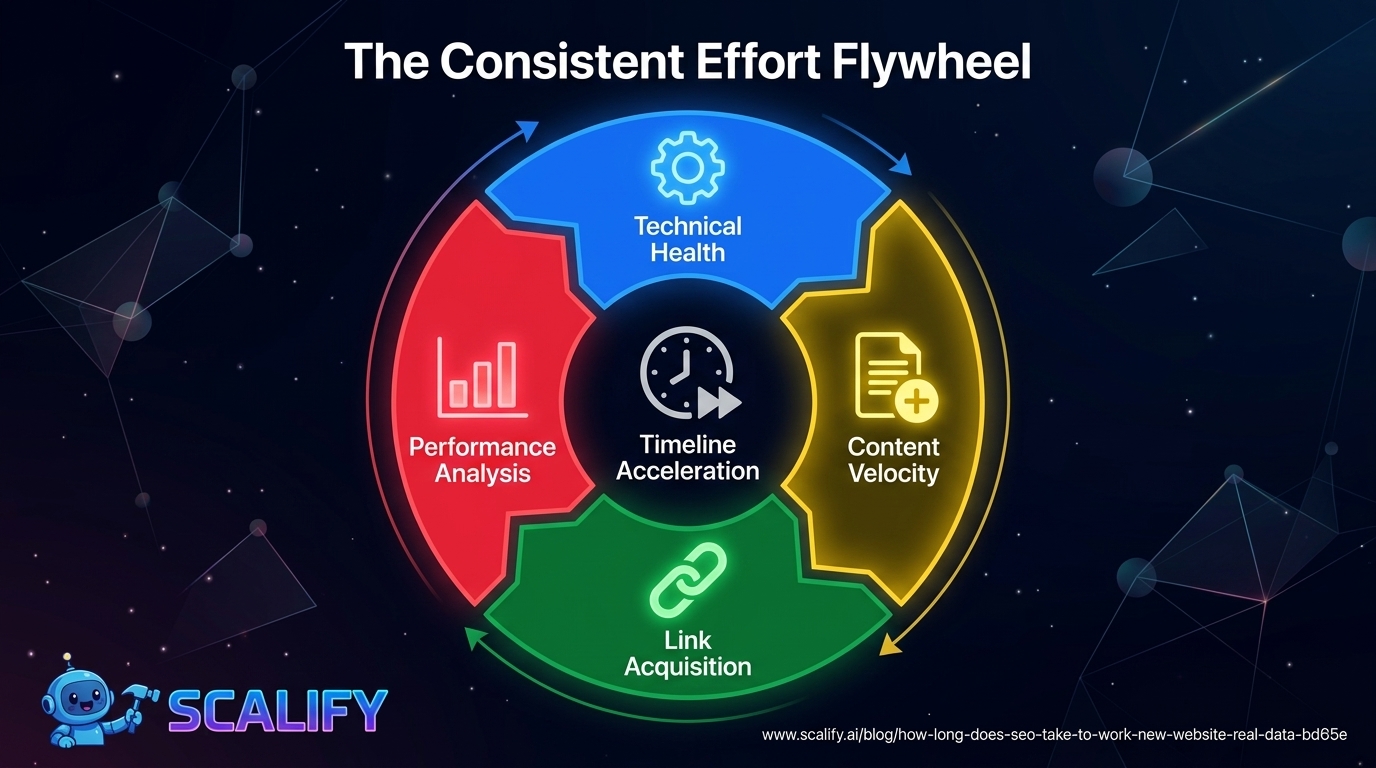
Once you've made measurable improvements at the biggest leak, move to the next biggest. This iterative process — find the biggest problem, understand why, fix it, find the next biggest problem — is the engine of compounding conversion rate improvement over time.
Multi-Touch Attribution: The Funnel Across Time
Real conversion funnels don't happen in a single session. A visitor might find you through Google, read two blog posts, leave, come back from a LinkedIn post three days later, read your services page, leave, return directly a week later, and then contact you. Each touchpoint contributed to the final conversion.
GA4's attribution models help understand this multi-touch reality. The default "data-driven" attribution model attempts to credit each touchpoint proportionally based on its contribution to conversions. Other models (first-click, last-click, linear) attribute conversion credit differently and produce different strategic conclusions about which channels deserve investment.
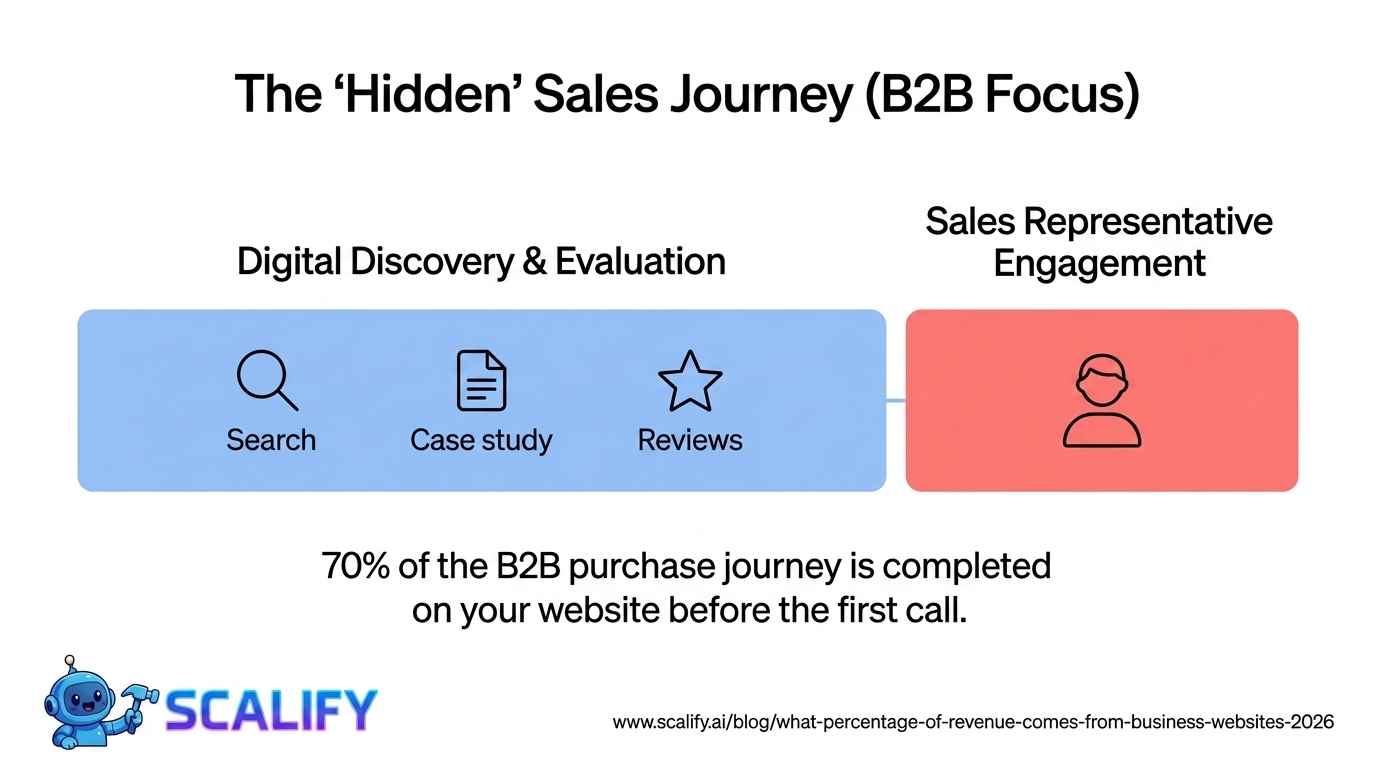
The practical implication: optimization of conversion funnels should account for the multi-session nature of most high-consideration purchases. Returning visitors often have different behavior patterns than first-time visitors and may convert at different rates at different stages.
The Bottom Line
A conversion funnel maps the journey from visitor to customer and identifies specifically where visitors are dropping off at each stage. Building funnel tracking in GA4, identifying the largest dropout points, researching the causes, and systematically fixing them is one of the highest-ROI optimization disciplines available for any website.
The businesses that consistently achieve higher conversion rates aren't better at marketing — they understand their funnel better. They know their numbers, they know where the leaks are, and they have a systematic process for closing those leaks one by one.
At Scalify, every website we build is designed with conversion architecture as a foundation — clear paths from awareness to action, appropriate content at each funnel stage, and analytics configured to measure what matters from day one.


.jpeg)
.jpeg)

78 SW 7th St, Miami, FL 33130