


What Is a Website Launch Checklist and How Do You Use It?
By Josh Ternyak

April 1, 2026
Comprehensive 2026 guide: What Is a Website Launch Checklist and How Do You Use It?
The Document That Separates Smooth Launches from Chaotic Ones
A website launch is a collection of small decisions and configurations that collectively determine whether the site works correctly, is found by Google, converts visitors into leads, and tracks performance accurately. Most of these items are individually simple. Collectively, they require coordination that makes it easy for things to slip through.
The contact form that was never connected to an email. The Google Analytics that wasn't set up until three weeks after launch (missing three weeks of baseline data). The page that still has the staging noindex tag. The SSL certificate that wasn't properly configured, showing visitors a "Not Secure" warning. The mobile layout that wasn't tested on an actual phone. The hero image that's 4MB and making the page load in 6 seconds.
None of these are hard problems. All are preventable. A systematic pre-launch checklist is the system that prevents them.
This checklist covers every meaningful launch verification item, organized by category, so nothing critical falls through the cracks between design, development, and going live.
Part 1: Technical Foundation
Hosting and Domain
- □ Domain is properly connected to hosting environment
- □ DNS records propagated — domain resolves to correct server
- □ SSL certificate installed and active (padlock shows in browser)
- □ HTTP redirects to HTTPS (test: type http://yourdomain.com and verify redirect)
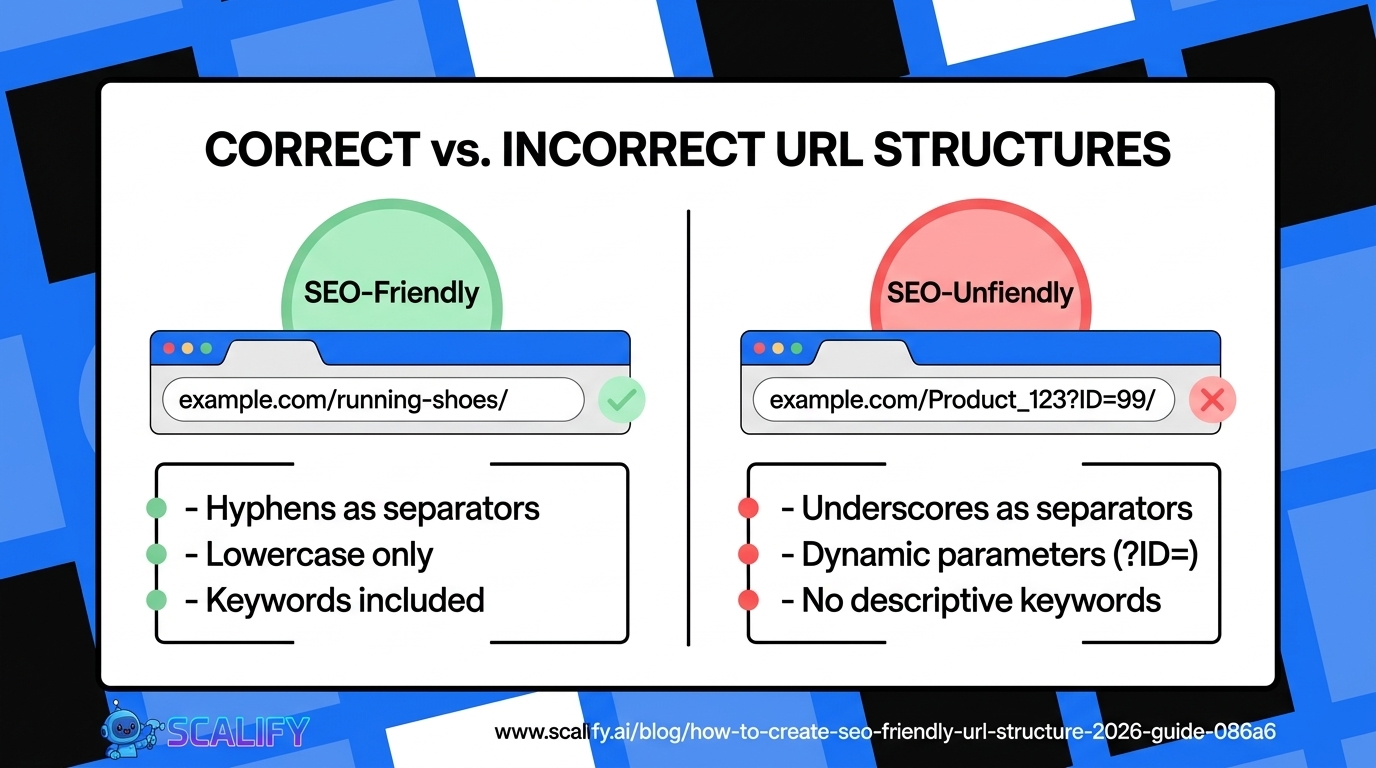
- □ www redirects to non-www (or vice versa — choose canonical form and enforce it)
- □ Naked domain (yourdomain.com) and www both redirect correctly to canonical form
- □ Hosting server responds with correct HTTP status codes (200 for main pages)
- □ Uptime monitoring configured and alerting enabled (UptimeRobot free tier works)
Robots.txt
- □ robots.txt exists at yourdomain.com/robots.txt
- □ robots.txt is NOT blocking Googlebot (verify no "Disallow: /" with no path after it)
- □ Staging robots.txt (which likely blocked all crawlers) has been replaced with production version
- □ robots.txt references sitemap location: "Sitemap: https://yourdomain.com/sitemap.xml"
XML Sitemap
- □ XML sitemap exists at yourdomain.com/sitemap.xml
- □ Sitemap contains all important pages intended for indexing
- □ Sitemap contains no noindexed URLs, redirect URLs, or 404 URLs
- □ Sitemap submitted to Google Search Console
- □ Sitemap submitted to Bing Webmaster Tools
Redirects (if migrating from existing site)
- □ All redirects from redirect map implemented and active
- □ Sample of 10–20 redirect URLs tested: old URL → new URL verified
- □ No redirect chains (A → B → C should be A → C)
- □ No redirect loops detected
- □ Homepage redirect working (if domain or structure changed)
Part 2: On-Page SEO
Metadata
- □ Every page has a unique title tag
- □ All title tags under 60 characters
- □ No duplicate title tags across pages
- □ Title tags include primary keyword for each page
- □ Every key page has a unique meta description
- □ Meta descriptions under 160 characters
- □ No duplicate meta descriptions
On-Page Elements
- □ Every page has exactly one H1 tag
- □ H1 tags clearly describe each page's content
- □ Heading hierarchy is logical (H1 → H2 → H3, no skipped levels)
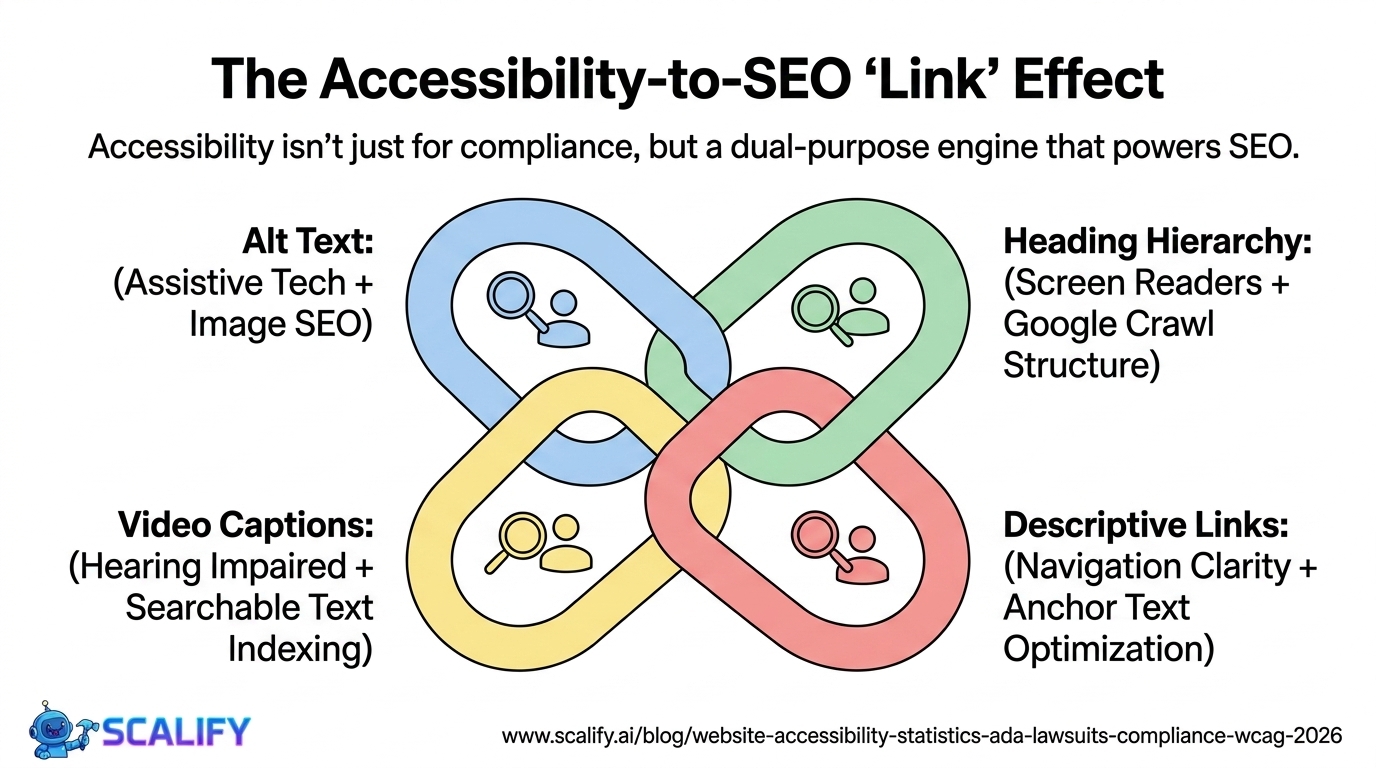
- □ Every image has descriptive alt text (except purely decorative images with empty alt="")
- □ All important pages have canonical tags (at minimum, self-referencing)
- □ Language attribute set on html element: <html lang="en">
Structured Data
- □ Organization schema implemented on homepage
- □ LocalBusiness schema implemented (if local business)
- □ Relevant additional schema types implemented (Product, Article, FAQPage as applicable)
- □ All structured data validated with Google's Rich Results Test tool
- □ No errors in structured data (warnings are acceptable; errors are not)
Part 3: Performance
- □ PageSpeed Insights run on homepage — mobile score 70+ (ideally 90+)
- □ PageSpeed Insights run on primary service/product page
- □ LCP (Largest Contentful Paint) under 2.5 seconds on mobile
- □ CLS (Cumulative Layout Shift) under 0.1 on all key pages
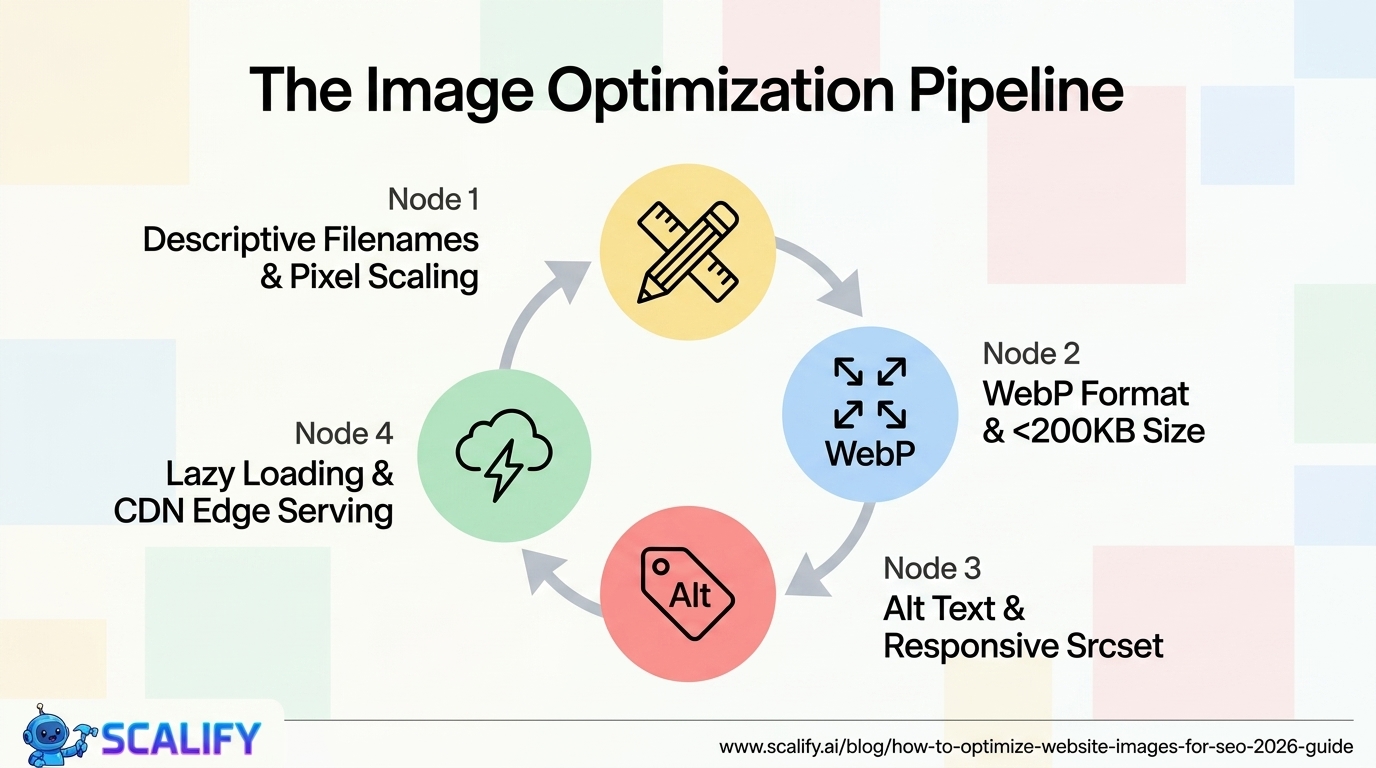
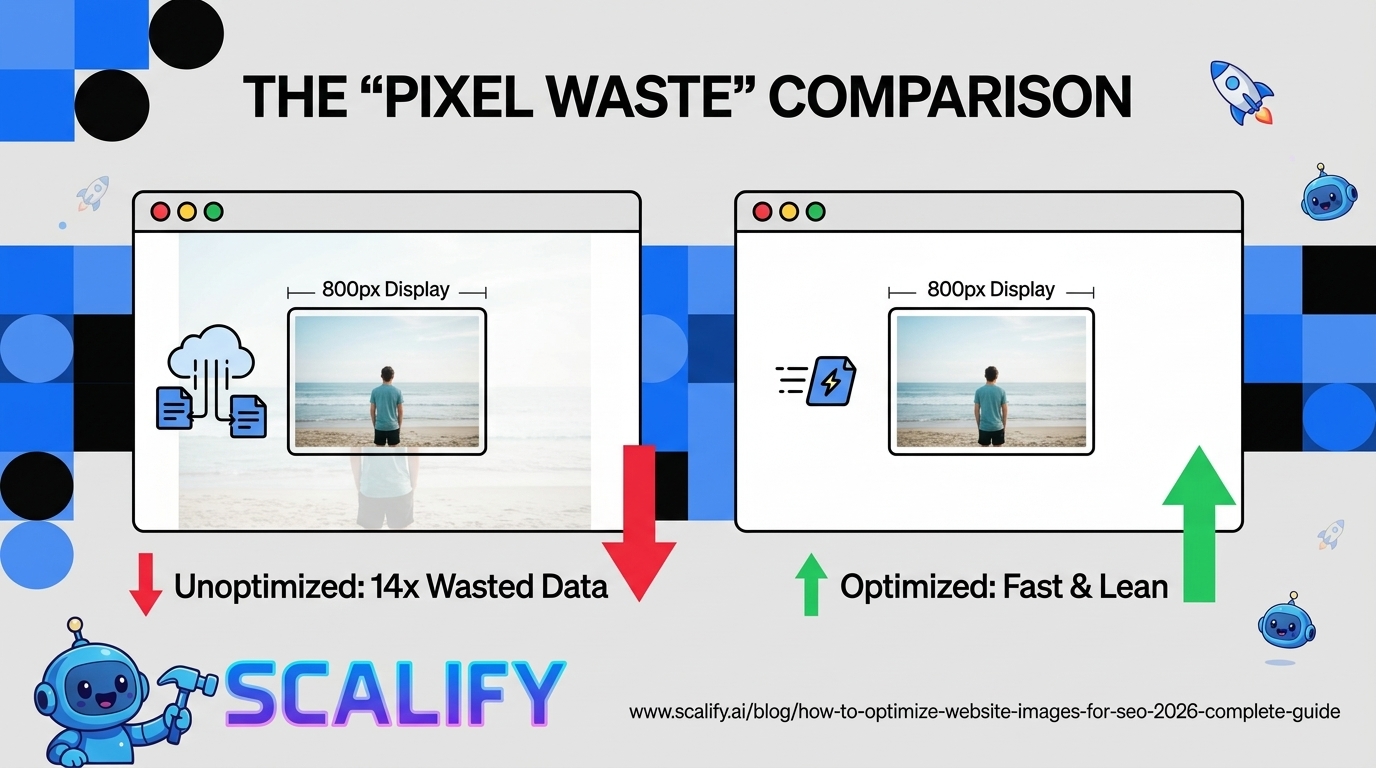
- □ All images compressed before upload or automatically optimized by platform
- □ LCP image preloaded with <link rel="preload"> if hero image on key pages
- □ All images have width and height attributes specified (prevents CLS)
- □ Lazy loading enabled on below-fold images
- □ No oversized images (no image served larger than displayed size)
- □ Modern image formats used (WebP or AVIF) where supported
- □ Third-party scripts minimized to only those needed for launch
- □ CDN configured and serving assets (Cloudflare, platform CDN, etc.)
Part 4: Functionality Testing
Forms
- □ Every contact form tested — submission delivers to correct email address
- □ Form confirmation message or redirect to thank-you page working
- □ Thank-you page exists and is accessible after form submission
- □ Form spam protection active (reCAPTCHA or honeypot)
- □ Required field validation working correctly
- □ Error messages display clearly when required fields are left empty
- □ Email field validation working (rejects invalid email formats)
- □ Forms work on mobile devices (tested on actual phone)
E-Commerce (if applicable)
- □ Test purchase completed successfully end-to-end (use test card)
- □ Order confirmation email received correctly
- □ Inventory updates correctly after test purchase
- □ Payment processor in live mode (not test/sandbox mode)
- □ Tax calculation correct for applicable regions
- □ Shipping options configured and displaying correctly
- □ Cart functionality working on mobile
Navigation and Links
- □ All navigation menu links functional
- □ Logo links back to homepage
- □ All internal links verified working (no broken internal links)
- □ All external links working (spot check most important ones)
- □ External links open in new tab where appropriate
- □ 404 error page exists and is helpful (explains what happened, offers navigation options)
Interactive Elements
- □ Dropdown menus work on mobile (tap/click triggered, not hover-only)
- □ Mobile hamburger menu opens and closes correctly
- □ Any accordions or tabs expand and close correctly
- □ Any sliders or carousels function correctly on mobile
- □ Chat widget configured and functional (if included)
- □ Booking/scheduling widget functional (if included)
- □ Social media links working and pointing to correct profiles
Part 5: Cross-Device and Cross-Browser Testing
- □ Tested on Chrome (desktop)
- □ Tested on Safari (desktop)
- □ Tested on Firefox (desktop)
- □ Tested on Edge (desktop)
- □ Tested on iPhone using Safari (iOS) — critical: Safari on iOS has unique behaviors
- □ Tested on Android device using Chrome
- □ Tested at 375px mobile viewport (smallest common iPhone width)
- □ Tested at 768px tablet viewport
- □ Tested at 1024px and 1440px desktop viewports
- □ No horizontal scrolling on mobile (no elements wider than viewport)
- □ Text readable without zooming on mobile
- □ All tap targets minimum 44px height on mobile
Part 6: Analytics and Tracking
- □ Google Analytics 4 property created and connected
- □ GA4 tracking code verified sending data (check Real-time report)
- □ Conversion events configured in GA4 (form submission, purchase, download)
- □ Thank-you page visits tracked as conversion events
- □ Internal IP addresses filtered or excluded from tracking
- □ Google Search Console property created and verified
- □ GA4 and Search Console linked in GA4 settings
- □ Any advertising pixels installed and verified (Facebook Pixel, Google Ads tag)
- □ Heatmap tool installed if planned (Hotjar, Microsoft Clarity)
Part 7: Accessibility
- □ Lighthouse accessibility audit run — score and critical issues documented
- □ All interactive elements reachable by keyboard (Tab key navigation test)
- □ Visible focus indicators on all interactive elements (don't use outline: none without replacement)
- □ All images have alt text (including non-decorative images in CSS backgrounds where possible)
- □ Color contrast meets WCAG AA for all text/background combinations (4.5:1 minimum)
- □ No content communicated by color alone (error states include text or icon, not just red)
- □ Viewport meta tag present: <meta name="viewport" content="width=device-width, initial-scale=1">
Part 8: Content Quality
- □ Every page read top-to-bottom — no typos, no grammatical errors
- □ No placeholder text (Lorem Ipsum) anywhere on the site
- □ All product/service descriptions accurate to current offerings
- □ Team/about page reflects current team
- □ Contact information accurate (address, phone, email)
- □ Business hours accurate (if displayed)
- □ Copyright year in footer current
- □ Privacy Policy current and compliant with applicable regulations
- □ Terms of Service current
- □ Cookie consent configured if required (EU visitors)
Part 9: Social and Brand
- □ Open Graph tags configured (correct title, description, image for social sharing)
- □ OG image specified (minimum 1200×630px) for attractive social sharing previews
- □ Test share on Facebook/LinkedIn — preview appears correctly
- □ Favicon set (appears in browser tab)
- □ Apple Touch Icon set (appears when site added to iPhone home screen)
- □ All social media links in footer/header point to correct profiles
- □ Google Business Profile URL updated if site URL changed
Part 10: Post-Launch Monitoring (First 48 Hours)
- □ Google Search Console checked for crawl errors or coverage issues
- □ GA4 Real-time report showing live visitor data
- □ Forms re-tested on live site (not just staging)
- □ No unexpected 404 errors appearing in Search Console
- □ Site loads correctly when visited from mobile device
- □ Uptime monitoring confirming site is accessible
Using This Checklist
Print it or put it in a shared document. Work through each item explicitly — don't assume something is done because it was planned. The moment of checking each box is also the moment of verification: actually test the form, actually check the robots.txt, actually run PageSpeed Insights.
For team-based projects: assign specific sections to specific people with accountability. "Dev handles Parts 1–3 and 5. Designer handles Part 8. Client confirms Part 10." Distributed responsibility with explicit ownership.
For any item that can't be checked before launch: document why and assess the risk. Some items are launch blockers (the form doesn't work, the site isn't indexed). Others are "fix in week 1" items (Open Graph image isn't perfect yet). Deliberately accepting a known gap is better than discovering it after launch.
The Bottom Line
A website launch checklist is the difference between a launch that goes smoothly and one that surfaces a series of avoidable problems in the hours and days after go-live. The checklist doesn't guarantee perfection — but it dramatically reduces the probability of the most common, most impactful launch failures.
Use it on every launch. Update it when you discover a new failure mode that wasn't on the list. Build it into your standard launch process so it's automatic rather than optional.
At Scalify, every website we launch goes through a systematic pre-launch checklist — the same rigor on every project, regardless of scope — because "we probably got everything" isn't good enough when it's your business's online presence going live.
Key Takeaways and Next Steps
The principles and data in this guide reflect what actually works in professional web development and digital marketing in 2026 — not theoretical best practices but measured, documented outcomes from implementations at scale. The gap between knowing these principles and benefiting from them is always execution: the businesses that act on what they read, implement changes systematically, and measure the results consistently outperform those who consume information without converting it to action.
For any improvement described in this guide, the implementation sequence that produces the best outcomes: assess your current situation against the benchmarks provided, identify the 2–3 highest-impact improvements specific to your situation, implement them with measurement tracking in place, evaluate results after 30–60 days, and plan the next iteration based on what you learned. This cycle — assess, prioritize, implement, measure, iterate — is the operational foundation of continuous improvement that compounds into significant competitive advantage over the 12–24 month horizon.
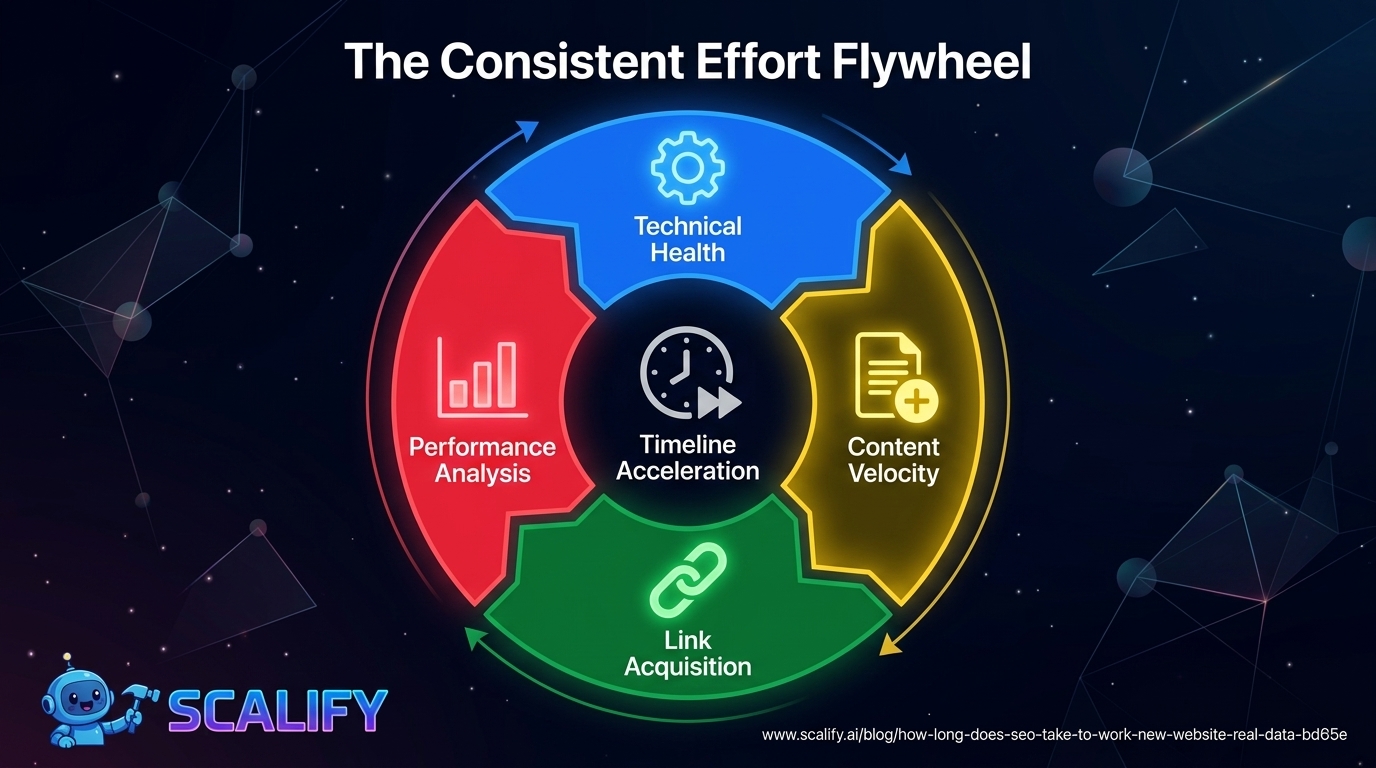
The compounding returns from consistent web presence investment are not linear: a website that improves slightly each month accumulates to dramatic improvements over a year, and those improvements multiply with each other. Faster load times improve both search rankings and conversion rates simultaneously. Better content attracts backlinks that improve rankings that attract more traffic. More testimonials build trust that improves conversion rates that improve revenue that funds more investment. The interconnected nature of website performance means that each improvement amplifies the value of every other improvement — making the decision to invest consistently, across multiple dimensions simultaneously, the highest-ROI approach to digital marketing available to most businesses.
At Scalify, every website we build reflects these principles — technically optimized, conversion-focused, SEO-ready, and designed to compound in value over time as content, backlinks, and organic authority accumulate on the strong foundation we deliver in 10 business days.


.jpeg)
.jpeg)


78 SW 7th St, Miami, FL 33130