


What Is a Website Maintenance Plan and Do You Need One?
By Josh Ternyak

March 29, 2026
Most businesses set up their website and forget it — and then wonder why it slows down, breaks, or gets hacked. This guide explains what website maintenance actually covers, what it costs, and whether you need a plan.
The Ongoing Work Nobody Talks About When They're Selling You a Website
You launch your website. It looks great. It works perfectly. You feel a sense of accomplishment — the project is done. Time to move on to the next thing.
Six months later, you notice the site is loading slower. A year later, a plugin update breaks the contact form and you don't find out for three weeks because nobody checked. Eighteen months after launch, you get an email from your hosting provider saying your site was compromised and used to send spam. Two years in, the design is starting to look dated against competitors who've invested in their sites.
The website was never "done." It's a living system — software that requires ongoing attention, updates, security monitoring, and periodic improvements to stay functional, secure, and effective. The businesses that understand this invest in website maintenance. The ones that don't pay for it anyway — just reactively, in crises, at higher cost and with more disruption than proactive maintenance would have required.
What Website Maintenance Actually Is
Website maintenance is the ongoing work required to keep a website secure, functional, current, and performing well. It encompasses several distinct categories of activity:
Security Updates and Monitoring
Website software — whether WordPress, plugins, themes, or custom code — contains vulnerabilities that get discovered over time. Security researchers and malicious actors find these vulnerabilities; software developers release patches to fix them. If you're not applying those patches, you're running known-vulnerable software.
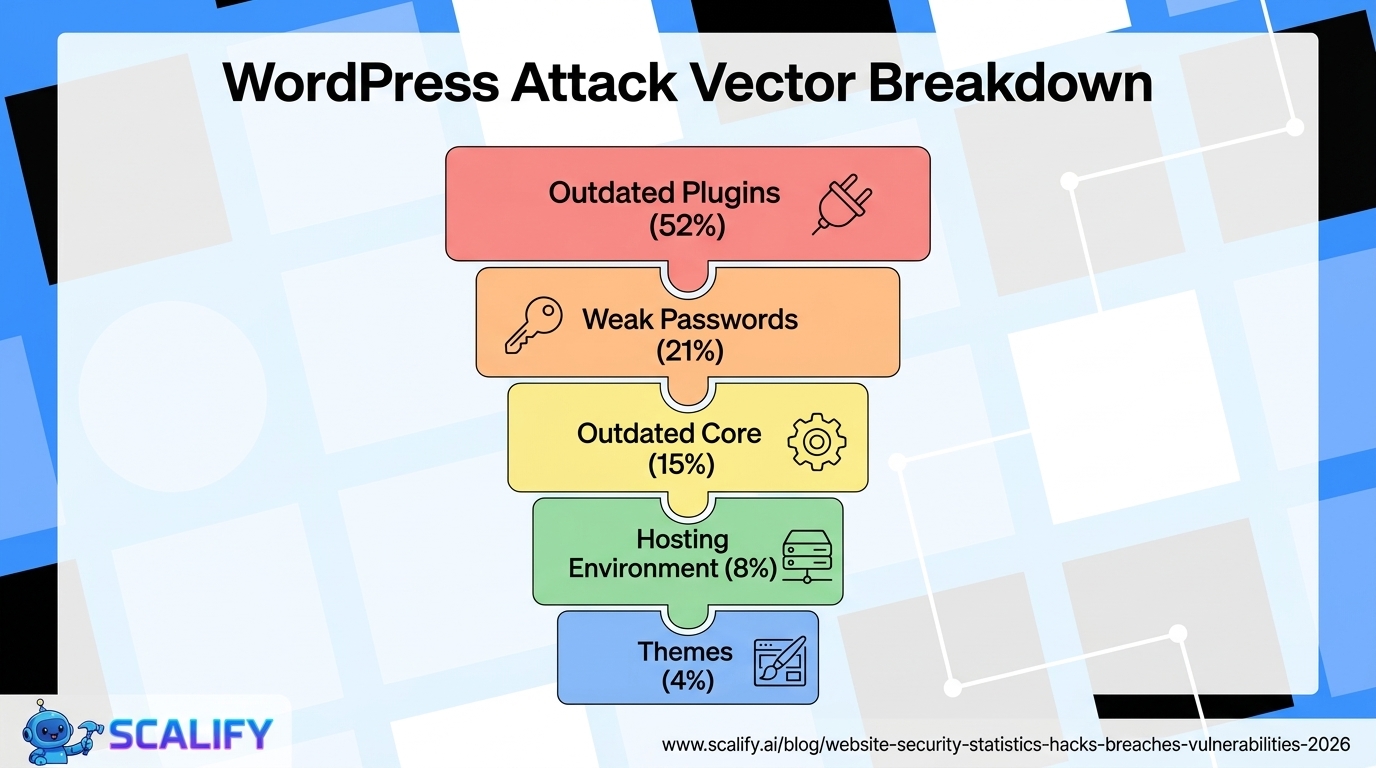
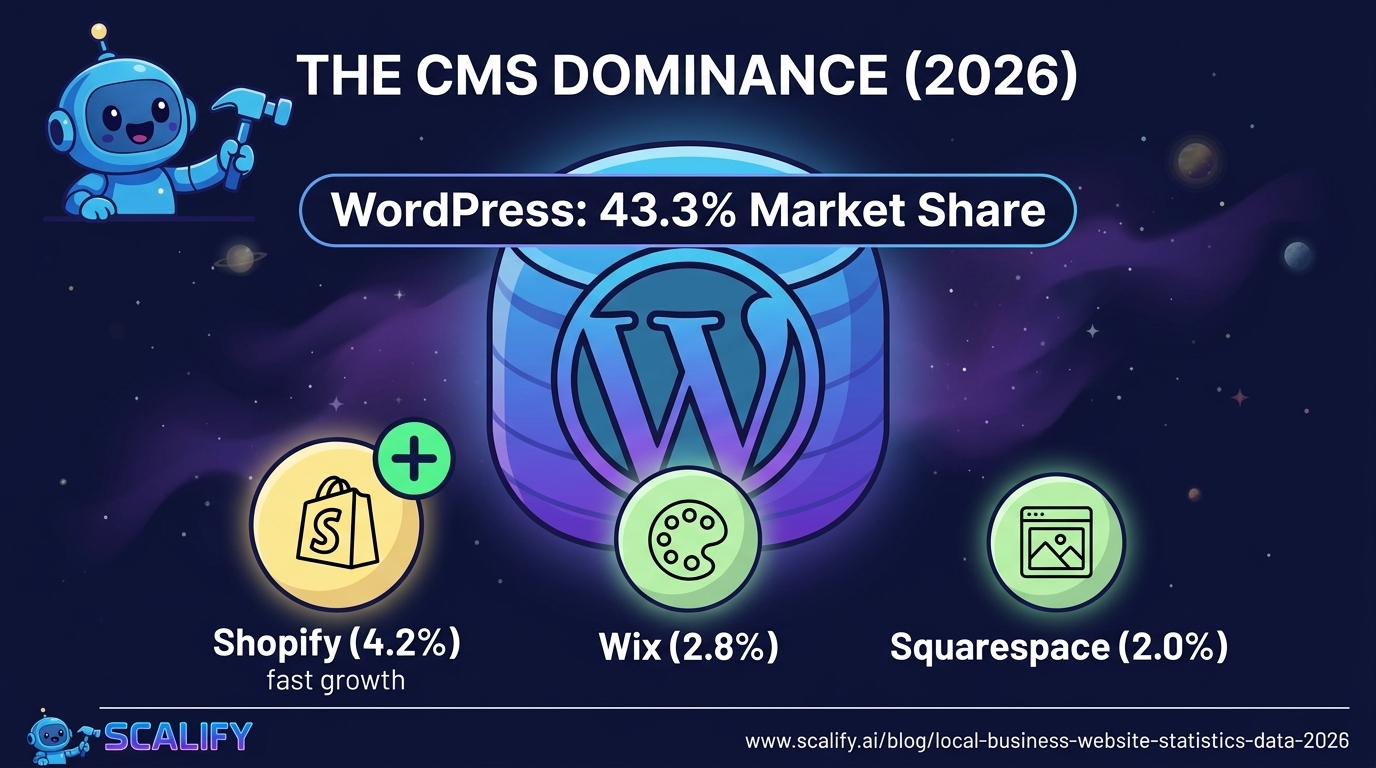
For WordPress sites specifically, this is a constant concern. WordPress powers 43% of the web, which makes it the most-targeted platform for automated attacks. Hackers don't manually target individual small business sites — they run automated scripts that probe millions of sites for known vulnerabilities. An unpatched WordPress installation is vulnerable to compromise regardless of how small or obscure your business is.
Security maintenance includes: keeping WordPress core updated, keeping all plugins updated (and removing unused plugins that represent attack surface), keeping themes updated, monitoring for malware with automated scanning tools, implementing security hardening measures (strong passwords, two-factor authentication, limited admin accounts), and having a backup restoration plan for when (not if) something goes wrong.
Performance Monitoring and Optimization
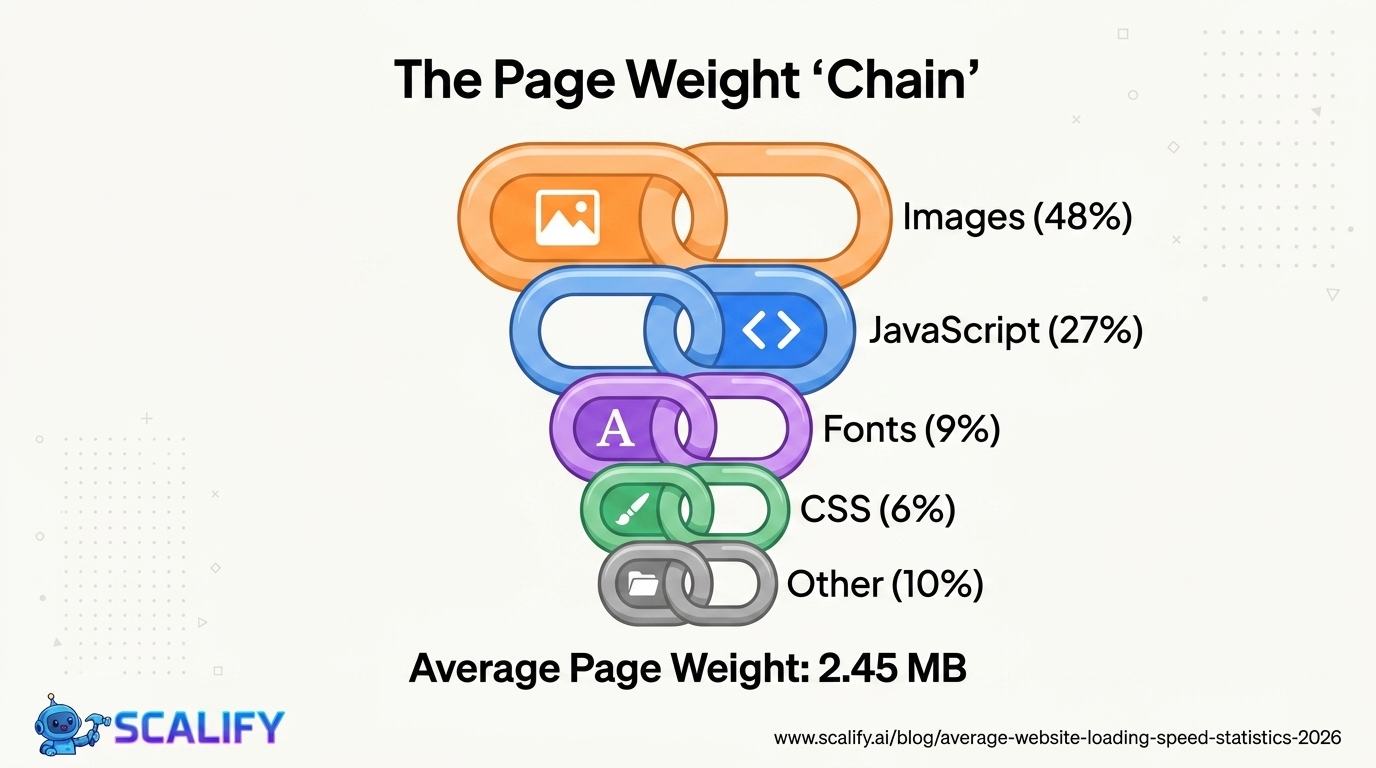
Website performance degrades over time if not actively maintained. Content accumulates (images, videos, files) that bloat page weight. Database tables grow large and unoptimized. New plugins add JavaScript that slows pages. Hosting environments change. Google's performance benchmarks evolve.
Performance maintenance includes: periodic speed audits with Google PageSpeed Insights, image optimization as new images are added, database cleanup (removing post revisions, spam comments, transient data), ensuring CDN configuration remains optimal, and addressing performance regressions when Core Web Vitals scores decline.
Content Updates
Outdated content is both a user experience problem and an SEO problem. A "2023 Guide to Web Design" published in 2023 becomes a "2023 Guide to Web Design" in 2026 — signaling either that the content is old or that the site isn't maintained. Team pages with departed employees. Service pages describing discontinued offerings. Blog posts with outdated statistics or superseded recommendations.
Content maintenance includes: reviewing and updating high-traffic pages with outdated information, refreshing publish dates for content that's been meaningfully updated, removing or redirecting content that's no longer relevant, and keeping team/about information current.
Technical Functionality
Websites break. Forms stop working. Links go dead. Integrations with third-party services fail when those services update their APIs. Checkout processes malfunction. These failures often go unnoticed for significant periods — a broken contact form can silently stop delivering leads for weeks before someone realizes.
Technical maintenance includes: regular testing of all forms, all checkout flows (for e-commerce), all key user journeys, all third-party integrations; monitoring uptime with alerts when the site goes down; checking for and fixing broken links; and ensuring all integrations continue functioning after third-party updates.
Backup Management
Backups are the insurance policy for everything else that can go wrong. If a site gets hacked, a bad update breaks functionality, or data gets accidentally deleted, a recent backup is the difference between a 30-minute restoration and a weeks-long rebuild from scratch.
Backup maintenance includes: ensuring automated daily backups are running, that backups are stored in a separate location from the main hosting (so a hosting failure doesn't take both the site and the backup), that backup files are restorable (many "backup" implementations fail silently), and that there's a tested restoration procedure.
Software and Plugin Updates
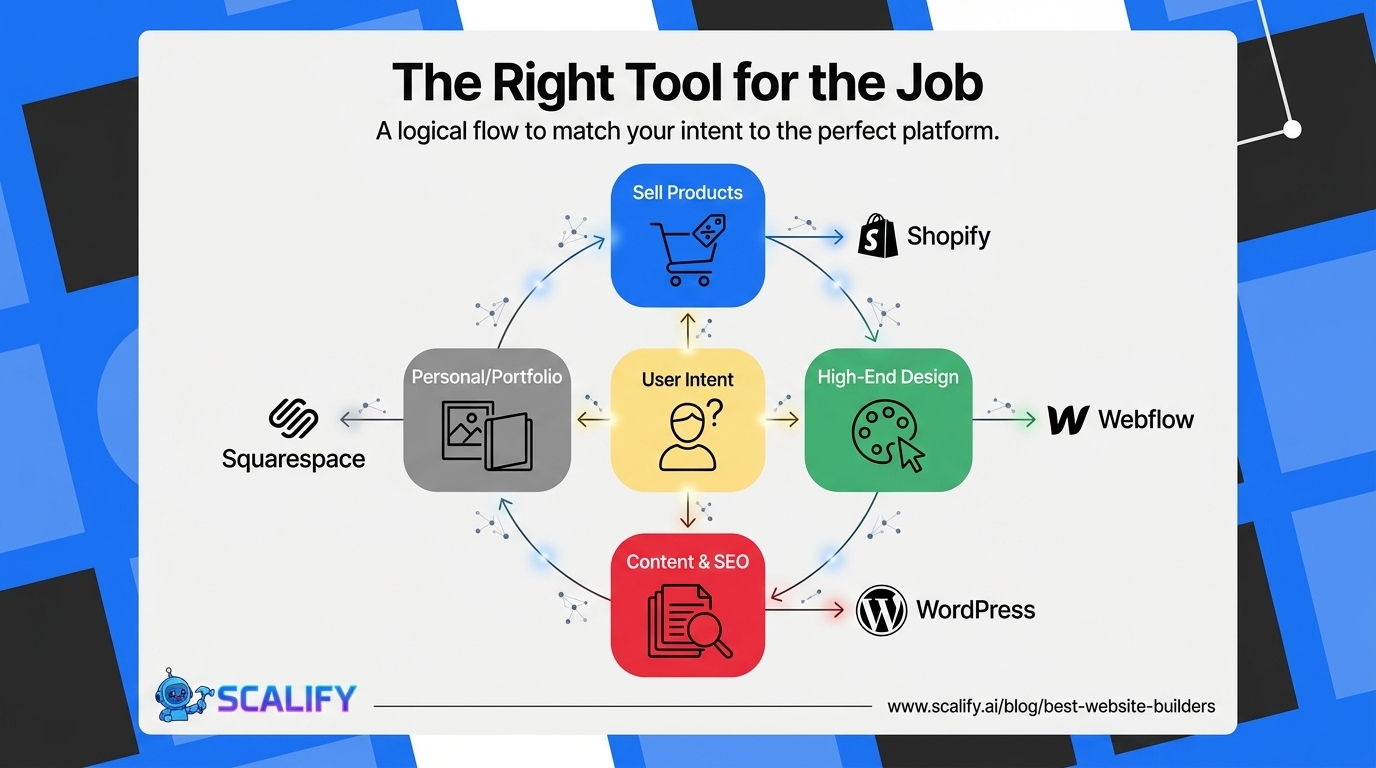
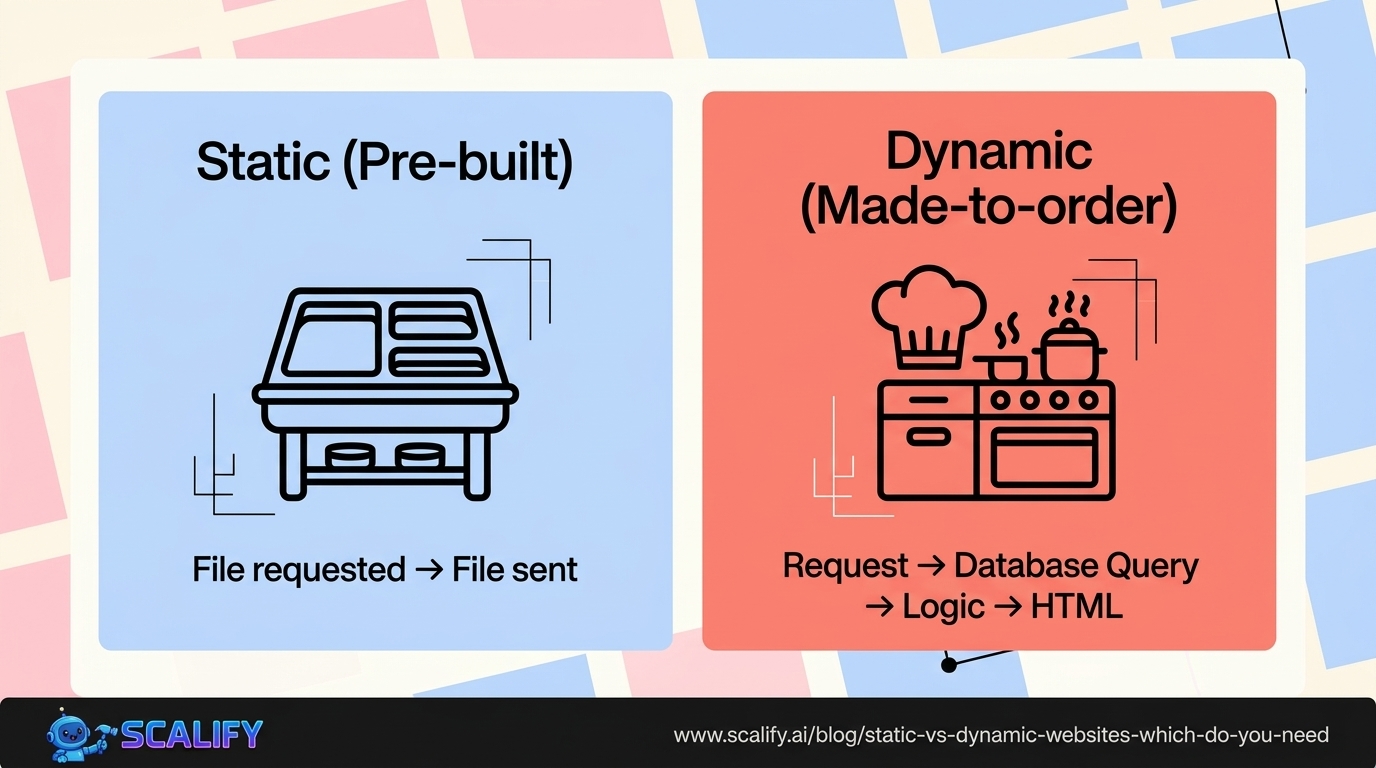
All website software needs updates — for security patches, bug fixes, performance improvements, and new features. On managed platforms (Webflow, Shopify, Squarespace), the platform handles this automatically. On self-managed installations (WordPress, custom builds), this is an ongoing manual responsibility.
WordPress specifically requires: core WordPress updates (automatic for minor security releases, manual for major version upgrades), plugin updates (critical — most WordPress compromises happen through outdated plugins), and theme updates. Each update carries a small risk of incompatibility with other software — which is why updates should be applied to a staging environment and tested before being applied to the live site.
Platform Differences: Who's Responsible for What
Maintenance requirements vary significantly by the platform your site runs on:
Managed Platforms (Webflow, Shopify, Squarespace, Wix)
These platforms handle most maintenance automatically. The platform manages:
- Core software updates and security patches
- Server infrastructure and uptime
- SSL certificate renewal
- Performance infrastructure and CDN
Your responsibilities on a managed platform: content updates, testing forms and user flows periodically, monitoring analytics for anomalies, and keeping any connected third-party apps and integrations current.
Managed platforms significantly reduce maintenance overhead — which is part of what justifies their higher monthly cost compared to self-hosted solutions. The platform subscription buys ongoing infrastructure maintenance.
WordPress (Self-Hosted)
WordPress is the platform where ongoing maintenance most affects site security and functionality. Your responsibilities with self-hosted WordPress:
- WordPress core updates
- All plugin updates
- Theme updates
- PHP version maintenance (the server-side language WordPress runs on)
- Database optimization
- Security monitoring and malware scanning
- Backup verification
- Uptime monitoring
This is substantial ongoing work. The businesses that manage WordPress sites without dedicated technical resources typically encounter security compromises or performance degradation within 12–18 months — not from negligence exactly, but from the natural difficulty of keeping up with updates across potentially dozens of plugins in the course of running a business.
The practical answer for most businesses: managed WordPress hosting (WP Engine, Kinsta, SiteGround) that handles many of these maintenance tasks through automated systems and included support, or a WordPress maintenance service/retainer with a technical partner.
Custom-Built Sites
Custom code has no automatic update mechanism. Maintenance requires a developer to actively monitor for security vulnerabilities in dependencies, update libraries as vulnerabilities are discovered, and proactively address technical debt as software ages. Custom sites typically require the most maintenance effort but are also the least constrained by platform decisions.
What Does Professional Website Maintenance Cost?
Website maintenance costs vary widely based on platform, site complexity, and service provider:
Basic WordPress maintenance services: $50–150/month. Typically includes plugin/core updates, backups, uptime monitoring, and basic security scanning. Appropriate for simple brochure sites with minimal custom functionality.
Comprehensive WordPress care plans: $150–500/month. Includes everything above plus malware cleanup if infected, performance optimization, monthly security reports, emergency support, and some content update hours. Appropriate for business websites that depend on their site for lead generation or sales.
E-commerce maintenance: $300–1,000+/month. E-commerce sites have higher stakes (revenue directly dependent on site function) and more complexity (payment integrations, inventory management, shipping). Checkout testing, payment processor updates, inventory management, and performance optimization all add maintenance scope.
Managed platform maintenance (Webflow, Shopify): Lower ongoing maintenance cost since the platform handles infrastructure. Still budget for content updates, integration monitoring, and periodic CRO/UX audits: $100–300/month for a professional to actively manage.
For businesses that choose to handle maintenance internally: the cost is time, not money. Budgeting 2–4 hours per month for a technically capable team member to handle WordPress updates, test functionality, review performance, and monitor security is a realistic minimum for a simple site.
Signs Your Site Needs Immediate Maintenance
These indicators suggest maintenance has been neglected to a degree requiring urgent attention:
Site is loading slowly on mobile: Core Web Vitals scores in the "Needs Improvement" or "Poor" range. This is hurting search rankings right now.
WordPress or plugins are 6+ months out of date: Running significantly outdated software substantially increases compromise risk.
You haven't tested your contact form in 3+ months: You may have been losing leads for months without knowing.
Your last backup is more than a week old: Or you're not sure when the last backup ran. High risk in case of compromise or failure.
Google Search Console is showing crawl errors: These errors prevent Google from indexing your pages correctly, potentially suppressing your rankings.
Your site has shown "site may be hacked" in search results: This is a critical emergency requiring immediate malware removal and security remediation.
Page load time has increased significantly from launch: Gradual performance degradation is common without active maintenance and compounds over time.
Building a Maintenance Process: The DIY Approach
For businesses that prefer to handle maintenance internally, a systematic monthly process makes it manageable:
Weekly (5 minutes): Check uptime monitoring alerts. Look at Analytics for obvious traffic anomalies. Test your main contact form.
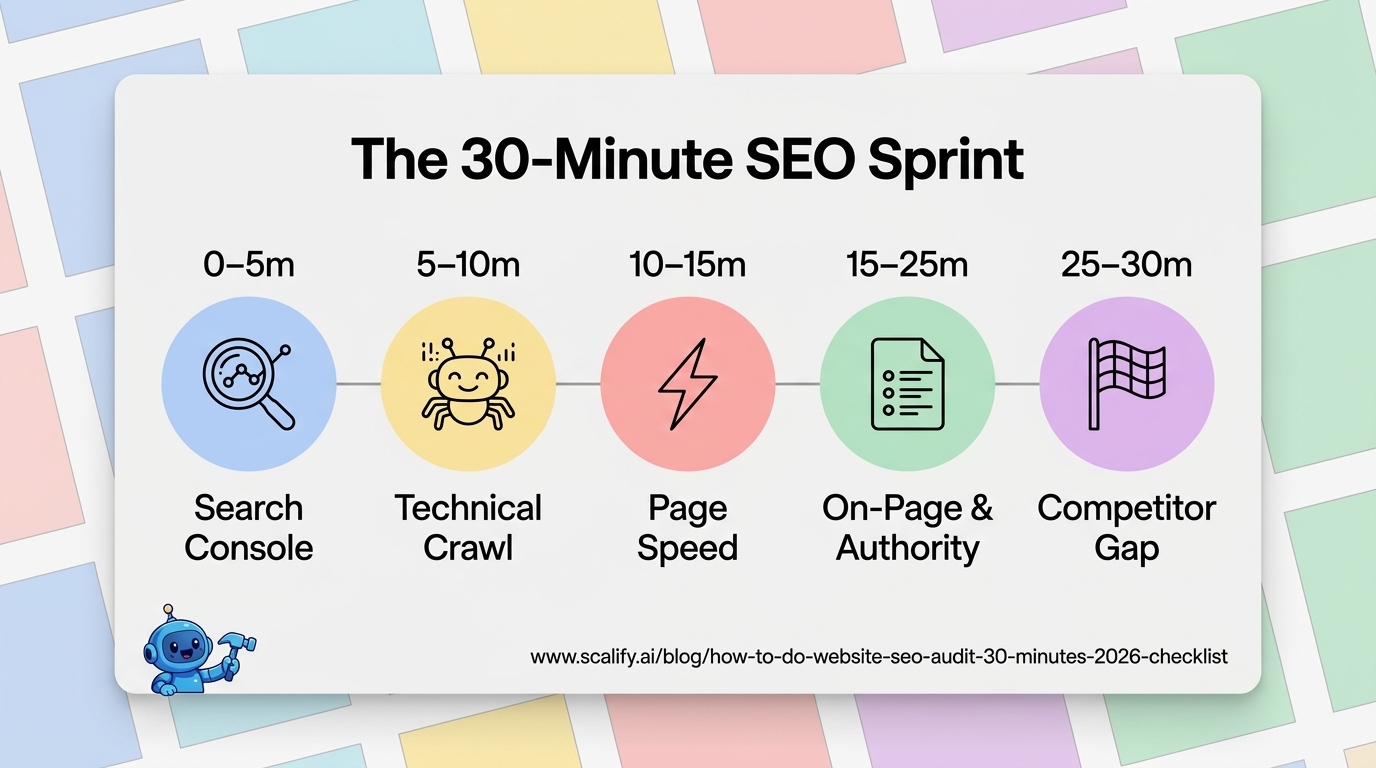
Monthly (30–60 minutes): Apply WordPress core and plugin updates to staging, verify functionality, apply to production. Run Google PageSpeed Insights on key pages and note any regressions. Check Search Console for new crawl errors or coverage issues. Review backup logs to confirm backups are running.
Quarterly (2–4 hours): Full link audit for broken links. Review top landing pages and update any outdated content. Security scan report review. Test all user flows (checkout, all forms, key conversion paths) thoroughly.
Annually (half day): Comprehensive content audit. Performance optimization review. Review and clean up unused plugins, images, and content. Consider whether platform or hosting upgrades are warranted.
The key is systematizing this — putting it in a calendar, treating it as a regular operational task, not as something you do when you remember to or when something breaks.
The Real Cost of Not Maintaining Your Website
The cost of website maintenance is real but predictable. The cost of not maintaining is often larger and always unpredictable:
Security compromises: A hacked website that's used to send spam or distribute malware can get your domain blacklisted, your hosting account suspended, and your Google rankings suppressed. Cleaning up a compromised site costs $200–2,000+ in professional remediation, often requires weeks of downtime, and the domain reputation damage can take months to recover from.
Broken functionality: A contact form that breaks and isn't noticed for three weeks has silently lost you every lead that tried to contact you during that period. For a business generating even 5 leads per week from their website, that's 15 lost opportunities.
Ranking loss from performance: A site that has gradually degraded to slow load times and poor Core Web Vitals scores over 18 months of neglect has likely dropped from rankings it previously held — losing organic traffic that will take months to recover after performance is restored.
Outdated content credibility damage: A services page describing offerings you no longer provide, a team page with people who left two years ago, a blog post with statistics from 2021 presented as current — these erode the credibility that converts first-time visitors into leads.
None of these costs are hypothetical. They're what happens consistently to maintained-at-zero websites over 1–2 year timeframes. Proactive maintenance costs less than reactive remediation — always.
The Bottom Line
Website maintenance is the ongoing work that keeps a website secure, functional, current, and performing well. It's not glamorous, it's often invisible when done correctly, and it's one of the most cost-effective investments in your digital presence.
The right approach depends on your platform: managed platforms (Webflow, Shopify) handle most maintenance automatically; WordPress and custom sites require active ongoing attention. Budget for it as an operational cost rather than treating it as an optional service — the cost of neglected maintenance is reliably higher than the cost of proactive maintenance.
At Scalify, we build websites on platforms that minimize maintenance overhead by default — and we're available to help businesses that need ongoing technical support to keep their sites performing at their best.



.jpeg)
.jpeg)



78 SW 7th St, Miami, FL 33130