


What Is a Website Maintenance Plan and What Should It Include?
By Josh Ternyak

April 1, 2026
Comprehensive 2026 guide: What Is a Website Maintenance Plan and What Should It Include?
The Work That Keeps Your Website Working After Launch
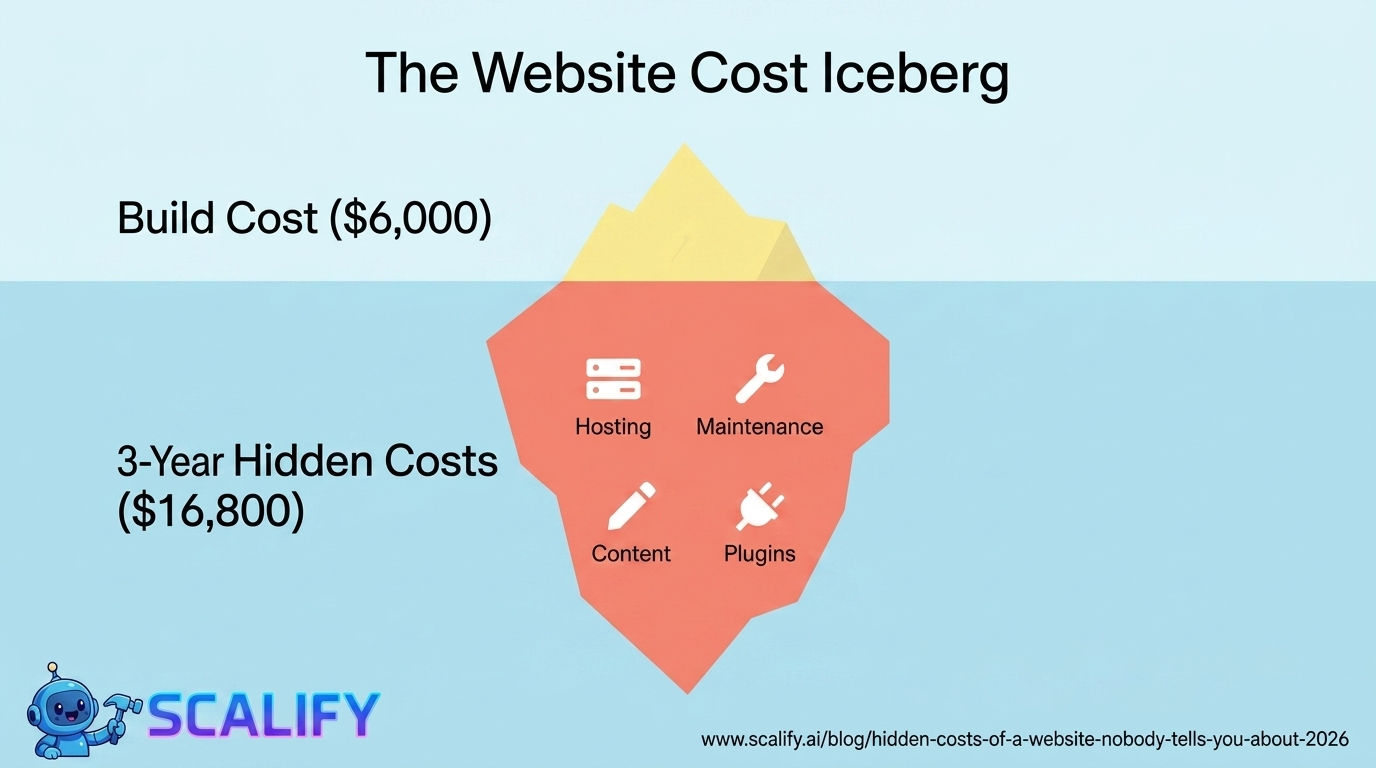
Launching a website is not the end of the project. It's the beginning of an ongoing responsibility. Websites are not static objects — they exist in a dynamic environment of software updates, security vulnerabilities, evolving browser standards, changing content needs, and accumulating technical debt. Left unattended, even a well-built website degrades: plugins become security risks, content becomes outdated, performance slows, and broken links accumulate.
A website maintenance plan is the system that prevents this degradation. It defines what gets done, how often, by whom, and at what cost to keep a website secure, fast, accurate, and effective over time. For business owners, it's the difference between a website that continues to be a reliable business asset and one that quietly becomes a liability.
What a Website Maintenance Plan Is
A website maintenance plan is a documented, typically recurring service arrangement that covers the ongoing upkeep of a website after its initial launch. It can be structured as:
Retainer with a web agency or freelancer: A monthly fee that covers a defined set of maintenance tasks and a certain number of hours for updates and changes. The most common structure for business websites.
Self-maintained: The website owner handles maintenance tasks themselves. Only practical for owners with technical knowledge and available time.
Hosting-included maintenance: Some managed hosting services (Kinsta, WP Engine, Pantheon) include security monitoring, backups, and some updates as part of their hosting fee.
Dedicated maintenance service: Companies like WP Buffs (for WordPress) specialize in website maintenance subscriptions.
The components of a maintenance plan vary by website type, CMS, and complexity — but the core categories are consistent.
What a Complete Website Maintenance Plan Must Include
Security Updates and Patching
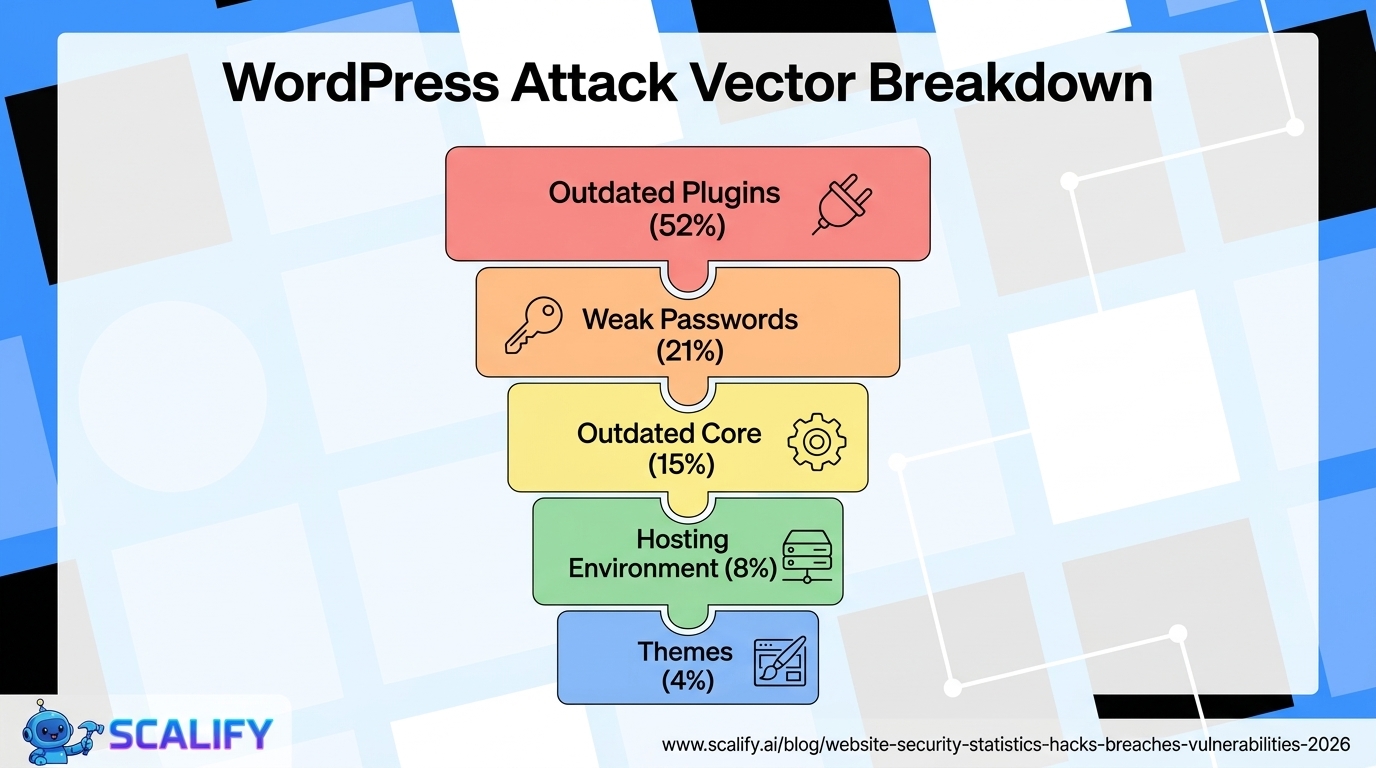
The highest-priority maintenance task. Websites — especially WordPress sites — run software that has known vulnerabilities. When those vulnerabilities are discovered, the software vendor releases patches. Unpatched software is the most common vector for website hacks.
For WordPress sites, this means: WordPress core updates, theme updates, and plugin updates. Not all of these are safe to apply automatically — major version updates occasionally break functionality. A maintenance plan should include:
- Weekly or bi-weekly plugin and theme updates with pre-update backup and post-update testing
- WordPress core updates (more carefully managed, especially major version updates)
- Monitoring for newly discovered vulnerabilities in installed plugins/themes
- Removal of deactivated plugins (inactive plugins can still pose security risks)
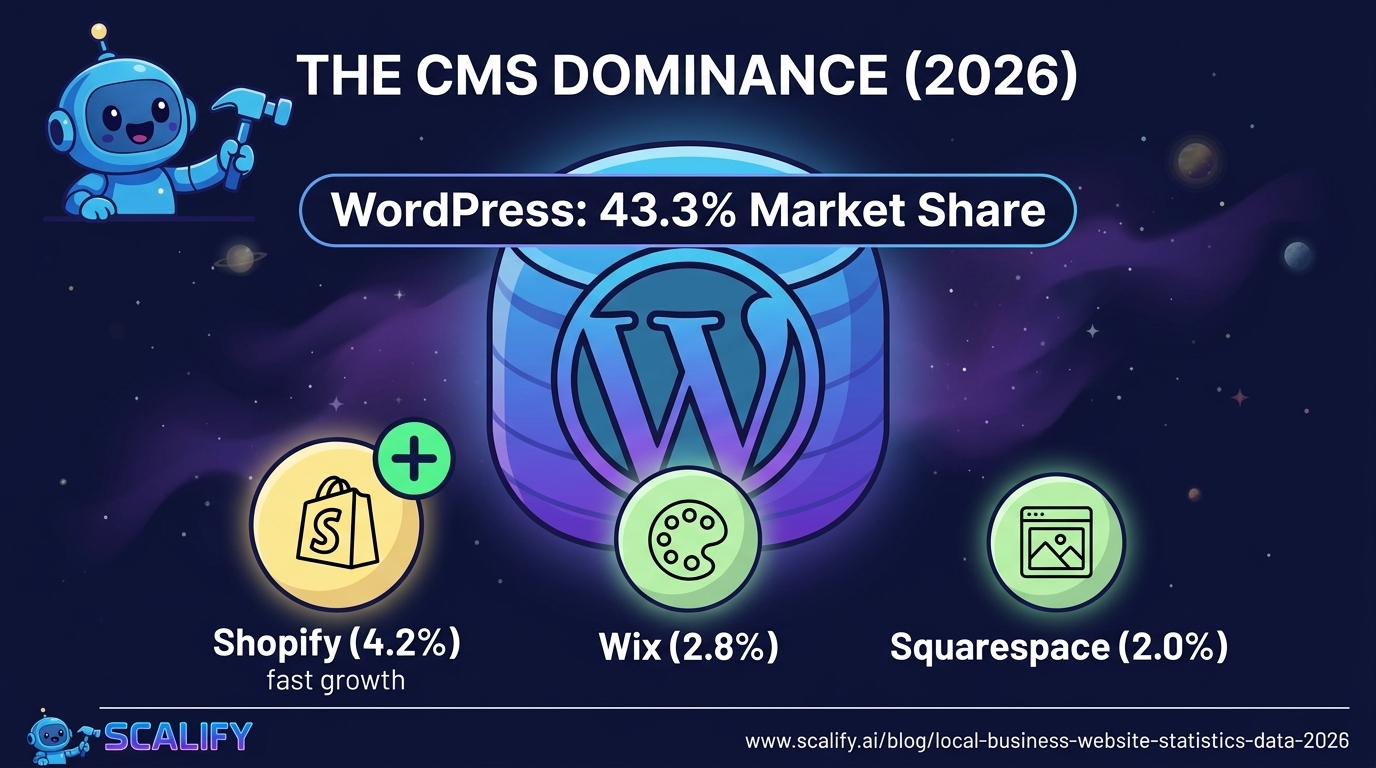
For non-WordPress platforms: the CMS vendor handles core security (Webflow, Shopify, Squarespace update their own infrastructure). But any third-party integrations, APIs, or custom code still require monitoring.
Security Monitoring and Malware Scanning
Beyond applying patches before known vulnerabilities are exploited, maintenance plans should include monitoring for successful exploits:
- Daily malware scanning (tools like Wordfence, Sucuri, iThemes Security for WordPress)
- File integrity monitoring (alerts when core files are modified unexpectedly)
- Login security monitoring (failed login attempts, unusual access patterns)
- SSL certificate monitoring (alerts before certificate expiry)
- Uptime monitoring (immediate alerts when the site goes down)
If malware is discovered: a maintenance plan should include cleanup. Malware removal is significantly more expensive as an emergency service than as part of an included maintenance plan.
Backups
A backup strategy that's actually tested is a core maintenance requirement. The backup plan should include:
- Frequency: daily backups minimum; hourly for e-commerce or high-traffic sites with frequent data changes
- Retention: minimum 30 days of backup history; 90 days is better
- Location: off-site backup storage (not just on the same server as the site — a server failure would take both the site and the backups)
- What's backed up: both files (theme, plugins, uploads) AND the database (posts, orders, user accounts)
- Testing: at least quarterly verification that backups can be successfully restored. Most backup failures are discovered when attempting recovery — testing reveals failures before they're critical.
Backup without tested restoration is not a backup strategy. It's an unfounded assumption.
Performance Monitoring
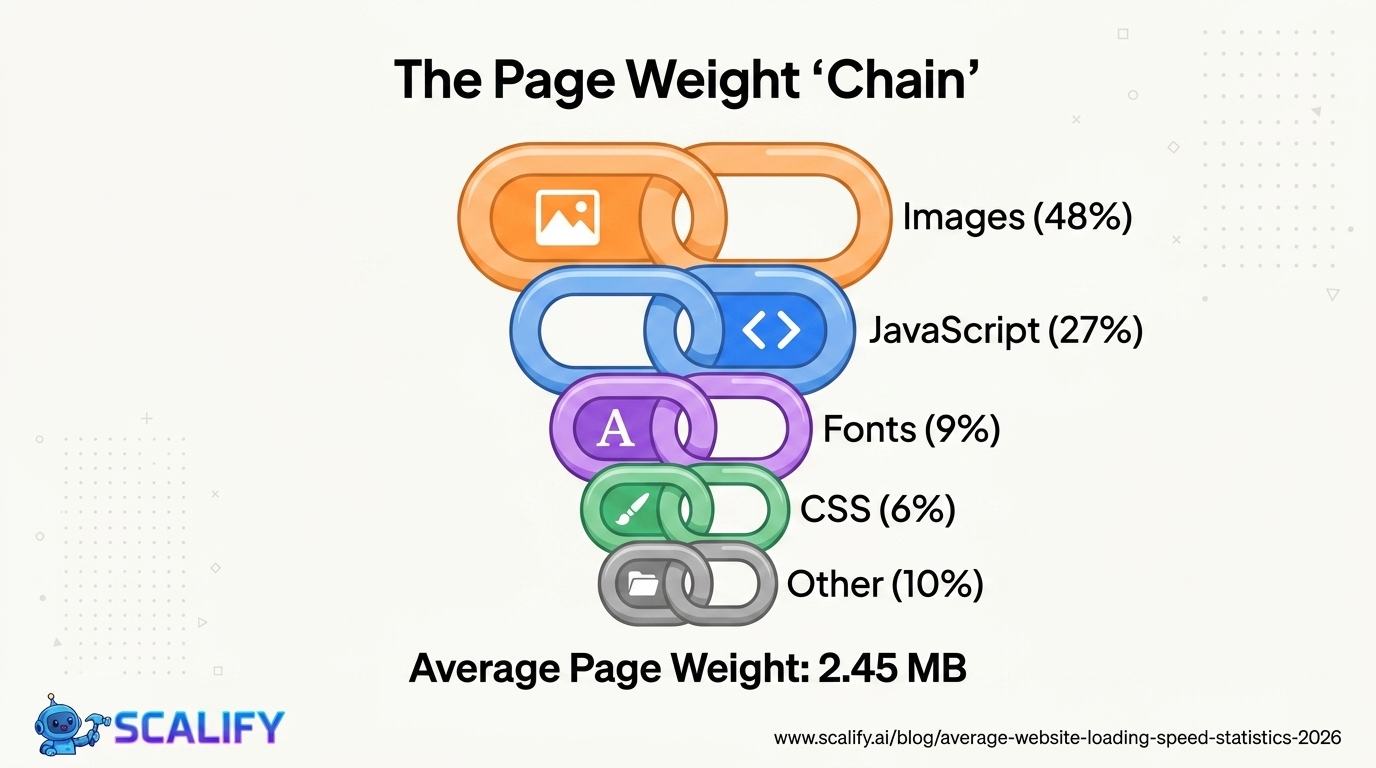
Performance degrades over time without active management. New plugins add JavaScript. Image uploads grow without optimization. Third-party scripts are added for new features. Database tables accumulate unused records. A maintenance plan should include regular performance checks:
- Monthly PageSpeed Insights check on key pages — flag if mobile score drops below threshold
- Core Web Vitals monitoring through Google Search Console — alert if any pages move to "Poor"
- Database optimization for WordPress (cleaning post revisions, spam comments, transients)
- Cache clearing and cache plugin maintenance
- Image optimization review — new uploads should be optimized before or upon upload
Uptime Monitoring
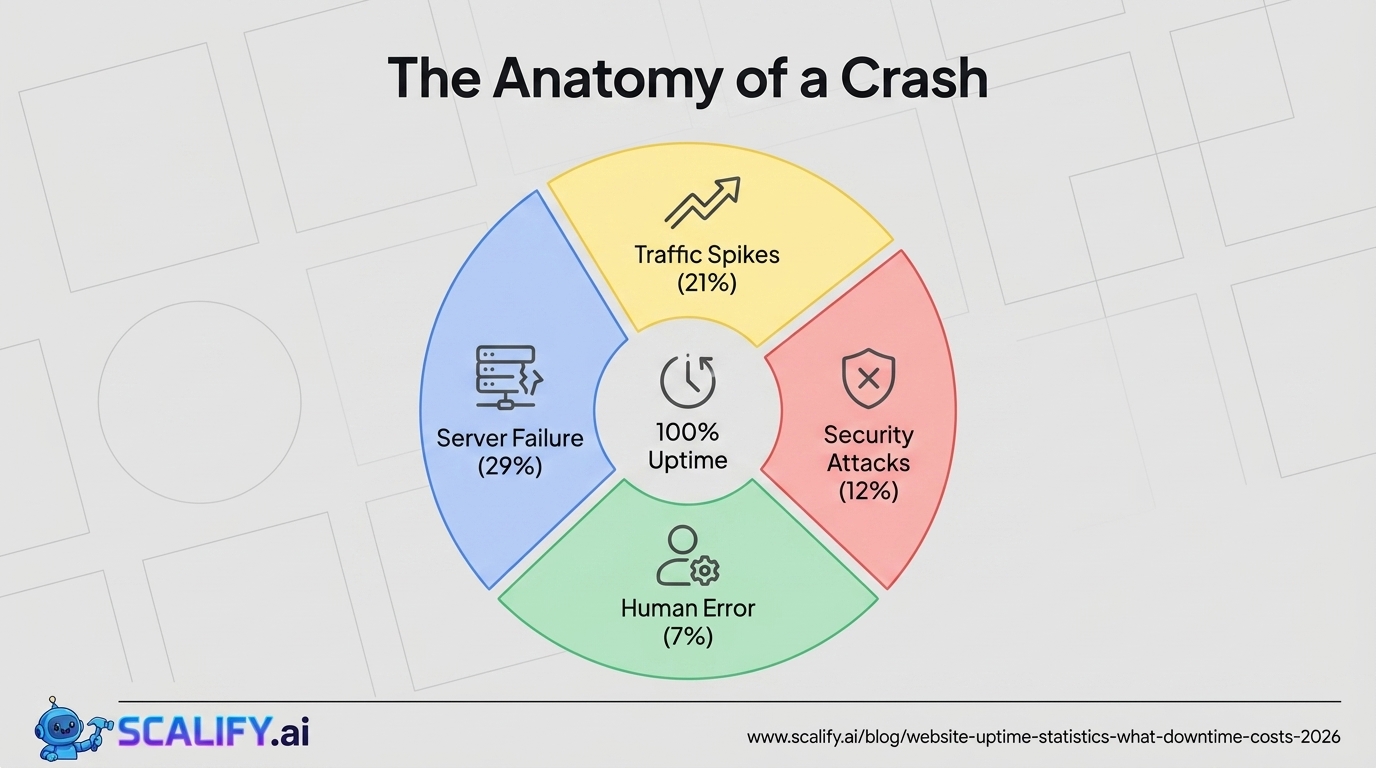
Your website going down during business hours is a direct revenue event — visitors can't convert, ads are wasting spend, and your reputation takes a hit if customers try to access a down site. Uptime monitoring checks your site every 1–5 minutes and immediately alerts when the site goes down.
Free tools (UptimeRobot provides free 5-minute interval monitoring for unlimited sites) handle this adequately for most businesses. Paid services (Better Uptime, Pingdom) provide more frequent checks, status pages, and team notification options. Either should be part of any maintenance plan.
Content Updates
Some maintenance plans include a defined amount of time for content updates — adding new pages, updating pricing, refreshing team pages, publishing blog posts. This is the "ongoing changes" component that keeps the website current.
What this covers depends on the plan and the business:
- Updating the team page when someone joins or leaves
- Updating service descriptions or pricing
- Adding new portfolio pieces or case studies
- Publishing blog posts (if the business maintains a content program)
- Seasonal content updates and promotions
- Updating news, press mentions, or recent project listings
Maintenance plans typically define a monthly hours allotment for content updates (2–5 hours is common for small business plans). Changes beyond the allotment are billed at an hourly rate.
Broken Link Monitoring
Links break over time — external links to other websites go dead, internal links become incorrect after URL changes, removed pages create dead internal links. A quarterly broken link audit identifies and fixes these issues before visitors and search engines encounter them.
Tools: Screaming Frog, Broken Link Checker (WordPress plugin), Ahrefs broken link reports. The fix is either updating the link to the correct destination, redirecting the old destination, or removing the link if the destination no longer exists.
SEO Health Monitoring
Maintenance plans for businesses with SEO goals should include monitoring for organic search performance changes:
- Monthly Google Search Console review — are impressions and clicks trending correctly?
- Core Web Vitals review — any pages moving to "Needs Improvement" or "Poor"?
- Crawl coverage check — any pages newly excluded from indexation?
- Alert setup for significant ranking drops (Ahrefs, Semrush, or Rank Tracker)
Catching a sudden drop in rankings within days rather than weeks allows faster diagnosis and remediation — the difference between a brief traffic dip and a prolonged organic traffic decline.
Analytics Verification
Broken analytics tracking is surprisingly common — tracking codes get removed during updates, conversion goals stop firing, new pages aren't tracked. Monthly verification that analytics is receiving data correctly and that conversion events are tracking ensures that business decisions are being made from accurate data, not broken tracking.
What a Website Maintenance Plan Costs
Maintenance plan pricing varies based on scope, website complexity, and provider. Typical ranges:
Basic maintenance (security updates, backups, monitoring) only: $50–$150/month. Usually includes security updates, automated backups, uptime monitoring, and perhaps malware scanning. No time allocation for content updates.
Standard maintenance with content updates: $150–$400/month. Includes basic maintenance plus 2–5 hours/month for content changes. Appropriate for most small business websites.
Comprehensive maintenance with SEO monitoring: $300–$800/month. Includes full security management, performance optimization, content updates, broken link monitoring, SEO health monitoring, and reporting. Appropriate for medium-size businesses where the website is a primary business asset.
E-commerce maintenance: $400–$1,500+/month. Higher cost due to more frequent backup requirements, payment processing security requirements, inventory management, and higher stakes for downtime.
Enterprise maintenance: Custom pricing. Multi-site management, advanced security, SLA guarantees, 24/7 support, and dedicated account management.
Self-Maintenance vs. Hiring a Professional
The decision depends on technical skill, available time, and the cost of failure:
Self-maintain when:
- You have genuine technical knowledge of your CMS and hosting
- You have consistent time to perform maintenance tasks (not just when you remember)
- Your website is relatively low-risk (not e-commerce, not a primary lead source)
- Downtime and security incidents would be inconvenient but not catastrophic
Hire a professional when:
- Your website generates significant revenue or leads — downtime has real cost
- You don't have the technical knowledge to safely manage security updates and hosting
- You consistently deprioritize maintenance when other work competes for your time
- A security incident would have serious consequences (data breach, customer trust damage, revenue loss)
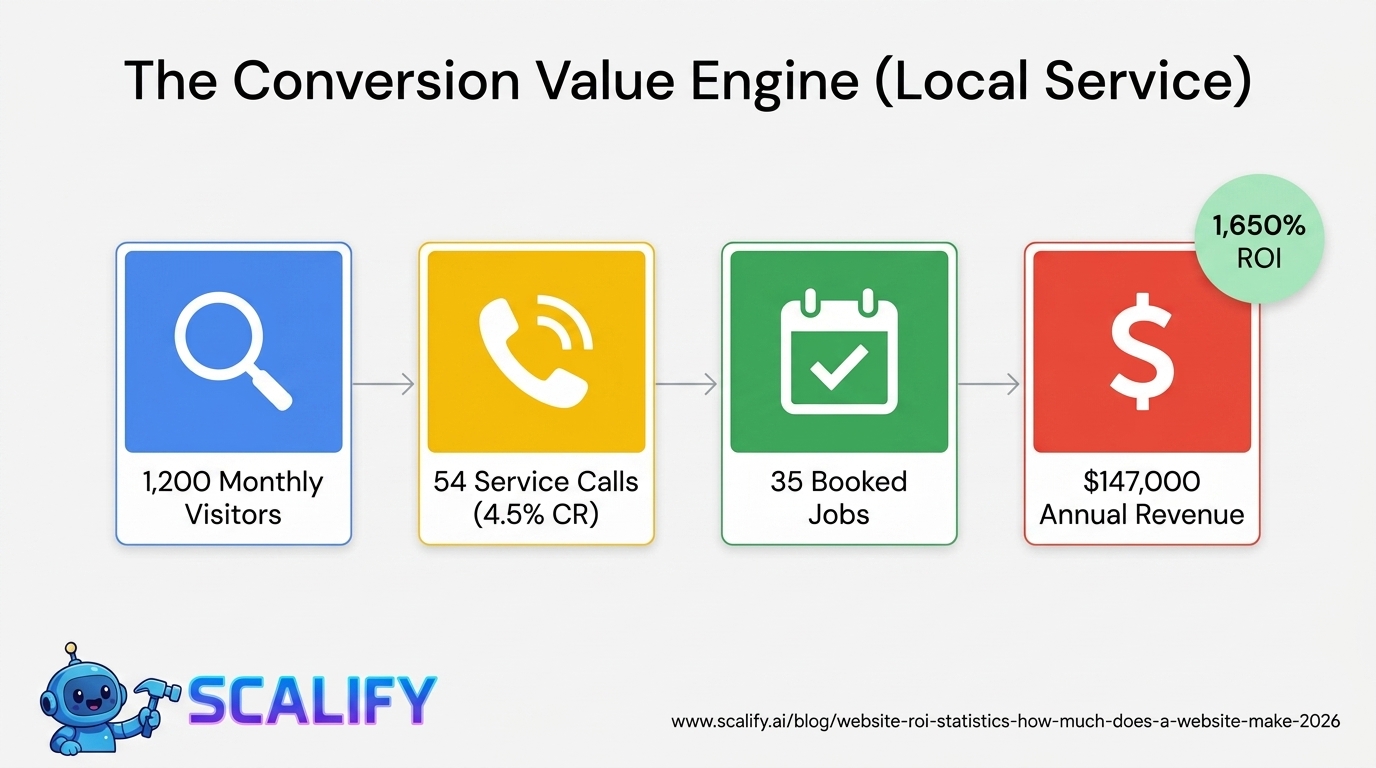
The math often favors professional maintenance: if your website generates 5 leads/month at a $3,000 average client value, each month of degraded performance from neglected maintenance potentially costs far more than a $200–300/month maintenance retainer.
Red Flags in Maintenance Agreements
No backup verification policy: Backups that aren't tested aren't reliable. A good maintenance provider tests backup restoration regularly.
No uptime SLA or monitoring: If a provider doesn't monitor uptime, they don't know when your site goes down unless you tell them.
Automatic plugin updates without testing: Blindly applying all plugin updates without testing on a staging environment can break functionality. Good maintenance providers test updates before applying to production.
No reporting: You should receive regular reports showing what maintenance was performed, what was found, and current site health status. Invisible maintenance is invisible value.
Unclear hour allotment policies: If the contract doesn't clearly define what's included in the monthly hours, what the overage rate is, and what tasks count against the allotment, disputes are inevitable.
The Bottom Line
A website maintenance plan is the ongoing investment that protects your initial website investment from the inevitable degradation that comes from software vulnerabilities, content staleness, and accumulated technical issues. The core components — security updates, backups with tested restoration, uptime monitoring, performance monitoring, and a content update allotment — apply to any business website.
The cost of proper maintenance is almost always less than the cost of recovering from a security incident, extended downtime, or performance degradation that's eroded organic traffic over months. Treat maintenance as business infrastructure investment, not optional upkeep.
At Scalify, we offer ongoing maintenance support for websites we build — ensuring the sites we deliver continue to perform, stay secure, and remain current without our clients having to manage the technical details themselves.
Key Takeaways and Next Steps
The principles and data in this guide reflect what actually works in professional web development and digital marketing in 2026 — not theoretical best practices but measured, documented outcomes from implementations at scale. The gap between knowing these principles and benefiting from them is always execution: the businesses that act on what they read, implement changes systematically, and measure the results consistently outperform those who consume information without converting it to action.
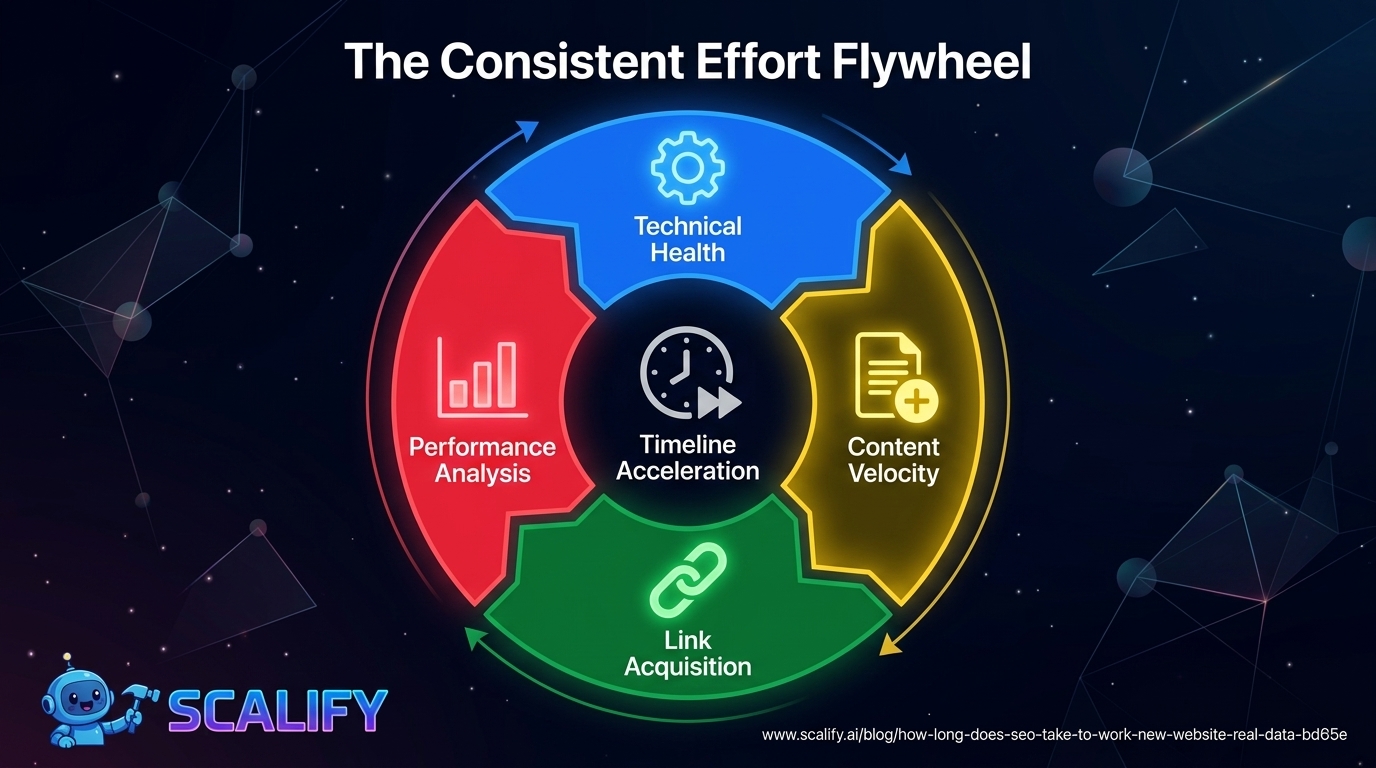
For any improvement described in this guide, the implementation sequence that produces the best outcomes: assess your current situation against the benchmarks provided, identify the 2–3 highest-impact improvements specific to your situation, implement them with measurement tracking in place, evaluate results after 30–60 days, and plan the next iteration based on what you learned. This cycle — assess, prioritize, implement, measure, iterate — is the operational foundation of continuous improvement that compounds into significant competitive advantage over the 12–24 month horizon.
The compounding returns from consistent web presence investment are not linear: a website that improves slightly each month accumulates to dramatic improvements over a year, and those improvements multiply with each other. Faster load times improve both search rankings and conversion rates simultaneously. Better content attracts backlinks that improve rankings that attract more traffic. More testimonials build trust that improves conversion rates that improve revenue that funds more investment. The interconnected nature of website performance means that each improvement amplifies the value of every other improvement — making the decision to invest consistently, across multiple dimensions simultaneously, the highest-ROI approach to digital marketing available to most businesses.
At Scalify, every website we build reflects these principles — technically optimized, conversion-focused, SEO-ready, and designed to compound in value over time as content, backlinks, and organic authority accumulate on the strong foundation we deliver in 10 business days.





.jpeg)

.jpeg)



78 SW 7th St, Miami, FL 33130