


What Is a Website Portfolio and How Do You Build One That Wins Clients?
By Josh Ternyak

March 29, 2026
Your portfolio is your most powerful sales tool as a designer or agency — but most portfolios are built wrong. This guide covers exactly what makes a portfolio win clients and how to build one that does the selling for you.
The Sales Tool That Works While You Sleep
Ask any freelance designer or web agency where their best clients come from. Overwhelmingly, the answer involves the portfolio. A prospect sees your work, either directly on your portfolio site or through a referral who says "check out their portfolio," and that work either earns the engagement or doesn't. Before a conversation happens. Before a proposal is written. Before a rate is mentioned.
Your portfolio is the highest-leverage sales asset you have, because it does active selling at zero marginal cost, 24 hours a day, to every prospect who encounters it. A portfolio that communicates your quality, your range, your process, and your results can close deals that your sales skills alone might not. A portfolio that's weak, confusing, or hard to navigate loses deals that your skills would have won.
This guide covers what makes a portfolio effective, how to select and present your work, the elements that go beyond pretty screenshots, and the common mistakes that make most portfolios less effective than they should be.
What a Portfolio Website Is
A portfolio website is a curated showcase of your best work — a collection of projects presented with context, results, and process that demonstrates your capabilities to potential clients. For web designers, developers, and agencies, it's the primary evaluation tool prospects use when deciding whether to hire you.
The word "curated" is important. A portfolio is not an archive of everything you've ever done. It's a carefully selected, thoughtfully presented collection of the work that best represents who you are, what you do best, and what clients can expect if they hire you. Quality and relevance matter far more than quantity.
A portfolio serves multiple functions simultaneously:
- Capability demonstration: Proves you can do the type of work clients need
- Style communication: Shows prospects what your design sensibility looks like in practice
- Trust building: Evidence that real clients have hired you and gotten results
- Process illustration: Shows how you think and work, not just what you produce
- Qualification filter: Helps prospects self-select whether you're the right fit
The Two Fatal Portfolio Mistakes
Before covering what to do, two mistakes that undermine almost every portfolio:
Mistake 1: Showing Everything
The instinct when building a portfolio is to include as much work as possible — to show breadth, to demonstrate productivity, to avoid leaving anything valuable out. This instinct is wrong.
A portfolio with 30 mediocre projects alongside 5 excellent ones is weaker than a portfolio with only those 5 excellent ones. The mediocre projects dilute the impression of the excellent ones. Prospects judge your ability by what they see — if you show work you're not fully proud of, you're actively asking them to evaluate you at your worst.
Show only your best work. If that's 3 projects, show 3. A strong portfolio of 4–8 carefully selected projects consistently outperforms a sprawling portfolio of 20+.
Mistake 2: Screenshots Without Context
The most common portfolio format: screenshots of finished websites with a brief caption. This format answers one question (does it look good?) while leaving unanswered every question that actually matters to a buying prospect:
- What was the client trying to accomplish?
- What was the challenge that made this project interesting or difficult?
- Why did you make the design decisions you made?
- What results did the client achieve?
- What was the client's experience of working with you?
Screenshots answer an aesthetic question. Portfolio case studies answer the business questions. Clients hire based on the answers to the business questions.
The Elements of a Portfolio That Wins
Targeted Positioning
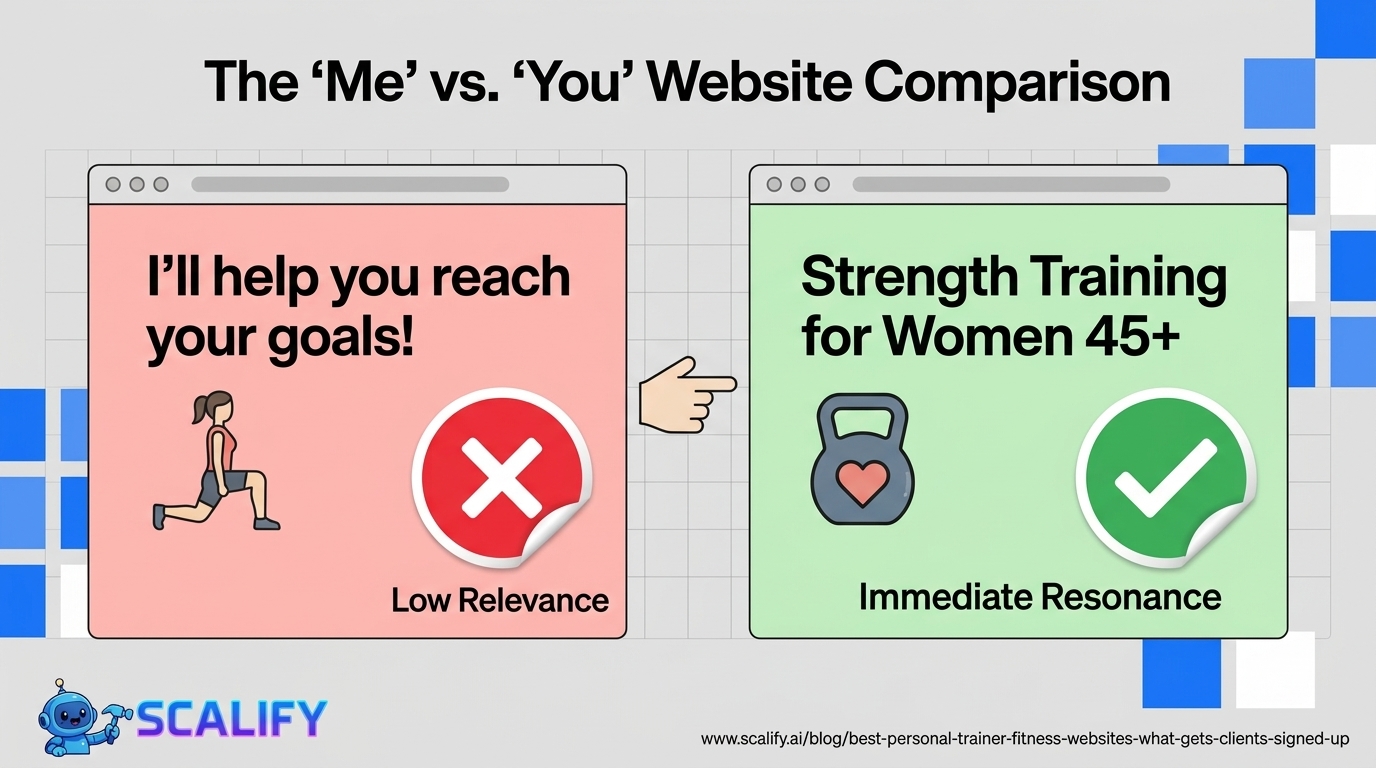
The most effective portfolios are positioned for a specific type of client or project rather than showcasing everything. A portfolio that says "I design websites for healthcare providers" or "we build e-commerce sites for premium consumer brands" or "our specialty is fast-loading, high-converting service business websites" is far more compelling to the right prospect than a generalist portfolio.
This positioning feels limiting but is actually liberating: it makes your portfolio immediately relevant to the ideal clients you most want to attract, and it commands higher rates because specialists are valued more than generalists. The clients you turn away by being specific are the clients you didn't want anyway.
Your homepage headline and the framing of each project should communicate your positioning consistently. What type of clients do you serve? What outcomes do you produce? What makes your approach distinctive?
Case Studies, Not Screenshots
Each project in your portfolio should be a case study, not a gallery of screenshots. The structure that consistently works:
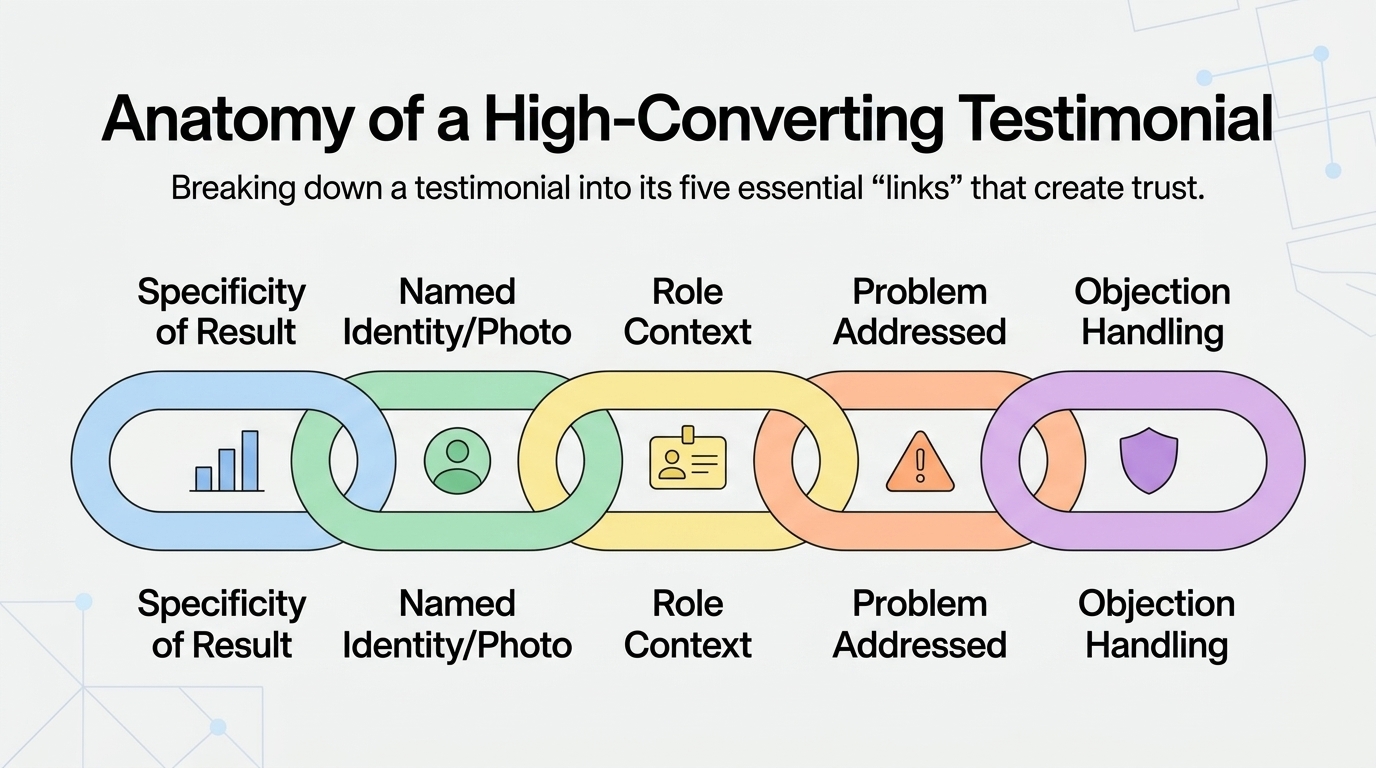
The Client and Challenge: Who was the client? What business problem were they facing? What was their situation before the project? This sets context and helps prospects with similar challenges immediately identify with the project.
Your Approach: What did you decide to do and why? What design decisions were made consciously to solve the specific problem? What made this project technically or creatively challenging? This section demonstrates thinking, not just execution ability.
The Result: What did you build? Show it with high-quality imagery — multiple screenshots, detailed views, mobile versions. Let the work speak in its full context rather than as a single thumbnail.
The Outcome: What happened after the site launched? Did traffic increase? Did conversion rate improve? Did the client win an industry award, close a significant deal, or accomplish a specific business goal that the website contributed to? Results-focused outcomes are the most persuasive content in any portfolio case study.
The Client's Voice: A testimonial or quote from the client, specifically about this project, adds third-party validation to your narrative. A client saying "the new site generated more leads in its first month than our old site did all year" is more persuasive than anything you write about yourself.
Real Live Sites
Link to the actual live websites you've built, not just static screenshots. Prospects should be able to experience the real site — to feel how fast it loads, to see how well it works on mobile, to navigate the actual product you delivered. Live sites demonstrate technical execution in ways screenshots can't.
The caveat: live sites change. Clients update content, change designs, and sometimes destroy the quality of what you built. Check your portfolio links regularly and update or remove projects where the live site has diverged significantly from what you delivered.
Your Process
A dedicated process page or process section within case studies demonstrates that your quality is systematic, not accidental. Prospects who understand your process have more confidence that working with you will produce results reliably, not just occasionally.
Describe the stages of your engagement: discovery and strategy, design, development, quality assurance, launch, and post-launch support. Be specific about what happens at each stage, what you need from the client, and what outputs they receive. This demystifies working with you and reduces the friction of starting a conversation.
About You (The Real Story)
Your about page is where prospects evaluate whether they want to work with you as a person, not just whether you can do the work. The most effective about pages are honest, specific, and human — they tell a real story rather than a resume summary.
What actually works: why you do this work (your genuine motivation), what you specifically value about the work (not just "I love design"), what you bring that's genuinely distinctive (expertise, experience, specialization), and who you enjoy working with (your ideal client, described specifically enough that they recognize themselves).
Include a real photo. Faces build connection and credibility that no amount of copy achieves. Team photos for agencies. Individual photo for freelancers. Real people, real settings — not stock photography or overly formal headshots.
Clear Next Steps
Every portfolio page should make it easy for an interested prospect to take the next step. What should someone who's impressed by your work do? A clear CTA — "Get in Touch," "Start a Project," "Schedule a Free Consultation" — with a simple contact form or booking link reduces the friction between "I'm interested" and "I've reached out."
Include the specific type of information a prospect should share when contacting you. "Tell me a bit about your project: what type of site you need, your timeline, and your approximate budget" in the contact form prompts useful information that makes initial conversations more productive.
Selecting Projects for Your Portfolio
Selection criteria for what to include:
Your best work, not your most work: The projects where the design is strongest, the execution is cleanest, and you're most proud of the outcome.
Work that represents what you want to attract: If you want to build e-commerce sites, show e-commerce sites. If you want to work with professional services firms, show professional services work. Your portfolio attracts the type of work it shows.
Work with measurable outcomes: Projects where you know the results — more conversions, better performance metrics, specific business outcomes — make stronger case studies than projects where you don't know what happened after launch.
Work with happy clients:** Projects where the client relationship went well and you have permission to use their brand and potentially their quote. Avoid including work where the client relationship was difficult or contentious — the story will be harder to tell honestly.
Recent work: Prioritize recent projects over old ones. Design sensibility and technical capabilities evolve; work from five years ago may no longer represent your current quality level.
Portfolio Design: What It Needs to Communicate
The design of your portfolio is itself a portfolio piece. How your portfolio looks communicates your aesthetic sensibility, your technical capabilities, and your attention to detail as directly as the projects within it. A portfolio with outdated design, slow load times, or mobile display issues undermines confidence in your ability to deliver those qualities in client work.
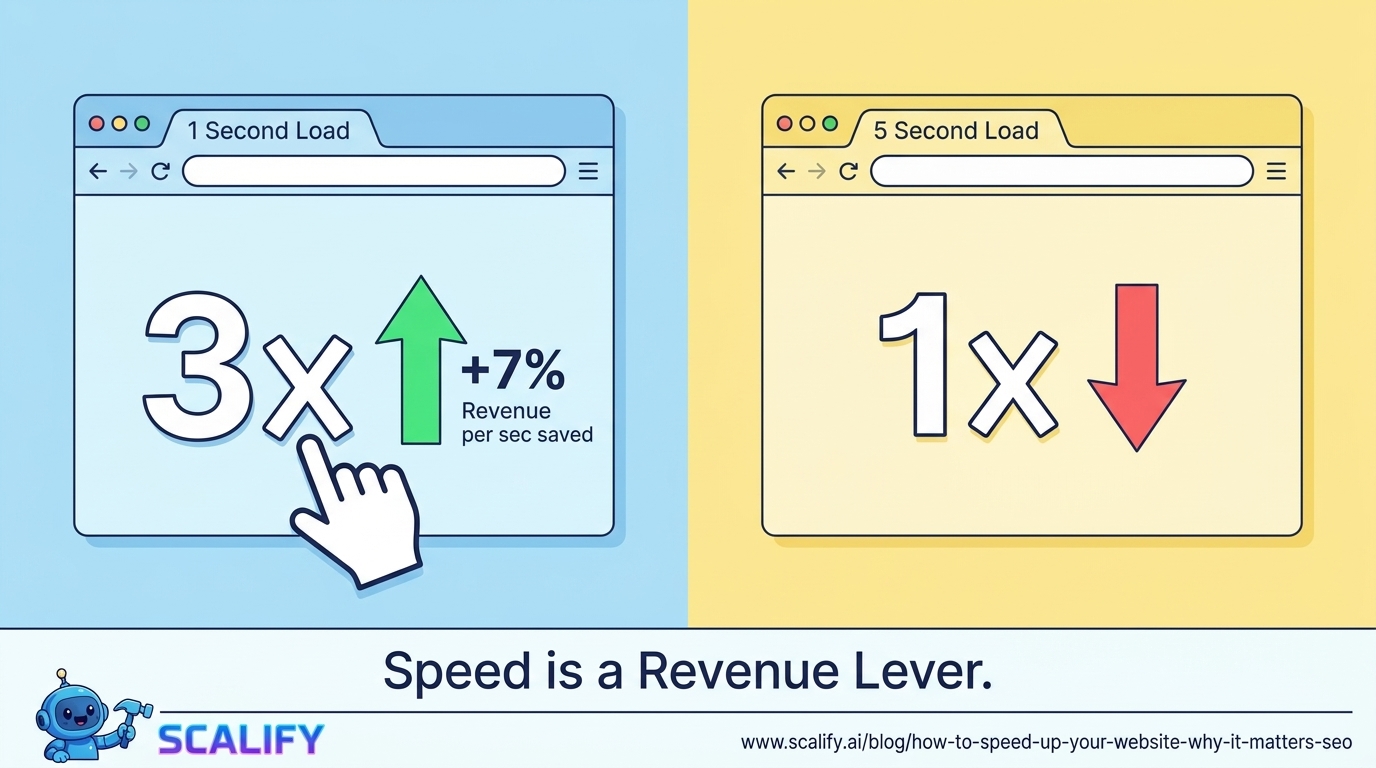
Performance is non-negotiable: If you're positioning yourself as someone who builds fast, high-quality websites, your portfolio must be fast. A portfolio that takes 4 seconds to load while you're claiming to optimize for Core Web Vitals is an immediate credibility problem.
Mobile is paramount: Many prospects browse portfolios on mobile. A portfolio that's gorgeous on desktop and mediocre on mobile suggests you apply the same inconsistency to client work.
Navigation should be obvious: Prospects typically want to see work, learn about process, read about you, and contact you. These sections should be immediately accessible from every page without hunting.
Visual quality of project presentation: The screenshots, videos, and imagery used to present your work should be high quality. Device mockups (showing your work on a laptop, phone, or tablet) are more engaging than flat screenshots. High-resolution images that load quickly convey quality better than compressed, pixelated screenshots.
What to Do When You're Starting Out
The circular challenge of portfolio building: you need a portfolio to get clients, but you need clients to build a portfolio. Several ways to break this cycle:
Spec work and passion projects: Design and build sites for fictional or concept clients that represent the type of work you want to attract. Clearly labeled as concept work, not fabricated client testimonials. A beautiful spec design for a fictional restaurant or boutique hotel demonstrates capability even without a real client behind it.
Pro bono and reduced-rate work: Offer your services at significantly reduced rates (or free) to nonprofits, local businesses, or friends with businesses, in exchange for full creative control and permission to feature the work prominently in your portfolio. One strong, real-client project is worth several spec projects.
Rebuild existing sites: Take a real website that has poor design and rebuild it as a redesign concept. Show the before and after, explain the design decisions, demonstrate the improvement. This provides real-world context even without a client engagement behind it.
Start small and upgrade: Take on smaller, accessible projects first — local businesses, startup landing pages, personal sites — and use them to build your portfolio while you develop your skills and rates. Upgrade your portfolio as better work comes in, progressively replacing early work with stronger pieces.
Portfolio Platforms
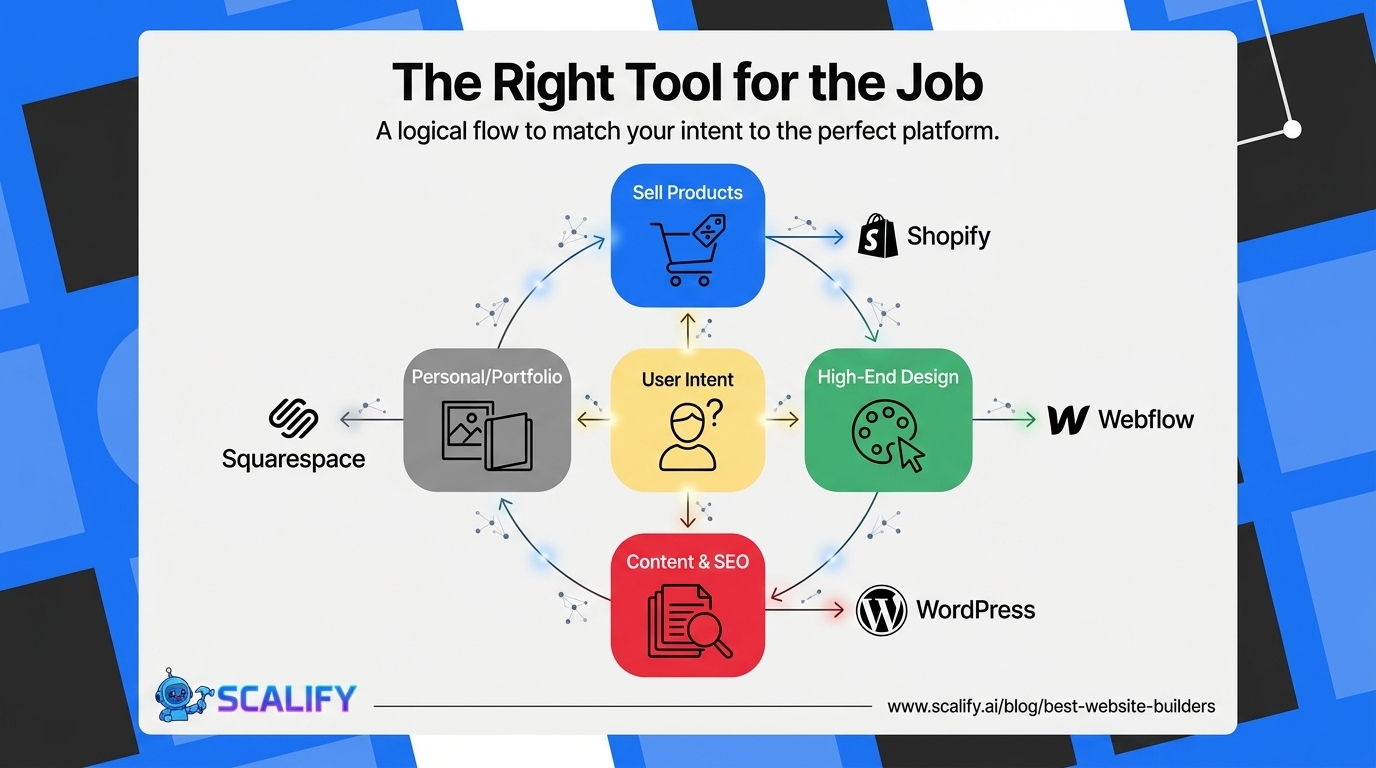
Custom-built portfolio site: The ideal for designers — demonstrates that you can build as well as design. Built in Webflow, coded custom, or on another professional platform. Full control over design and functionality. The extra effort of building your own portfolio on your own platform is itself a credibility signal.
Webflow: The most common choice for professional web designers building portfolio sites. Full design control, clean code output, fast hosting, good SEO. Many designers use their own Webflow portfolio as a demonstration of their Webflow capabilities.
Squarespace: Good templates for portfolio sites, easier to set up than Webflow, limited design flexibility. More appropriate for early-career designers or those who prioritize setup speed over design control.
Behance and Dribbble: Platform-based portfolios that expose your work to the platform's audience of designers and potential clients. Good for discoverability within the design community. Supplement rather than replace your own portfolio domain.
The Bottom Line
Your portfolio is your most valuable sales asset — it sells your capabilities to prospects at every hour of every day without requiring your active participation. Building it right means being ruthlessly selective about what to include, presenting each project as a case study rather than a screenshot gallery, positioning specifically for the clients you most want to attract, and designing the portfolio itself as a demonstration of your capabilities.
Invest time in building it properly. Review and update it quarterly. Add new strong work and remove old weak work continuously. The compounding investment in a strong portfolio returns in better clients, higher rates, and shorter sales cycles for as long as you work in the field.
If you're building a portfolio site or client website and need professional quality fast, Scalify delivers custom professional websites in 10 business days — the kind of quality work that belongs in a strong portfolio from the moment it launches.


.jpeg)
.jpeg)



78 SW 7th St, Miami, FL 33130