


What Is a Website Thank You Page and Why Does It Matter?
By Josh Ternyak

April 1, 2026
Comprehensive 2026 guide: What Is a Website Thank You Page and Why Does It Matter?
The Most Neglected High-Converting Page on Any Website
Someone just submitted your contact form, completed your checkout, or subscribed to your email list. They've taken the action you've been designing your entire website to prompt. And now what?
For most websites: a brief confirmation message or a generic "Thank You" page with no design, no next steps, no relationship-building, and no opportunity to continue the conversation.
This is a massive missed opportunity. The visitor who has just converted is the highest-engagement, highest-trust visitor your website sees. They've demonstrated the willingness to act. They're in a moment of positive commitment. The relationship they're forming with your business is at its newest and most open point. And you're showing them a blank page with "Thanks! We'll be in touch."
A well-designed thank you page transforms this moment into: a relationship-deepening interaction, a continuation of engagement, a measurement opportunity, and often, a path to additional conversion. This guide covers every element of a thank you page that actually works.
What a Thank You Page Is
A thank you page (also called a confirmation page or success page) is a standalone page displayed after a visitor completes a significant action on your website — form submission, product purchase, email subscription, content download, appointment booking.
Its basic job is to confirm that the action was received. Its full potential is far broader: to set expectations, build trust, deepen engagement, and guide the newly-converted visitor toward the next valuable interaction with your business.
Thank you pages are different from in-form confirmation messages ("Your message has been sent" displayed within the form). A dedicated page provides a distinct URL — which enables:
- Conversion tracking in Google Analytics (visits to the thank you page = confirmed conversions)
- Ad platform pixel firing for conversion attribution (Facebook, Google Ads)
- A full-page experience rather than a brief in-form message
- Space to provide meaningful next steps and content
The Elements of a Thank You Page That Works
Clear Confirmation of the Action
Lead with explicit confirmation that the action was successful. This is the most basic function and the most anxiety-reducing element for people who aren't sure their form submission went through or their order was processed.
Be specific about what happened: "Your request is submitted ✓" beats "Thank you!" "Your order #4521 has been placed and you'll receive a confirmation email within minutes" beats a generic message that doesn't confirm the specifics.
Expectation Setting
The second most anxiety-reducing element: tell visitors exactly what happens next and when. The questions people are asking after submitting a form or completing a purchase:
- When will I hear back? (form submission)
- What will that first response look like? (form submission)
- When will my order ship? (e-commerce purchase)
- Where's my confirmation email? (any conversion)
- What do I do next? (any conversion)
Answering these questions eliminates the anxiety that leads to follow-up emails, duplicate form submissions, and abandoned purchases waiting for confirmation. "We'll review your project details and email you within 1 business day with initial thoughts and a time to talk" is a specific, trustworthy expectation.
Social Proof That Validates the Decision
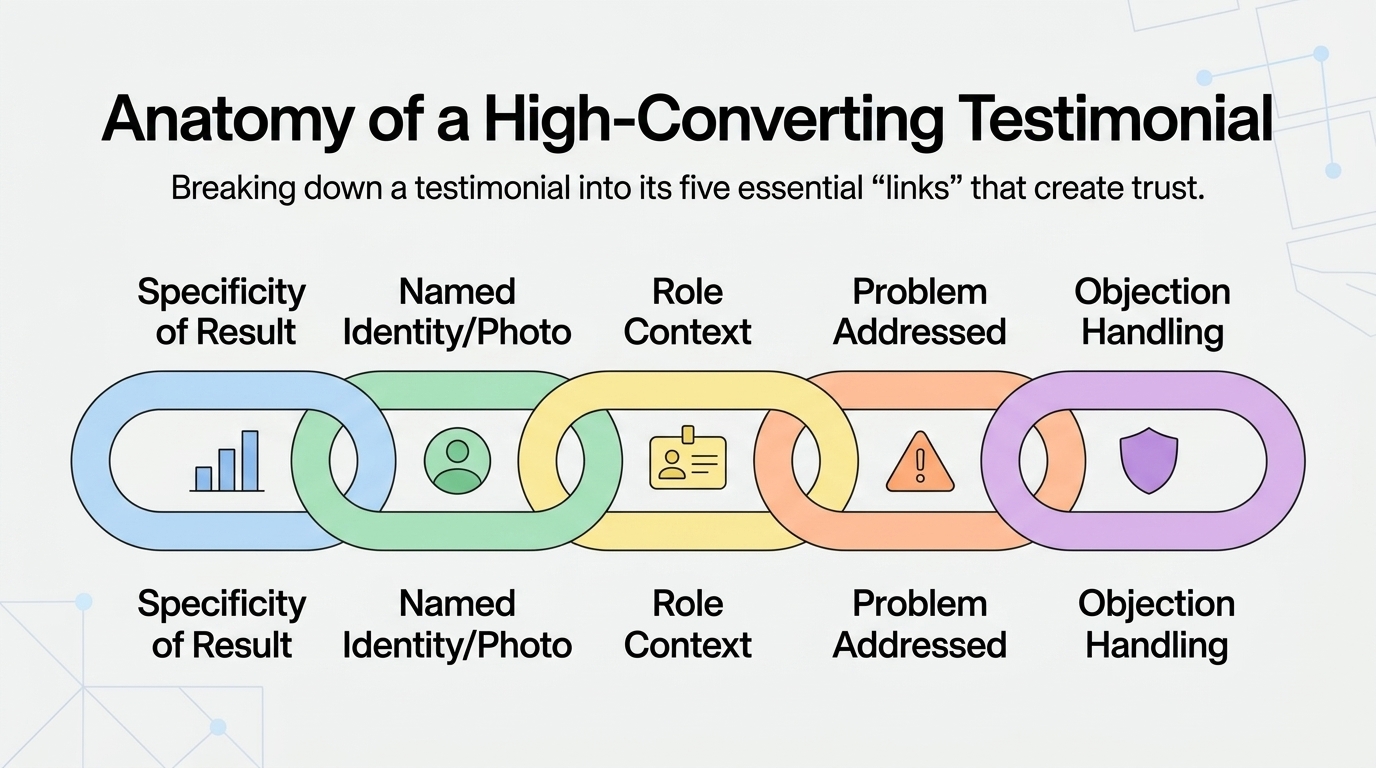
The moments immediately after conversion can trigger buyer's remorse — the second-guessing that makes people reconsider. A testimonial or social proof element on the thank you page validates the decision they just made before doubt has time to solidify.
"Join 500+ businesses that have worked with Scalify" or a brief testimonial from a satisfied client who was in the same position as the person who just converted ("I was skeptical about the timeline but the team delivered in 8 days and the site is exactly what we needed") reinforces the decision at the most vulnerable moment.
A Meaningful Next Step
The most common thank you page failure: ending the conversation entirely. The visitor converts, sees the confirmation, and the page offers nothing else. They leave. The engagement is over.
A thank you page that continues the engagement provides a next step that:
- Deepens the relationship ("While you wait for our response, here's a guide to prepare for our conversation")
- Provides immediate value ("Download our website launch checklist")
- Invites social connection ("Follow us on LinkedIn for web design tips")
- Answers a question they're likely to have ("Here's what our process looks like — step by step")
- Presents an additional offer ("Since you're building a new website, you might also be interested in our SEO setup add-on")
The right next step depends on the context: a contact form submission thank you page serves a different purpose than a product purchase thank you page. Match the next step to the conversion context.
Links to Valuable Content
For content-driven businesses: linking to 2–3 pieces of highly relevant content on the thank you page extends the visitor's engagement with your expertise. Someone who just subscribed to your email list because they read an article about website speed optimization might be interested in related articles about Core Web Vitals, hosting performance, or image optimization.
These content links serve dual purposes: they provide immediate value to the new subscriber or lead, and they reduce bounce rate on the thank you page by giving visitors somewhere meaningful to go next.
Share Functionality
For content downloads and lead magnets: a social share option or "share with a colleague" prompt can generate additional referral traffic. Someone who just downloaded a valuable guide might share it with others in their network who have the same need — turning one conversion into multiple.
This works best when the content is genuinely valuable enough to be worth sharing. A share prompt for a mediocre lead magnet is ignored; a share prompt for genuinely excellent content generates referral traffic.
Thank You Pages by Conversion Type
Contact Form Thank You Page
This is the highest-stakes thank you page for service businesses — the person who just submitted has expressed intent to become a client. The elements that matter most:
Expectation setting about response time (be specific and then honor the promise). A brief overview of what the initial engagement looks like (sets expectations, reduces anxiety, begins relationship). A case study or testimonial relevant to their type of project (validates the decision). Your phone number or other contact method for urgent needs (shows accessibility). A piece of content that's useful during the waiting period (deepens engagement).
E-Commerce Purchase Thank You Page
The purchase confirmation page has some of the highest visit rates of any page on an e-commerce site. Elements that work:
Order confirmation details (order number, items purchased, expected shipping date — all the specifics that prevent "did my order go through?" inquiries). Shipping and tracking information setup. Cross-sell or upsell offers directly relevant to the purchase ("You just bought X — customers who bought X also love Y"). Email/SMS opt-in for shipping updates and future promotions. Review request timing (many e-commerce brands ask for a review immediately, which is too soon — better to trigger a review request email 2–3 weeks post-delivery).
Email Subscription Thank You Page
For businesses using email marketing, the new subscriber thank you page is the first impression of the email relationship. Elements:
Confirmation of what they'll receive and how often (expectations, spam anxiety reduction). The promised lead magnet or next step if one was offered. Welcome content that immediately delivers value and builds anticipation for the email series to follow. Social proof that others like them are in the list ("Join 3,200 business owners who get our weekly web design insights").
Content Download Thank You Page
The download confirmation page should deliver the download immediately (clear, prominent download button or auto-download) while extending engagement with related content, an invitation to explore more of the site, or a soft next offer relevant to someone who just downloaded this specific content.
Measuring Thank You Page Performance
The thank you page is your primary conversion tracking URL. Google Analytics should have a goal or conversion event configured for visits to this page — it's the most direct measure of how many people are completing your conversion actions.
Beyond raw conversion counting, track:
Bounce rate: High bounce rate on the thank you page is expected (many visitors confirm and leave) but the next-step content should reduce it for engaged visitors. Track bounce rate over time to see if content improvements are keeping visitors engaged.
Next-step click rate: If you've added next-step content, CTAs, or links to the thank you page, track click rates on these elements. Low click rates on valuable content suggests the content isn't resonating or isn't visible enough.
Time on page: Longer average time indicates visitors are reading the content you've added. Very short average times (under 10 seconds) suggest visitors are bouncing immediately after seeing the confirmation.
Technical Considerations
Noindex the Thank You Page
Thank you pages should be set to noindex (meta robots: noindex) to prevent them from appearing in Google search results. A "Contact Form Submitted - Thank You!" page appearing in Google results serves no purpose and may confuse searchers who click it expecting a contact form to submit.
Prevent Direct Access
Some businesses configure thank you pages to only be accessible via redirect from the form — preventing people from navigating directly to the thank you page URL. This keeps conversion tracking accurate (a visit to the thank you page always means a conversion happened, not someone manually navigating to it) and prevents anyone from accessing the page without actually completing the conversion action.
Mobile Design
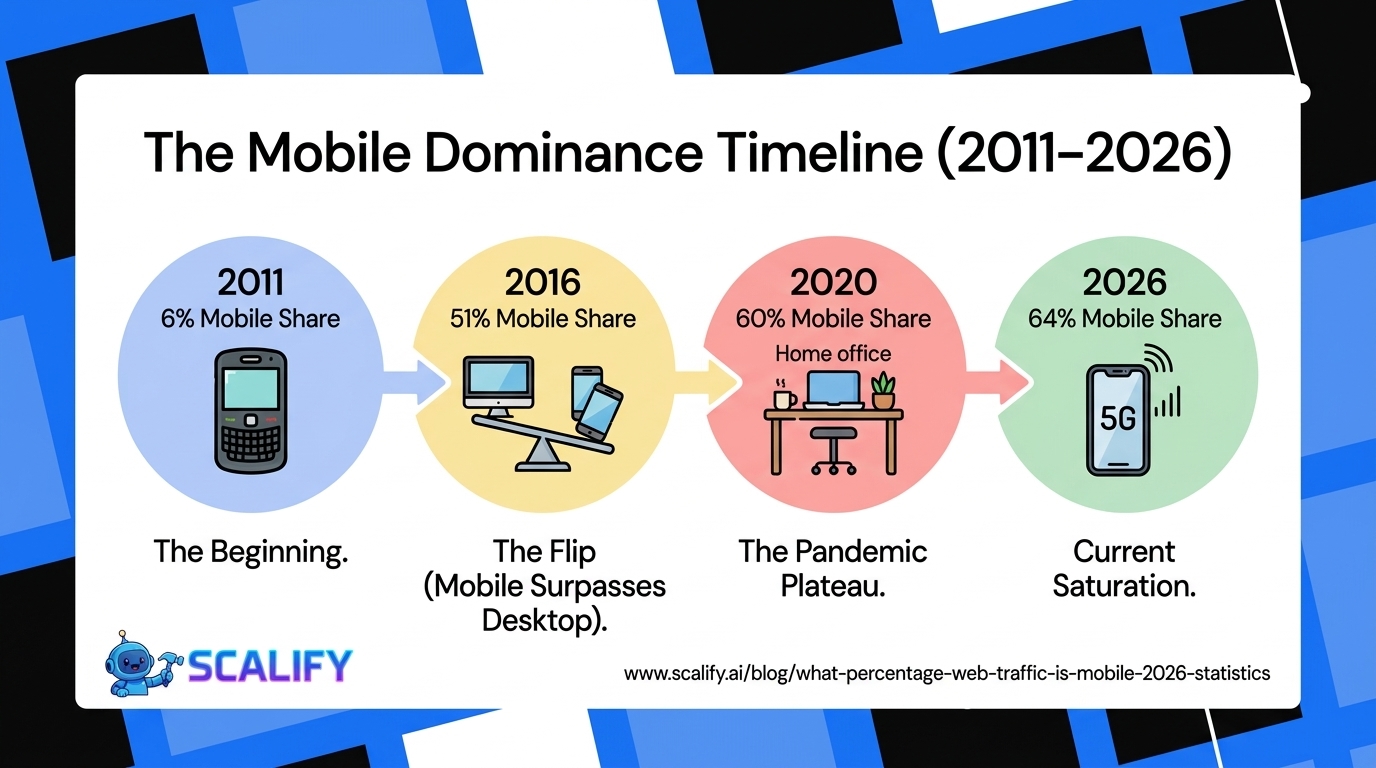
Thank you pages are often overlooked in mobile testing because they're "just confirmation pages." But mobile visitors submit forms, complete purchases, and subscribe to email lists — they see your thank you pages too. Test that the confirmation message is clear, the next steps are tap-accessible, and any download buttons or content links work correctly on mobile.
The Bottom Line
The thank you page is visited exclusively by your most engaged visitors — people who've just proven their interest by taking action. Treating it as a generic confirmation dump wastes the highest-quality audience moment your website creates.
A thank you page that works: confirms the action specifically, sets clear expectations for next steps, validates the decision with social proof, provides a meaningful next step that deepens the relationship, and tracks conversions accurately for marketing measurement.
At Scalify, thank you pages are part of every conversion architecture we design — because what happens after the first conversion determines whether it leads to a lasting relationship or a one-time interaction.
Key Takeaways and Next Steps
The principles and data in this guide reflect what actually works in professional web development and digital marketing in 2026 — not theoretical best practices but measured, documented outcomes from implementations at scale. The gap between knowing these principles and benefiting from them is always execution: the businesses that act on what they read, implement changes systematically, and measure the results consistently outperform those who consume information without converting it to action.
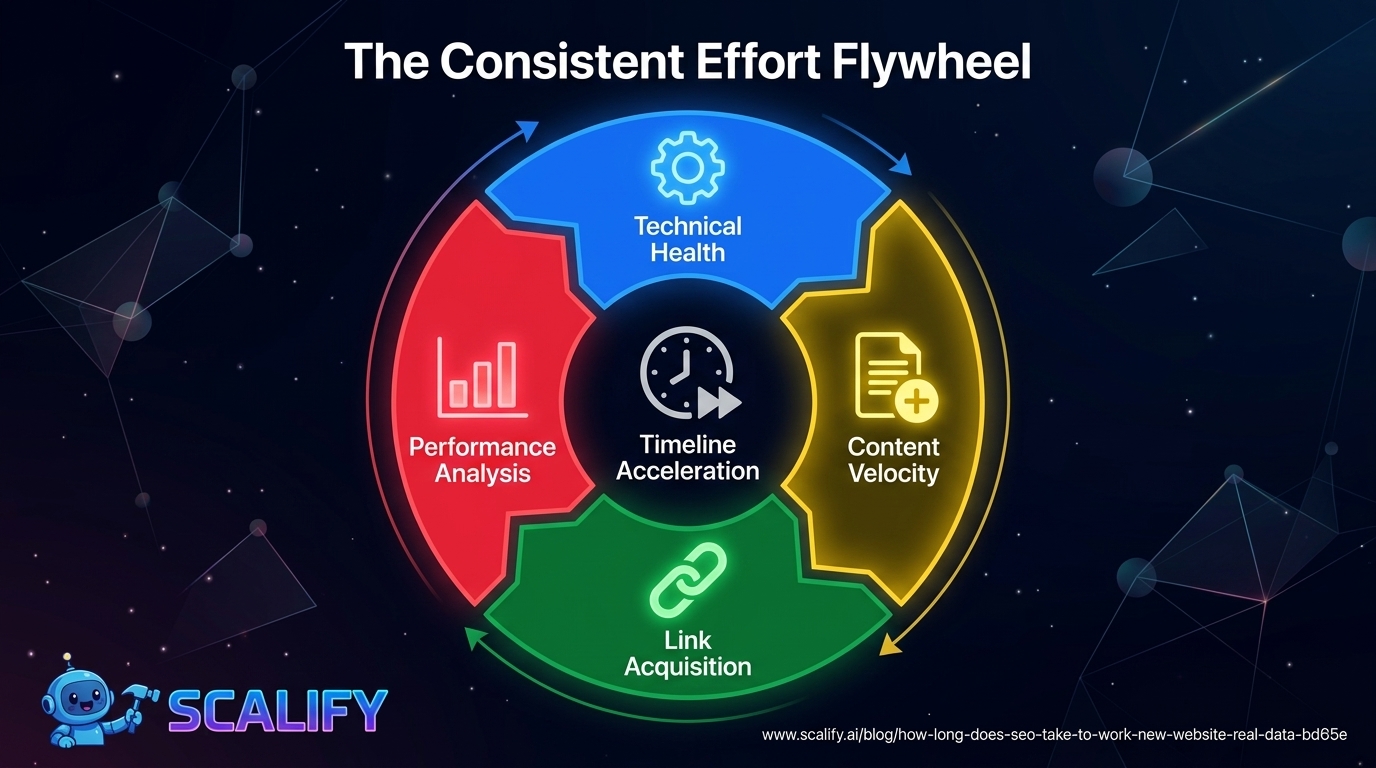
For any improvement described in this guide, the implementation sequence that produces the best outcomes: assess your current situation against the benchmarks provided, identify the 2–3 highest-impact improvements specific to your situation, implement them with measurement tracking in place, evaluate results after 30–60 days, and plan the next iteration based on what you learned. This cycle — assess, prioritize, implement, measure, iterate — is the operational foundation of continuous improvement that compounds into significant competitive advantage over the 12–24 month horizon.
The compounding returns from consistent web presence investment are not linear: a website that improves slightly each month accumulates to dramatic improvements over a year, and those improvements multiply with each other. Faster load times improve both search rankings and conversion rates simultaneously. Better content attracts backlinks that improve rankings that attract more traffic. More testimonials build trust that improves conversion rates that improve revenue that funds more investment. The interconnected nature of website performance means that each improvement amplifies the value of every other improvement — making the decision to invest consistently, across multiple dimensions simultaneously, the highest-ROI approach to digital marketing available to most businesses.
At Scalify, every website we build reflects these principles — technically optimized, conversion-focused, SEO-ready, and designed to compound in value over time as content, backlinks, and organic authority accumulate on the strong foundation we deliver in 10 business days.


.jpeg)
.jpeg)

78 SW 7th St, Miami, FL 33130